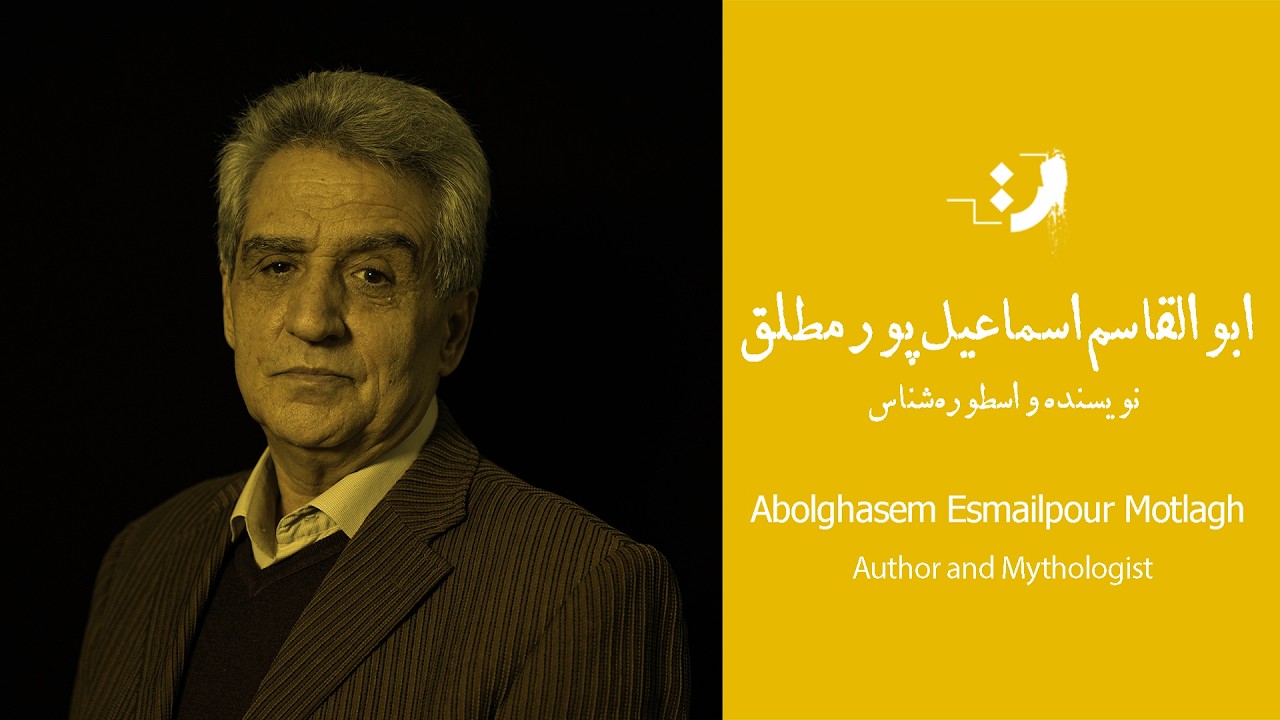
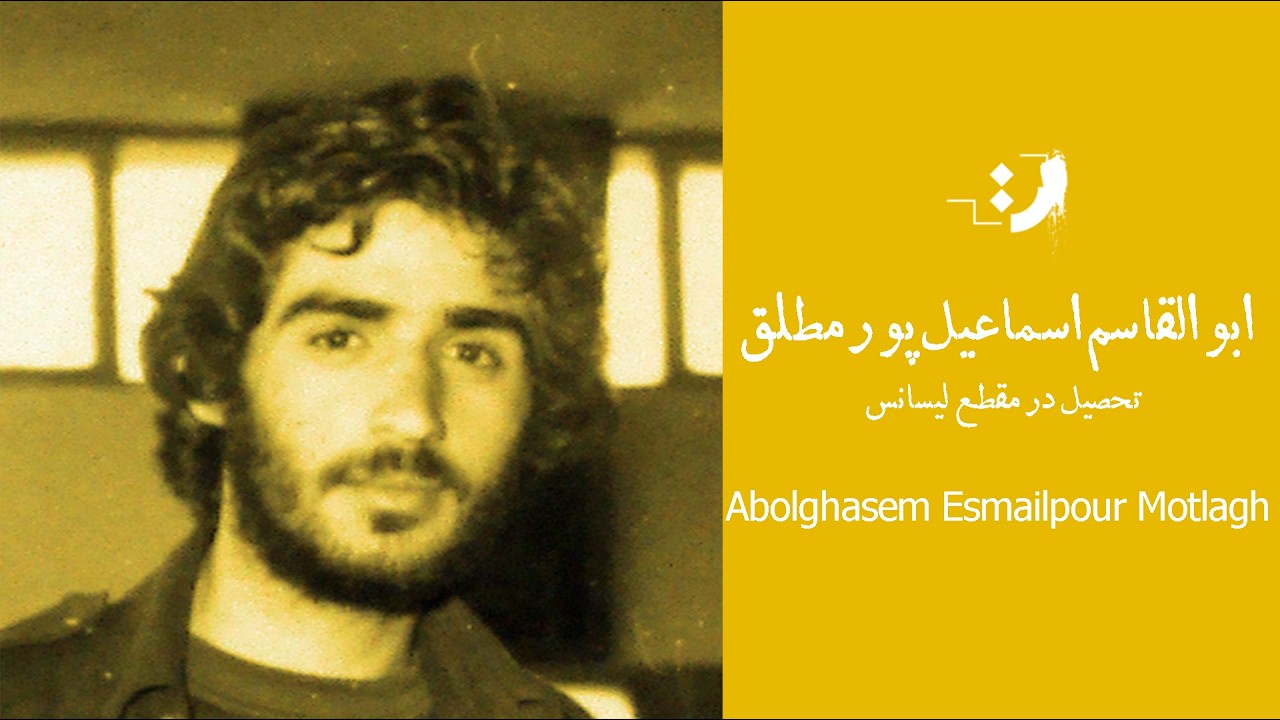
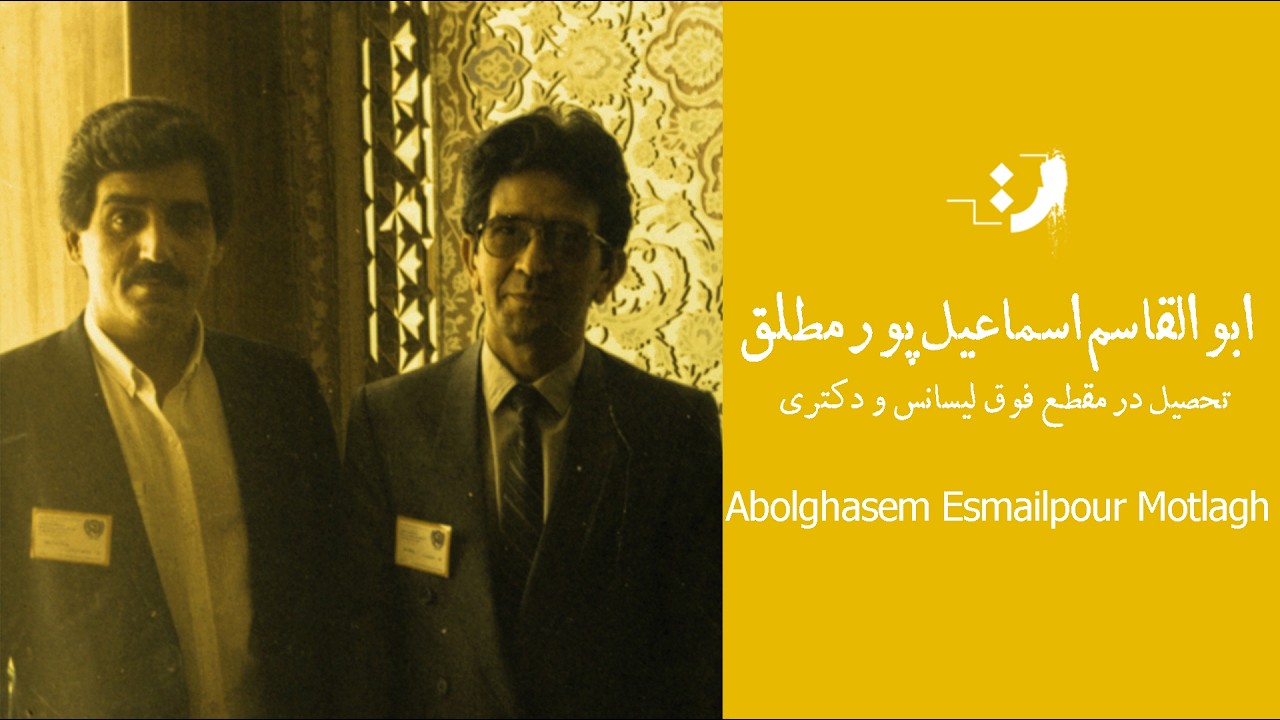
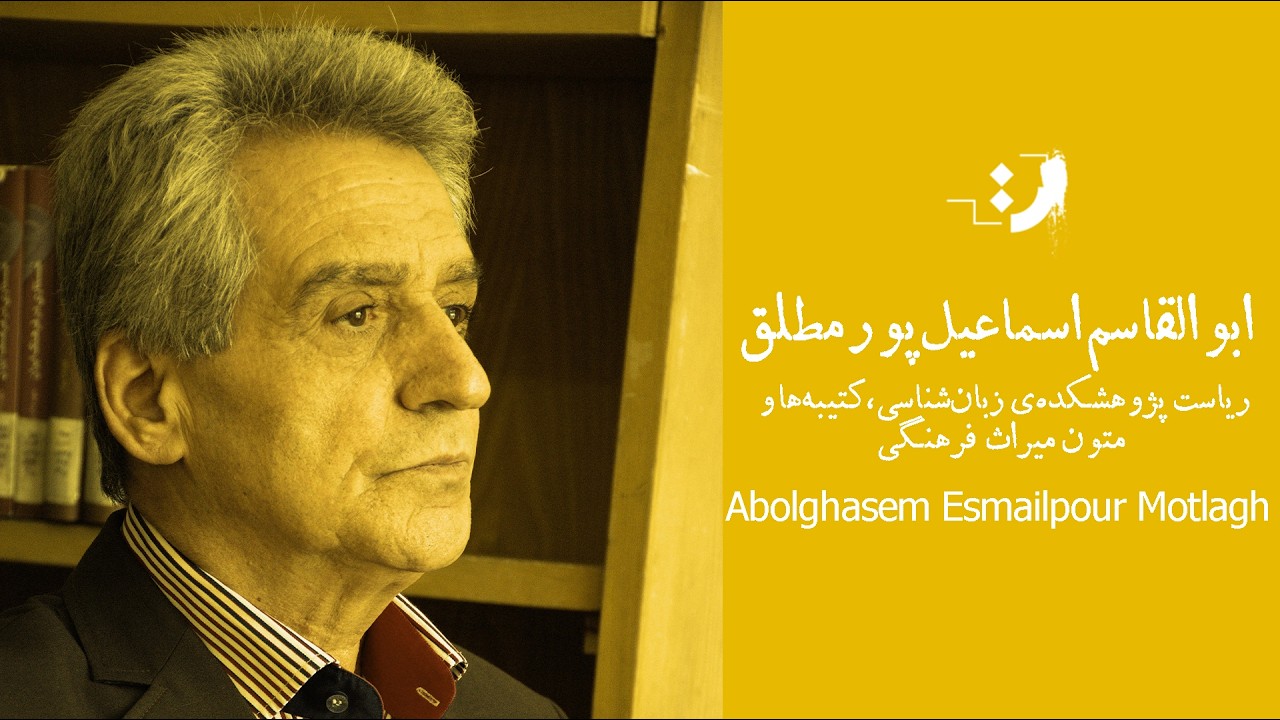
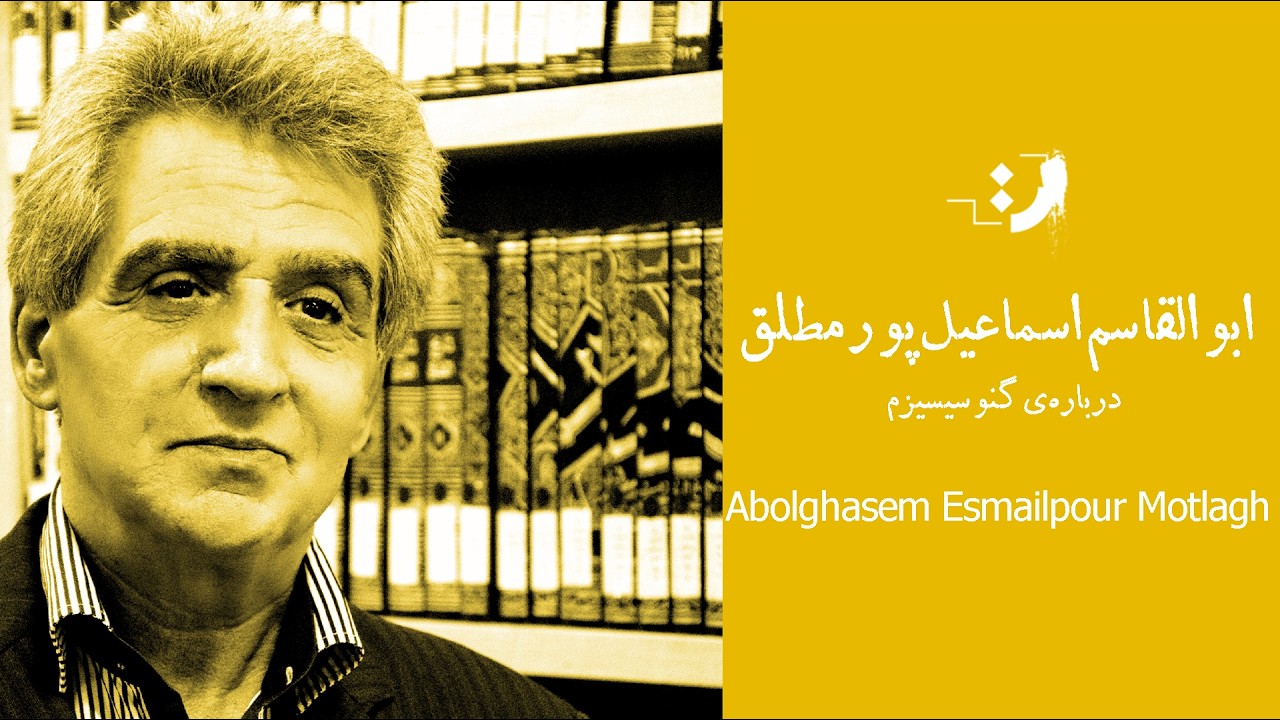
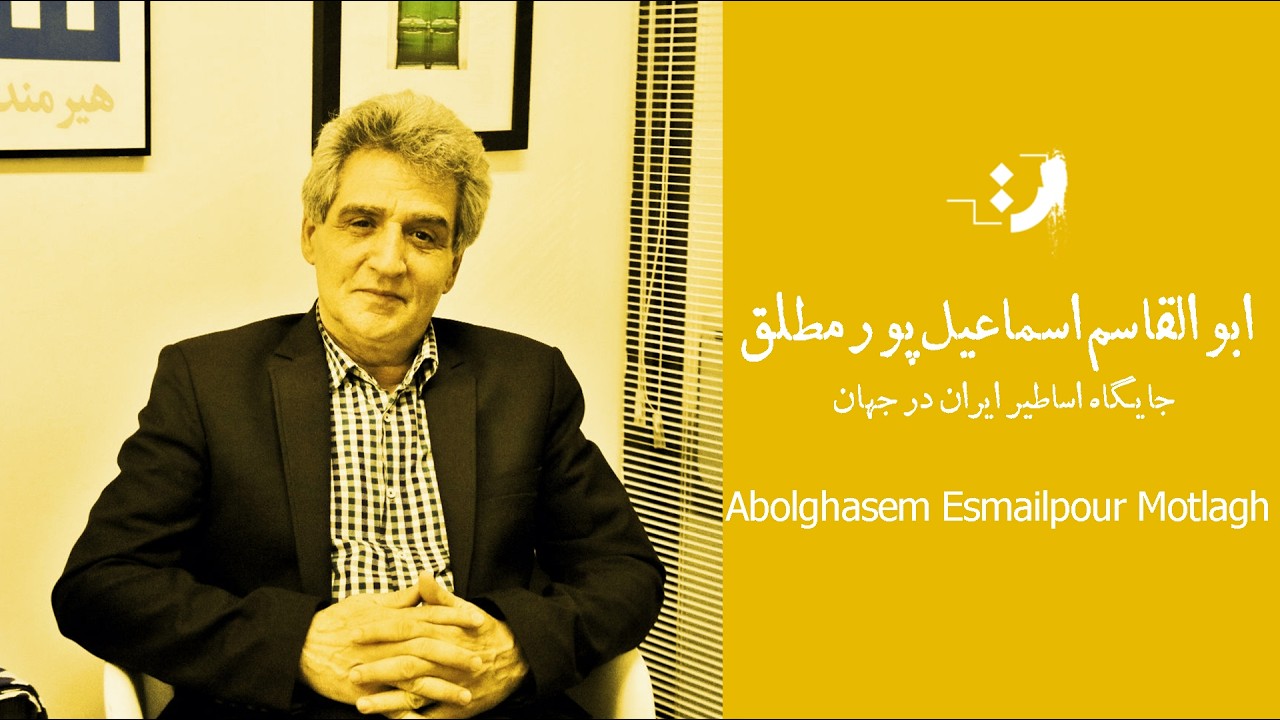
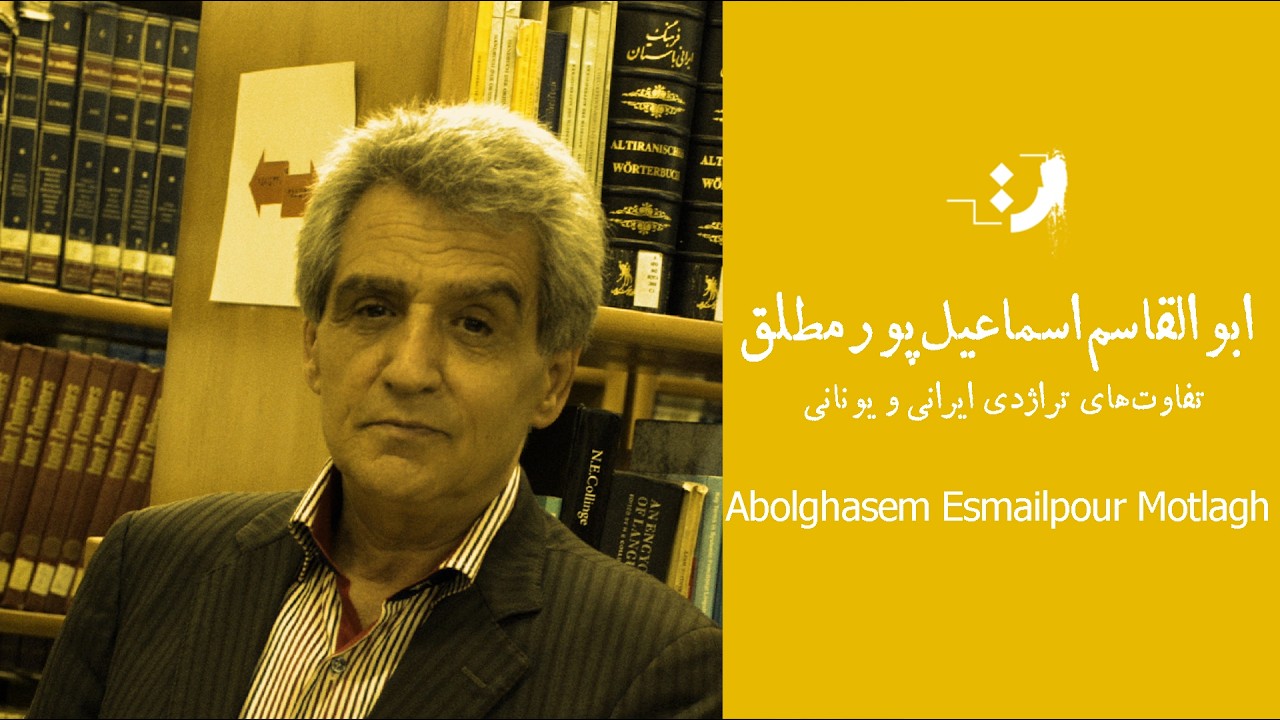
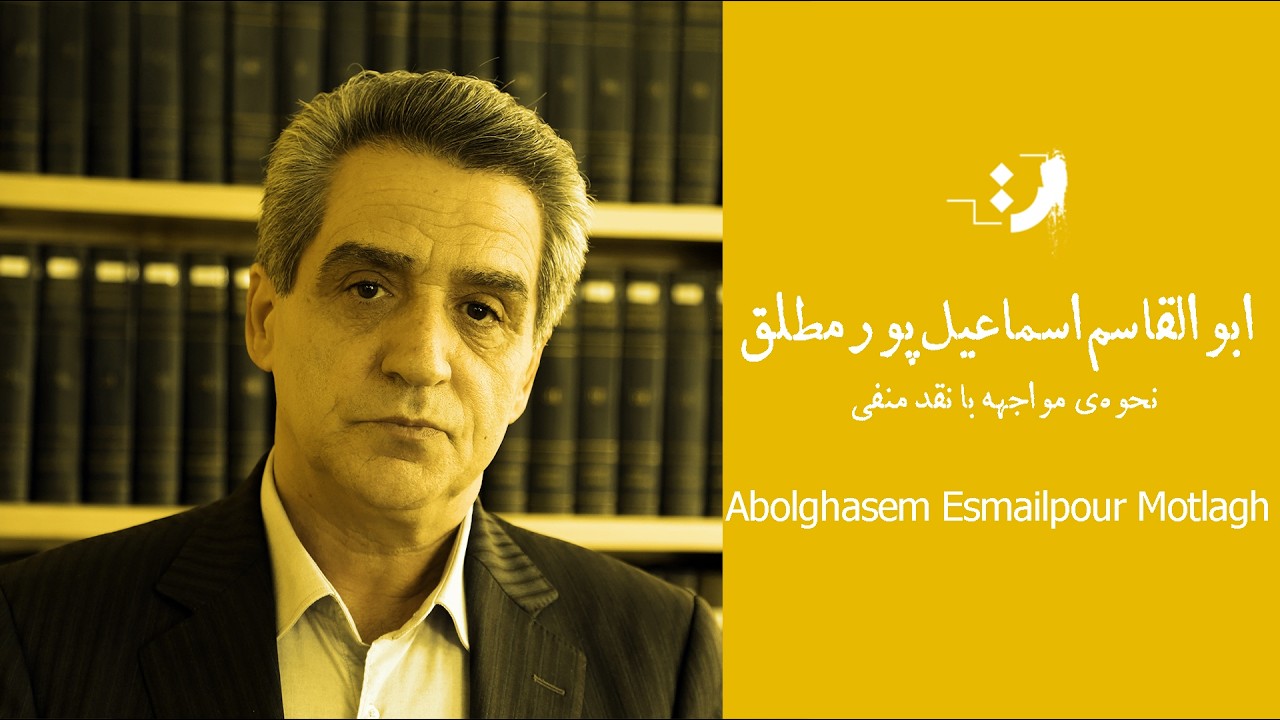
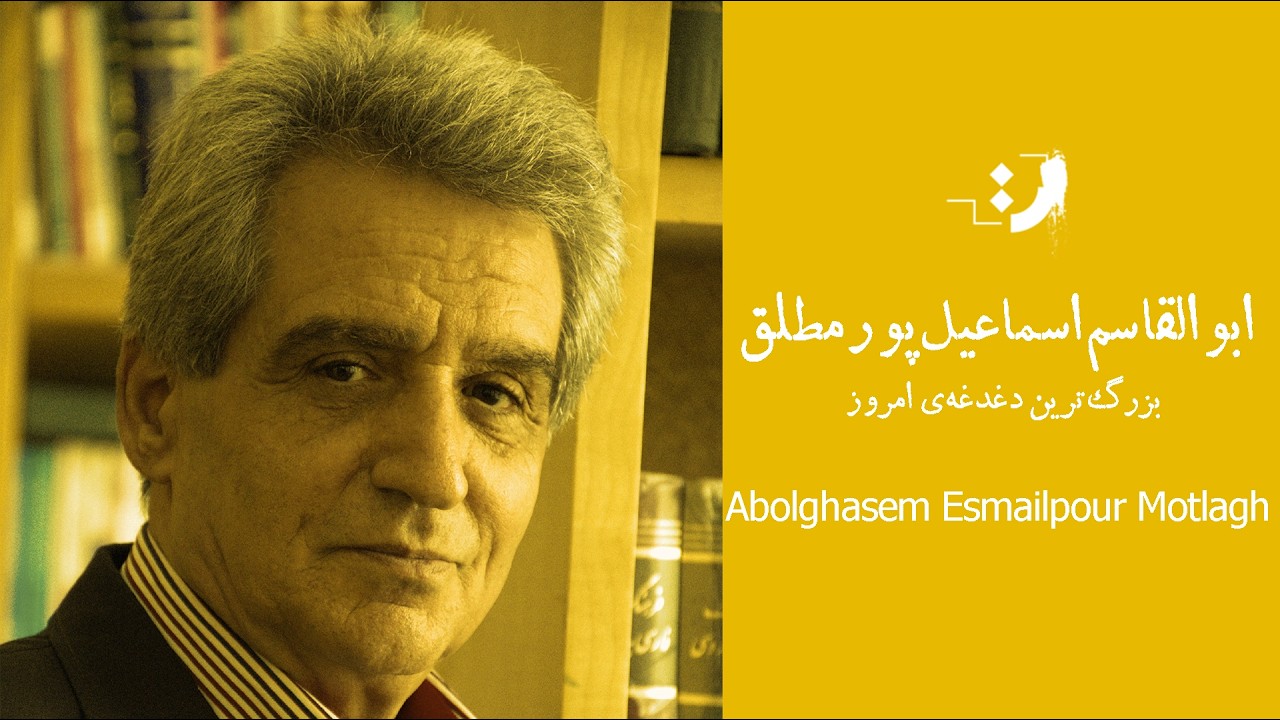
Abolghasem Esmaeilpour is an Iranian scholar of mythology, Iranian studies, ancient Iranian languages and cultures, as well as a translator and poet. He was born on 16 Shahrivar 1333 (7 September 1954) in the historic Bijan-Haji neighborhood of Babol, northern Iran. His principal fields of specialization are Manichaean studies, Iranian mythology, and the relationship between mythology and Persian literature.
Esmaeilpour has played an important role in the development of Manichaean studies in Iran. A considerable part of his research has focused on Manichaean mythology, Persian and Arabic sources concerning Manichaeism, and the legacy of Manichaean ideas in Iranian culture. Alongside these subjects, he has worked extensively on Persian literature, myth criticism, ancient and Middle Iranian poetry, Mazandarani folklore, world mythology, translation, and poetry.
An important point in the development of his Manichaean scholarship was his encounter with the distinguished Manichaean scholar Werner Sundermann at the international conference marking the centenary of the discovery of the Turfan texts in Berlin in 2002. Subsequently, Esmaeilpour increasingly focused his research on the presence and influence of Manichaeism in Islamic Iran through the study of classical Persian and Arabic texts.
Activities & Works
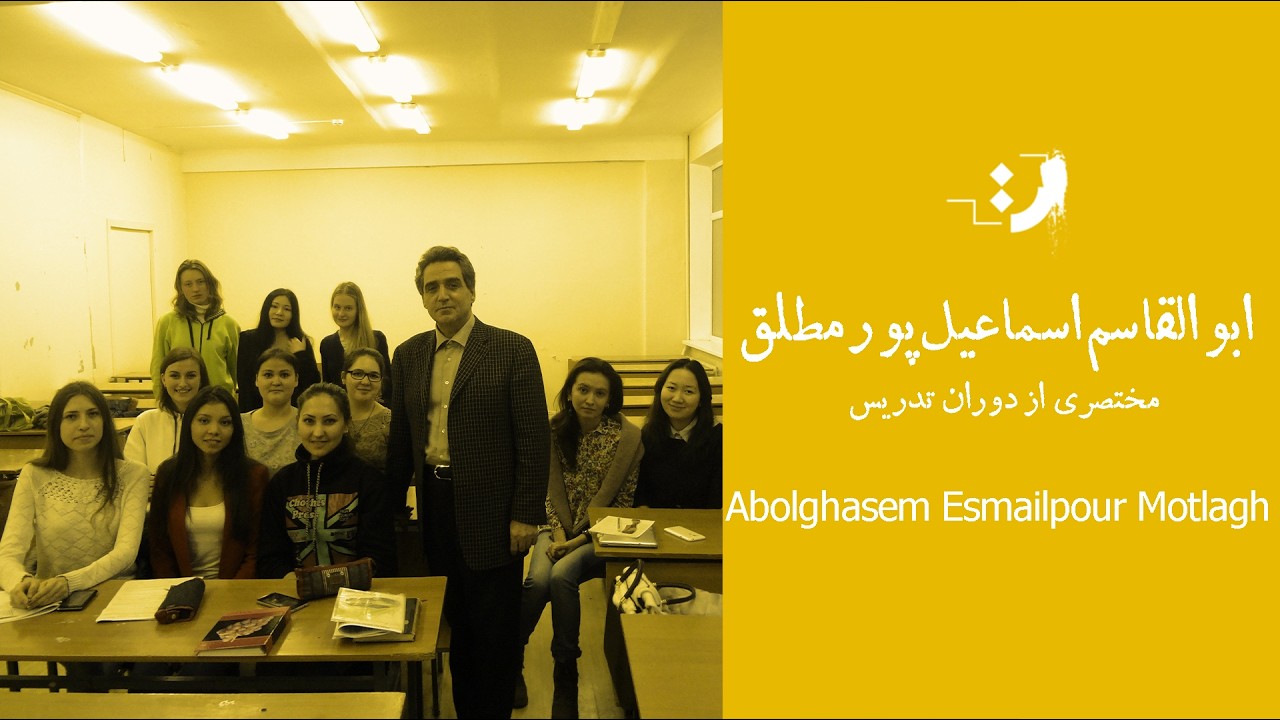
Esmaeilpour has taught at several universities in Iran and abroad, including Shahid Beheshti University, the University of Mazandaran, the University of Tehran, Allameh Tabataba’i University, and Islamic Azad University in Tehran. His teaching has included historical linguistics, ancient Iranian languages, the history of Persian, Iranian mythology, the Avesta, and Manichaean texts.
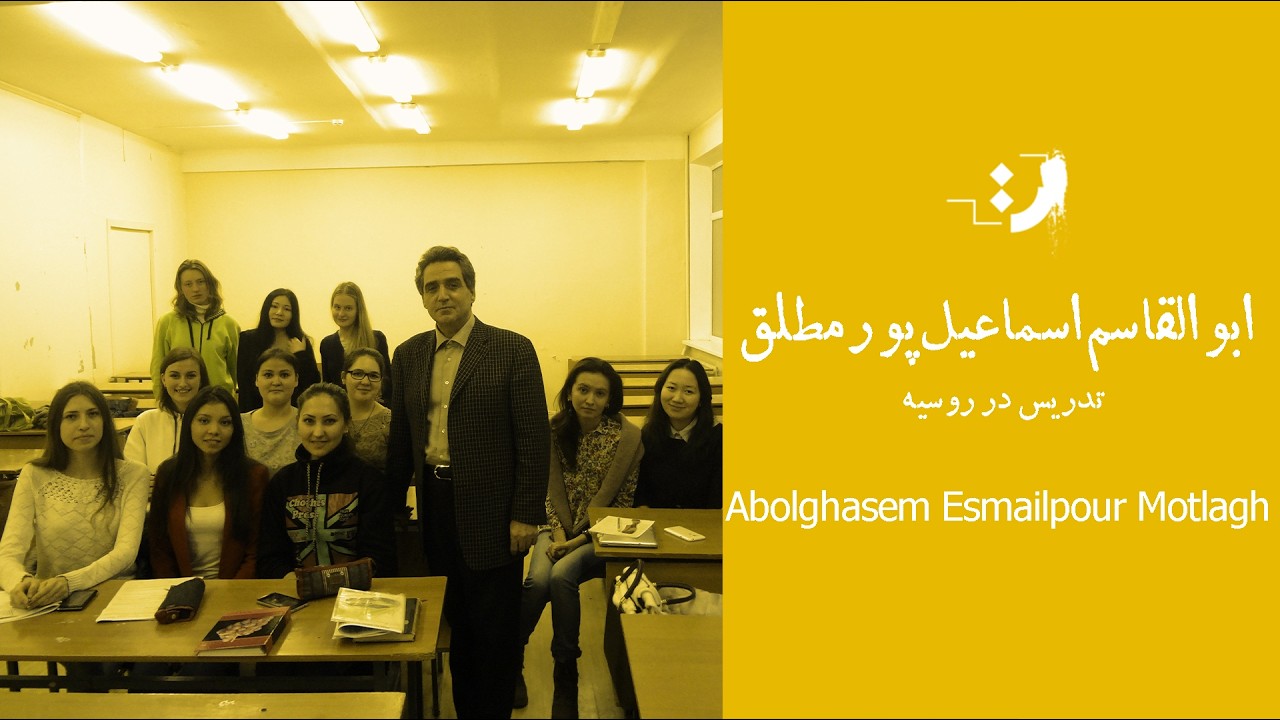
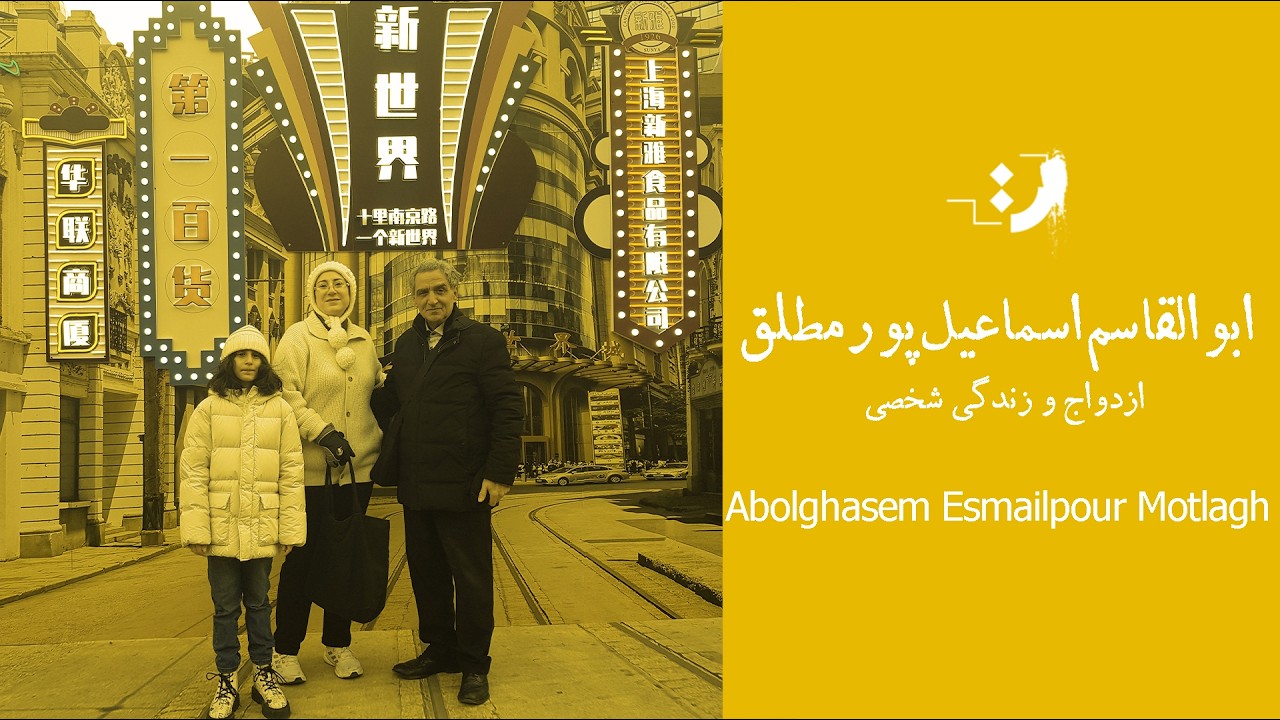
From 2006 to 2013, he served as head of the Department of Linguistics at Shahid Beheshti University. Between 2006 and 2008, he was director of the Research Institute for Linguistics, Inscriptions, and Texts within Iran’s Cultural Heritage organization. From 2003 to 2005, he was a visiting professor at Shanghai International Studies University and headed the Center for Iranian Studies at the university’s Institute of Middle Eastern Studies. He later served as a visiting professor at Moscow State University from 2013 to 2015.
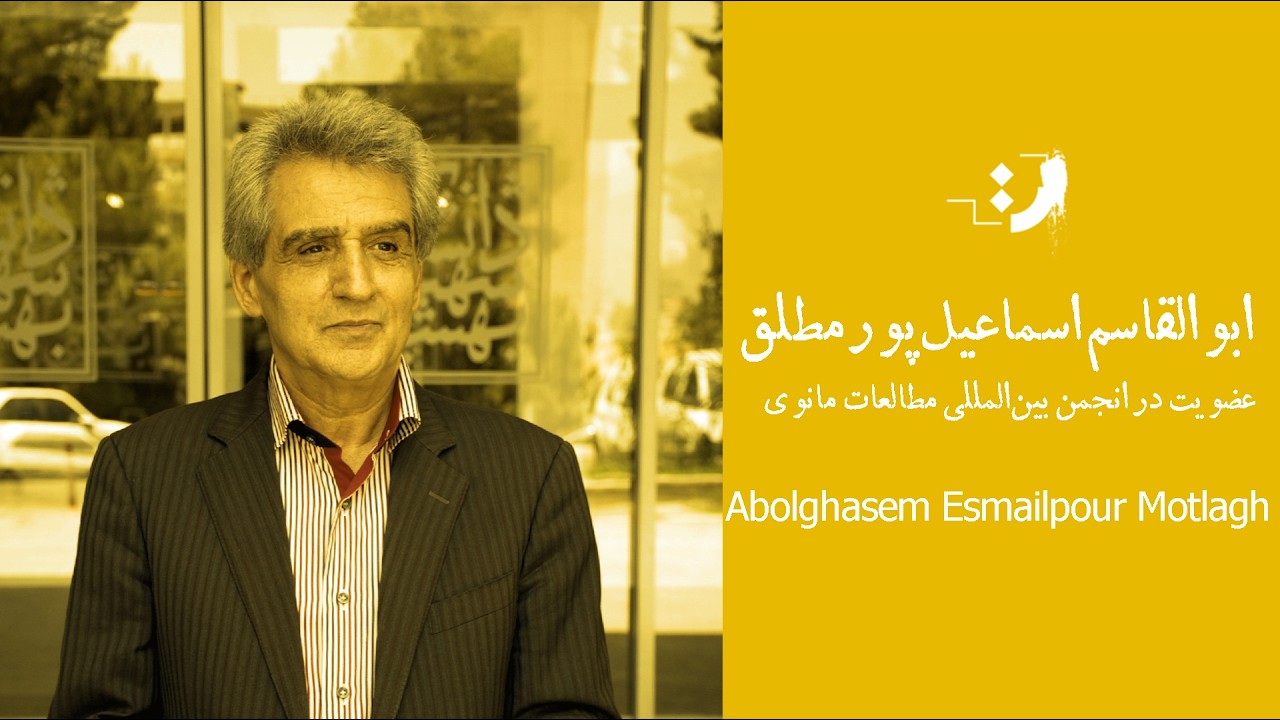
He has also served on the editorial boards of several academic journals concerned with anthropology, languages, literature, and linguistics. His professional memberships have included the Societas Iranologica Europaea (SIE), the International Association of Manichaean Studies (IAMS), and the Association for the Study of Persianate Societies (ASPS).
Among his major scholarly books are The Myth of Creation in Manichaeism, Myth: A Symbolic Expression, Under the Canopies of Light, and Hymns of Light. His English-language study on Manichaean mysticism and creation mythology was published by the University of Pennsylvania in 2005. He also co-authored Manichaean Literature with Mehrdad Bahar, a study of the background of Gnostic literature and Manichaean prose and poetry.
In literary studies, Esmaeilpour has examined the role of Iranian mythology in works such as Ferdowsi’s Shahnameh, Attar’s Conference of the Birds, Suhrawardi’s The Red Intellect, and modern Persian poetry. His collection Awakened Springs brings together part of this literary and cultural research. He has also collected and studied approximately five hundred authentic Mazandarani folk songs.
His creative works include three poetry collections: Every Grain of Sand, On the Pavement of No Return, and Beside the Cherry Tree. He has also translated substantial selections of world poetry into Persian, including the poetry of Octavio Paz and collections of haiku.
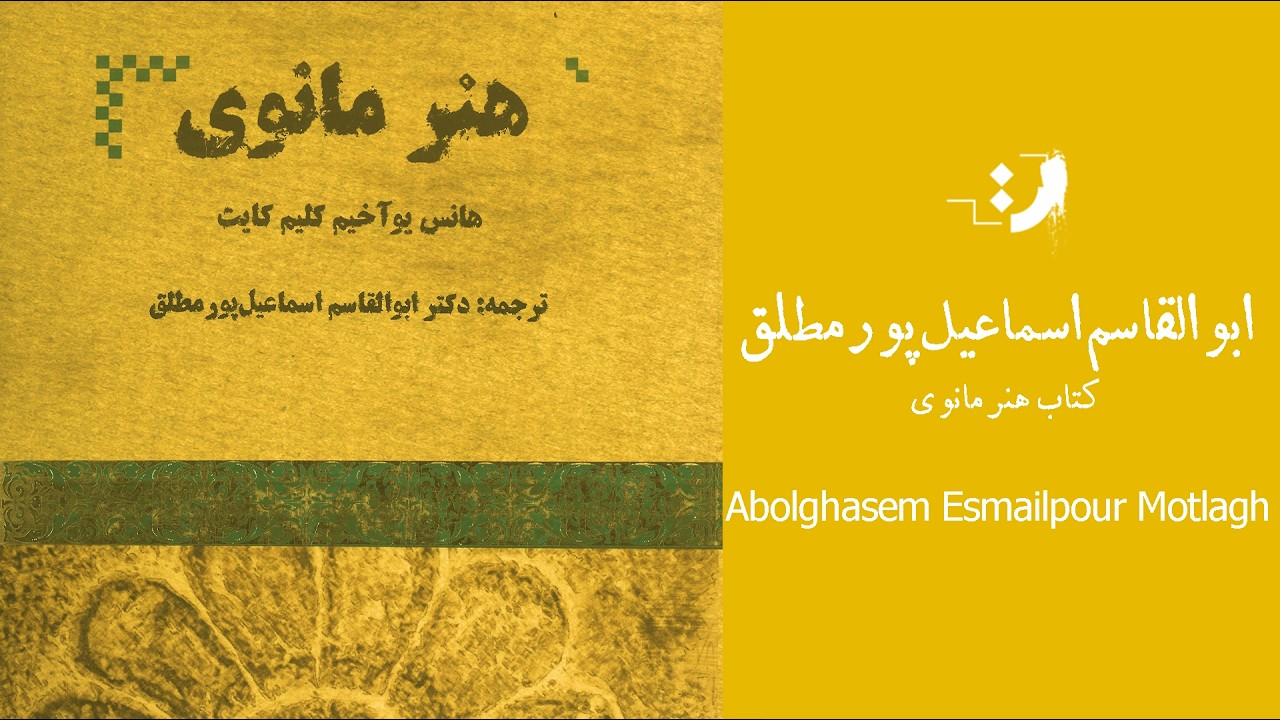
His translations in mythology, religious studies, and psychology include works published in Persian under titles such as Manichaean Art, The Manichaean Psalm-Book, Gnostic Literature, Encyclopedia of World Mythology, World Mythologies, and Mythologies of the East. He also translated works by Carl Gustav Jung, including The Undiscovered Self and Dreams.
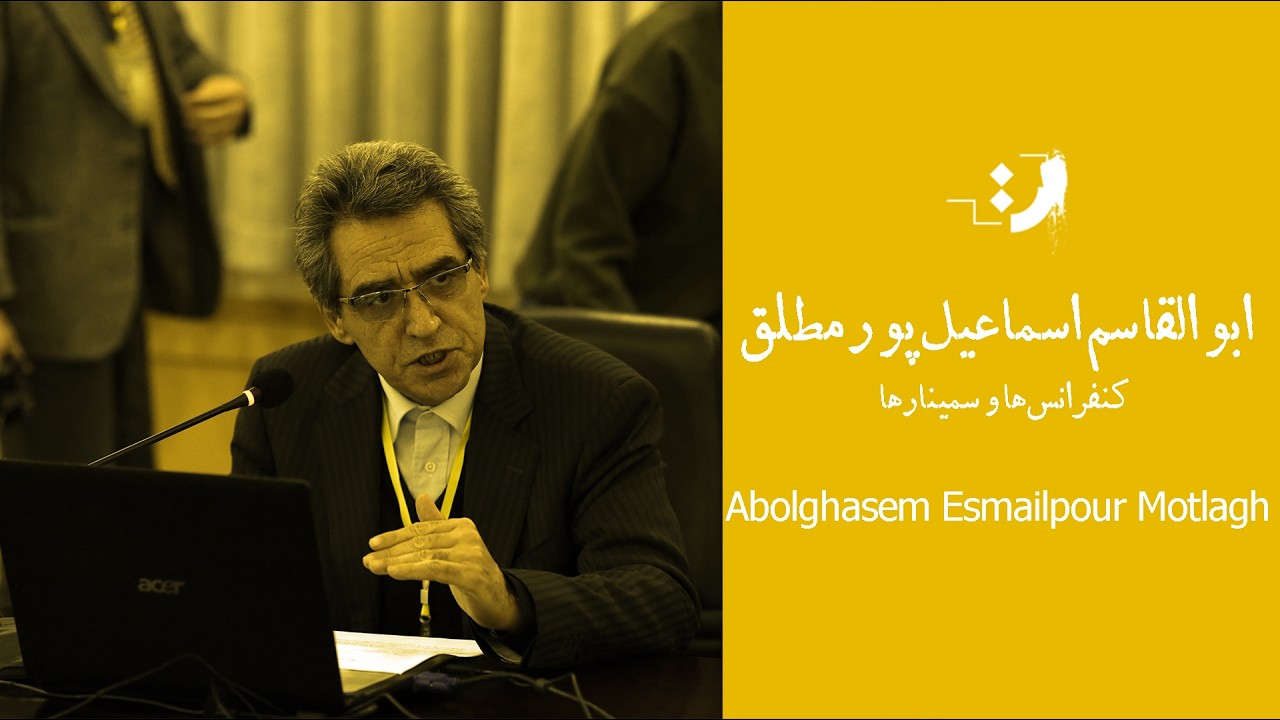
Esmaeilpour has published numerous articles on Manichaeism, Iranian mythology, ancient and Middle Iranian poetry, the Shahnameh, Gnosticism, and Iranian festivals and traditions in Iranian and international journals. He has also presented his research at conferences in countries including Germany, Italy, Armenia, China, Russia, Poland, Austria, and Greece.
Achievements & Awards
One of Esmaeilpour’s principal scholarly achievements has been his contribution to establishing and expanding Manichaean studies and Iranian mythological research in Iran. Through English-language publications and participation in international conferences, his research has also become known within the broader international field of Iranian studies.
His honors include a certificate of commendation from the Parseh Educational and Research Institute and recognition as an exemplary professor at Shahid Beheshti University. According to the source, he also received a Book of the Season Award for Hymns of Light, the 1387 Iranian Book of the Year Award for Encyclopedia of World Mythology, and both Book of the Season and Book of the Year honors in 1389 for Gnostic Literature.
Selections from Esmaeilpour’s writings and poetry have been translated into English, Chinese, Hindi, and Russian. His broad body of work across research, university teaching, translation, poetry, and interdisciplinary literary studies has established a career spanning Manichaean studies, Iranian studies, comparative mythology, Persian literature, and regional folklore.