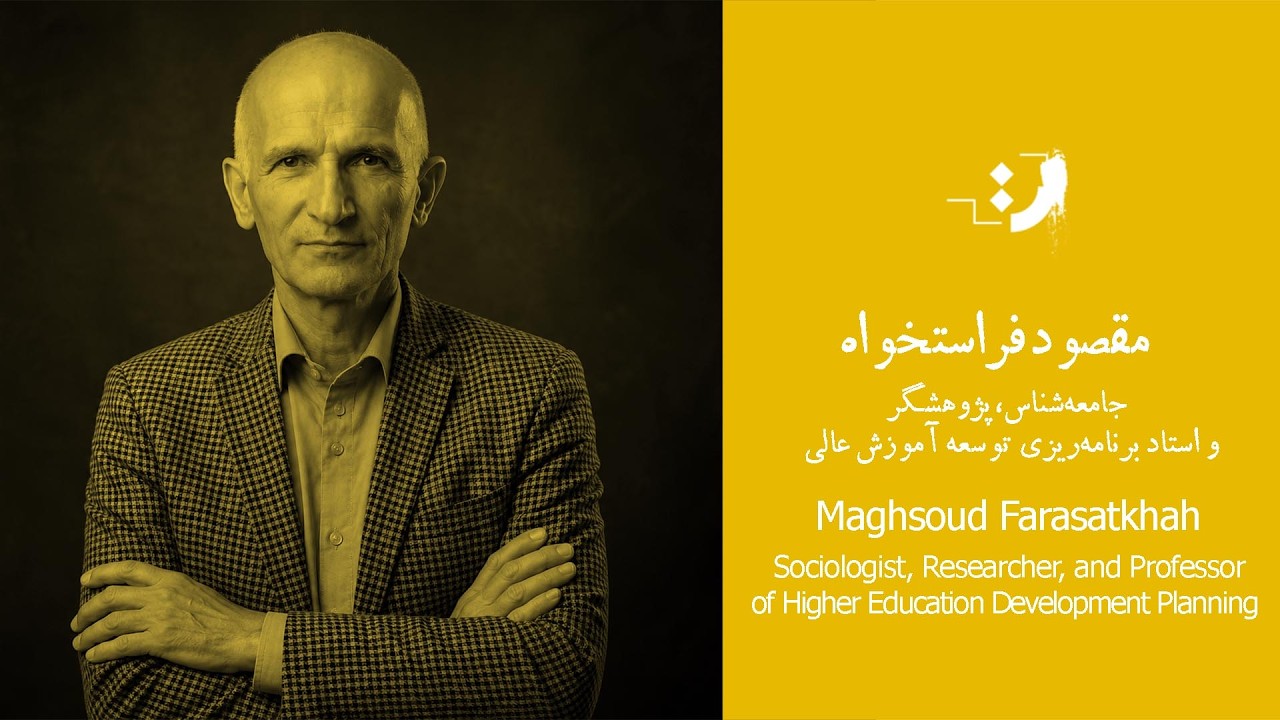
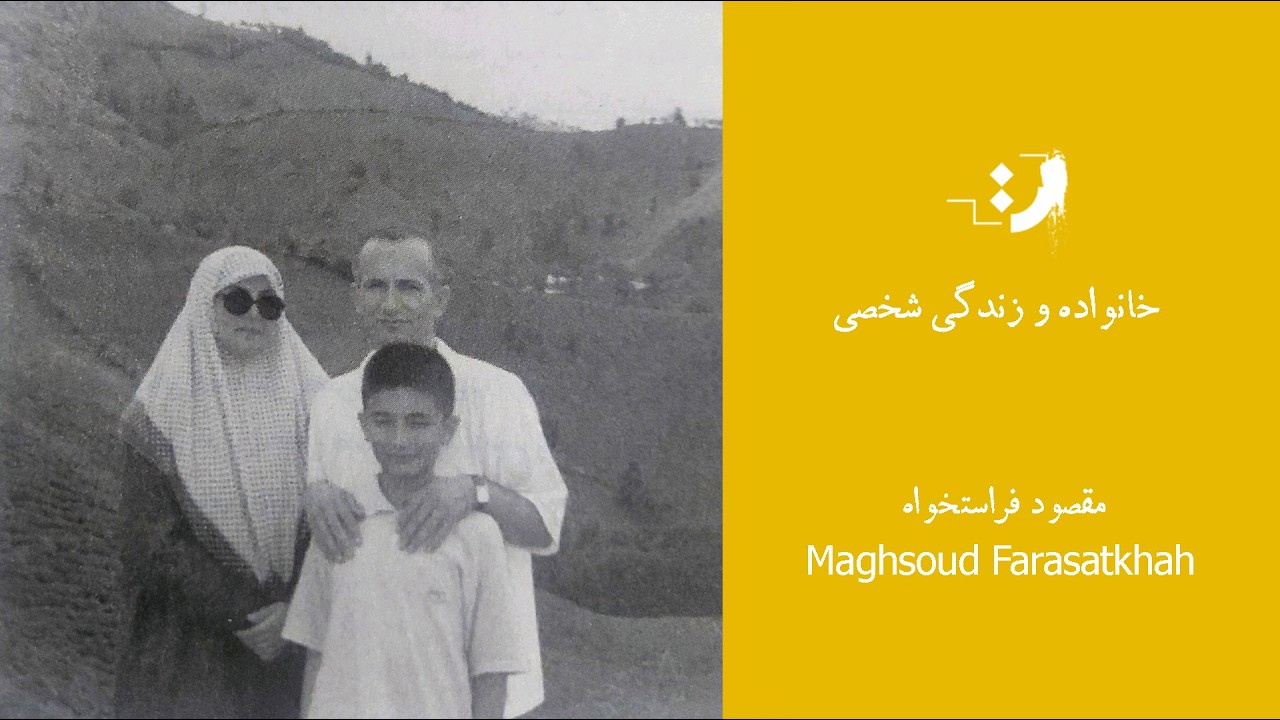
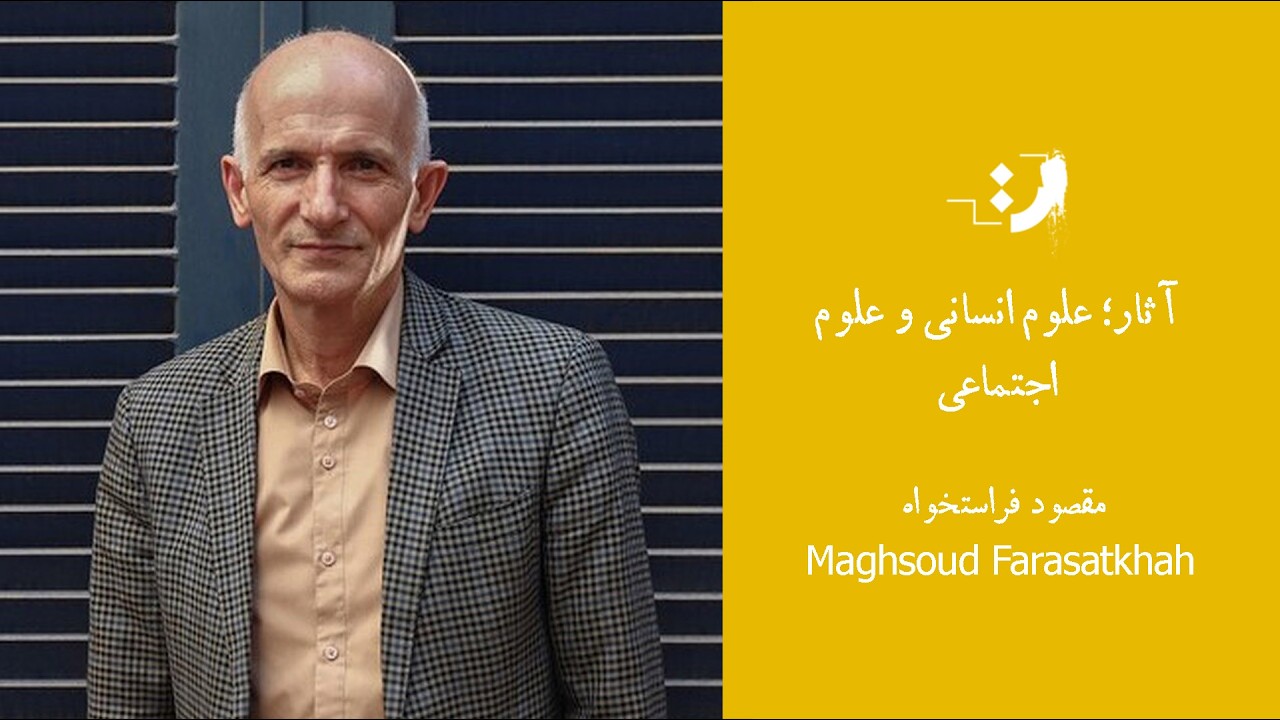
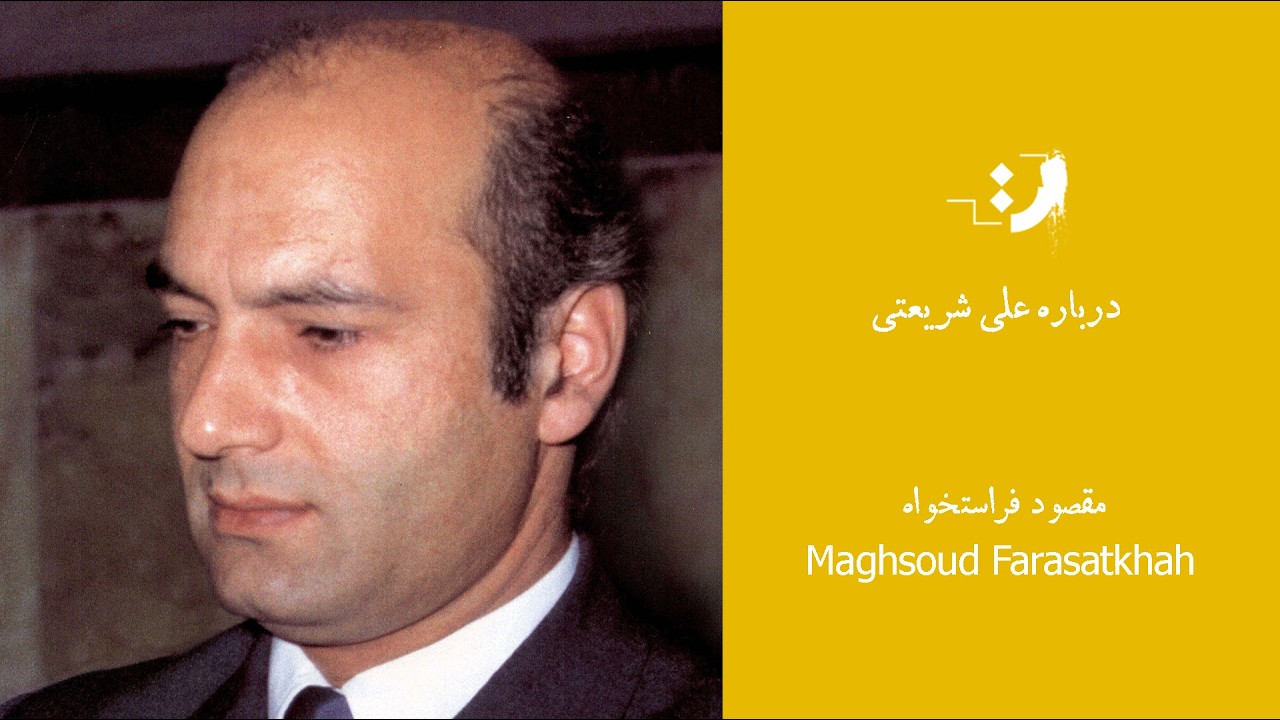
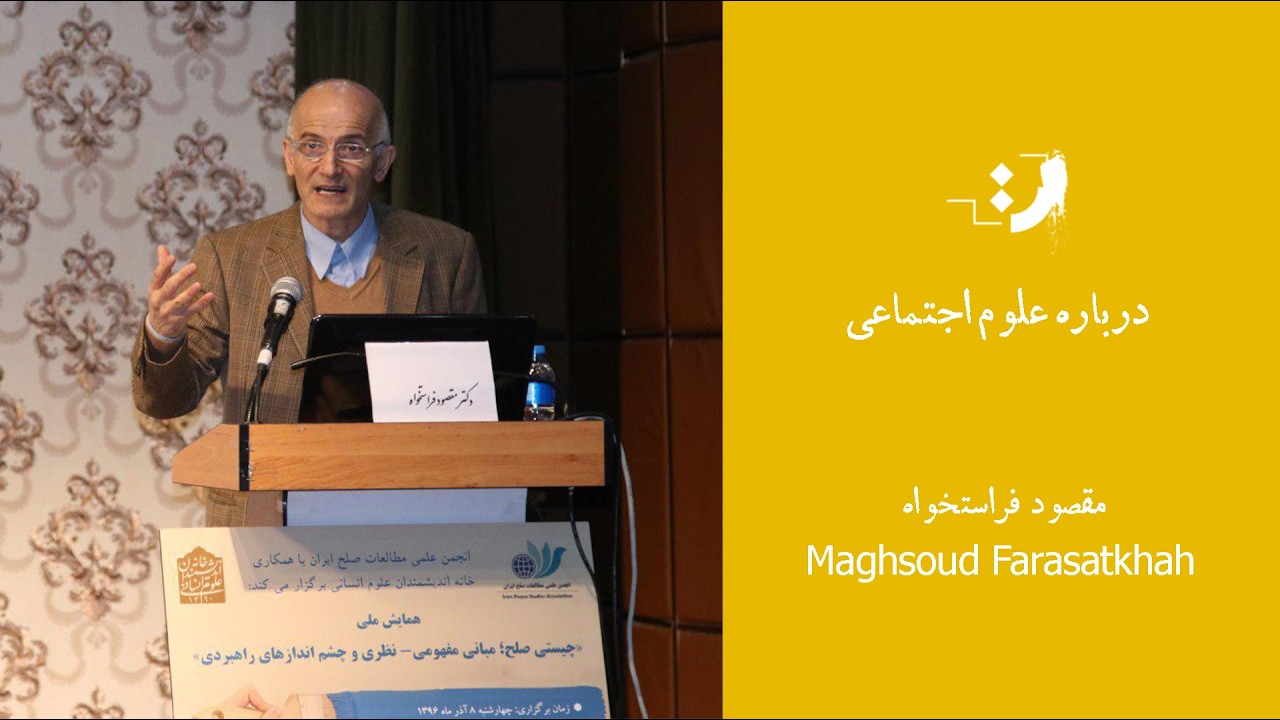
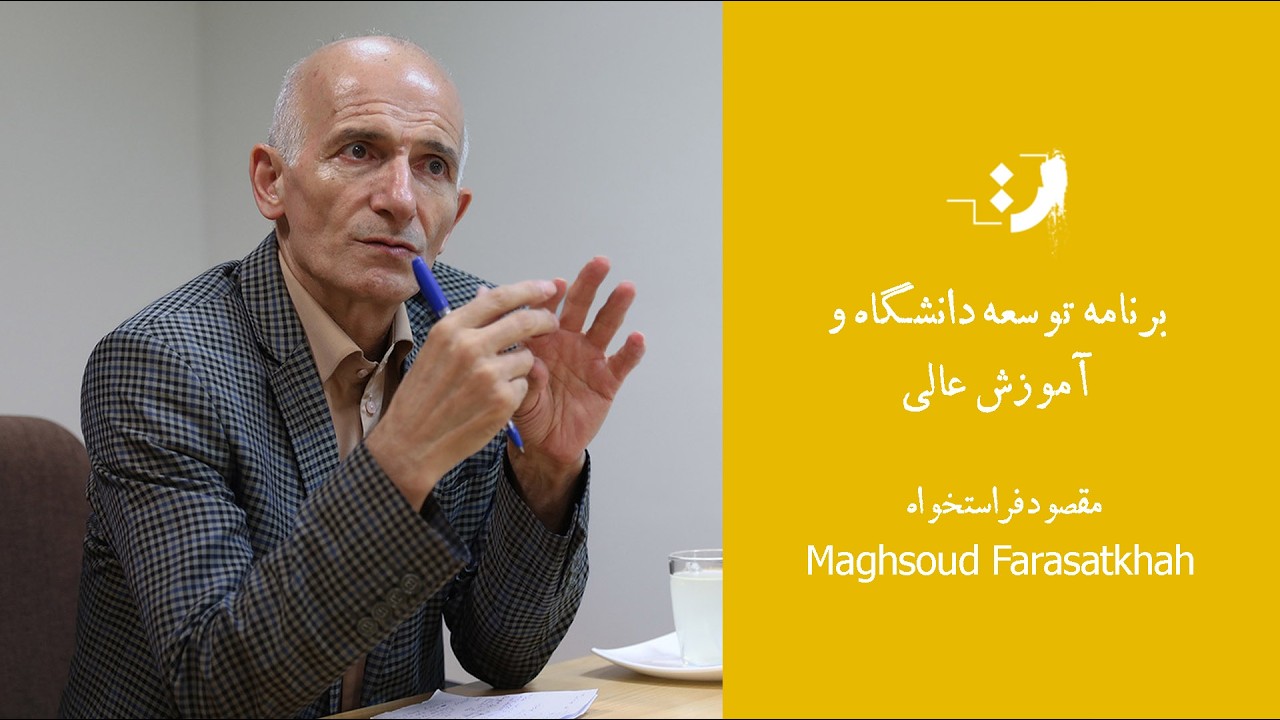
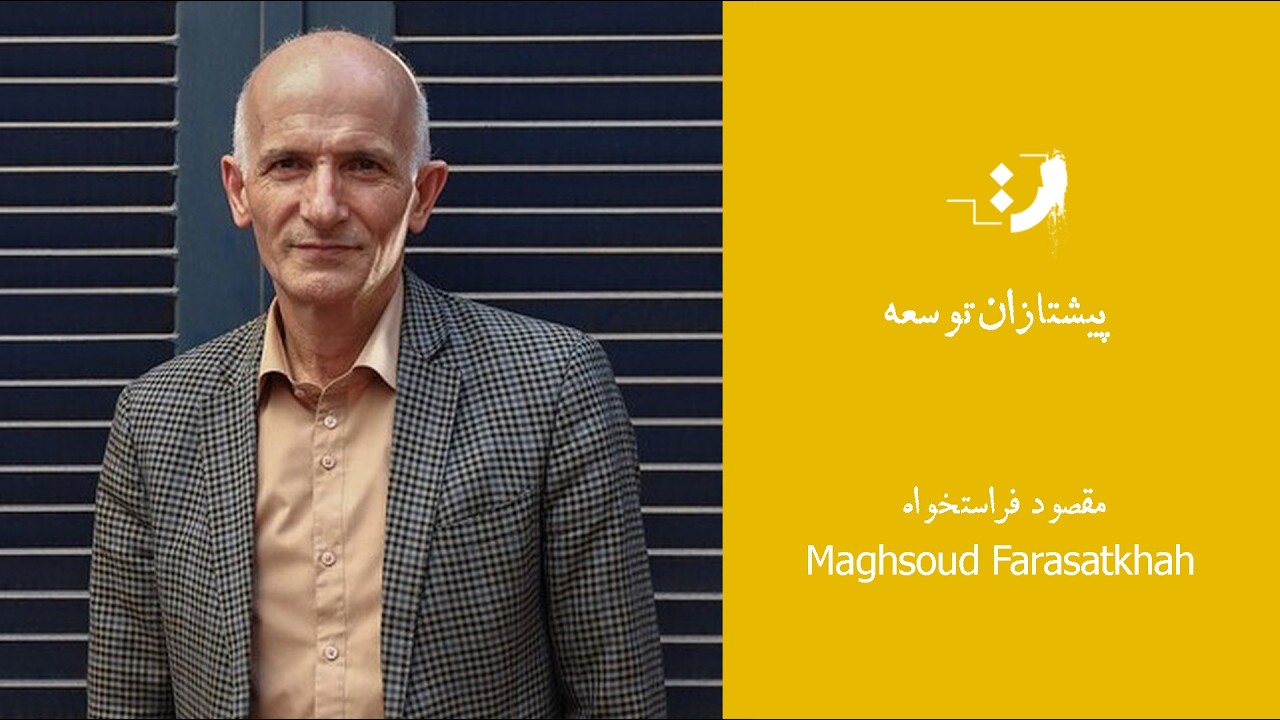
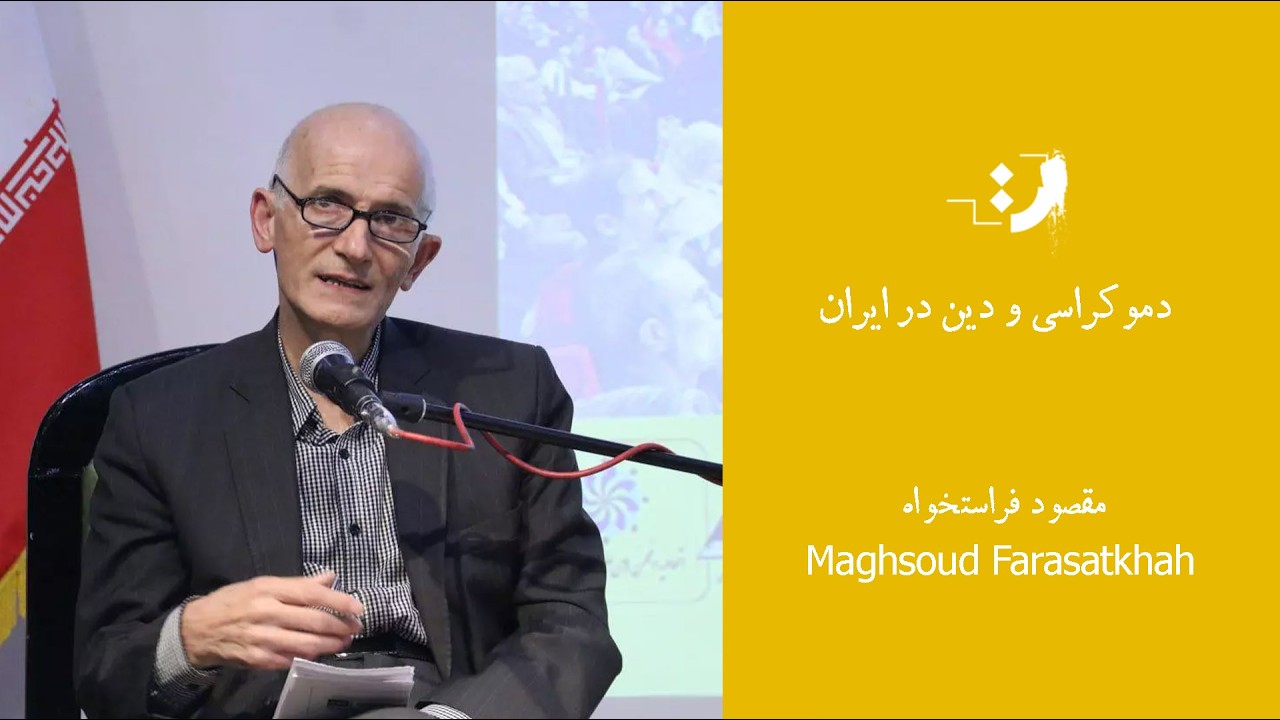
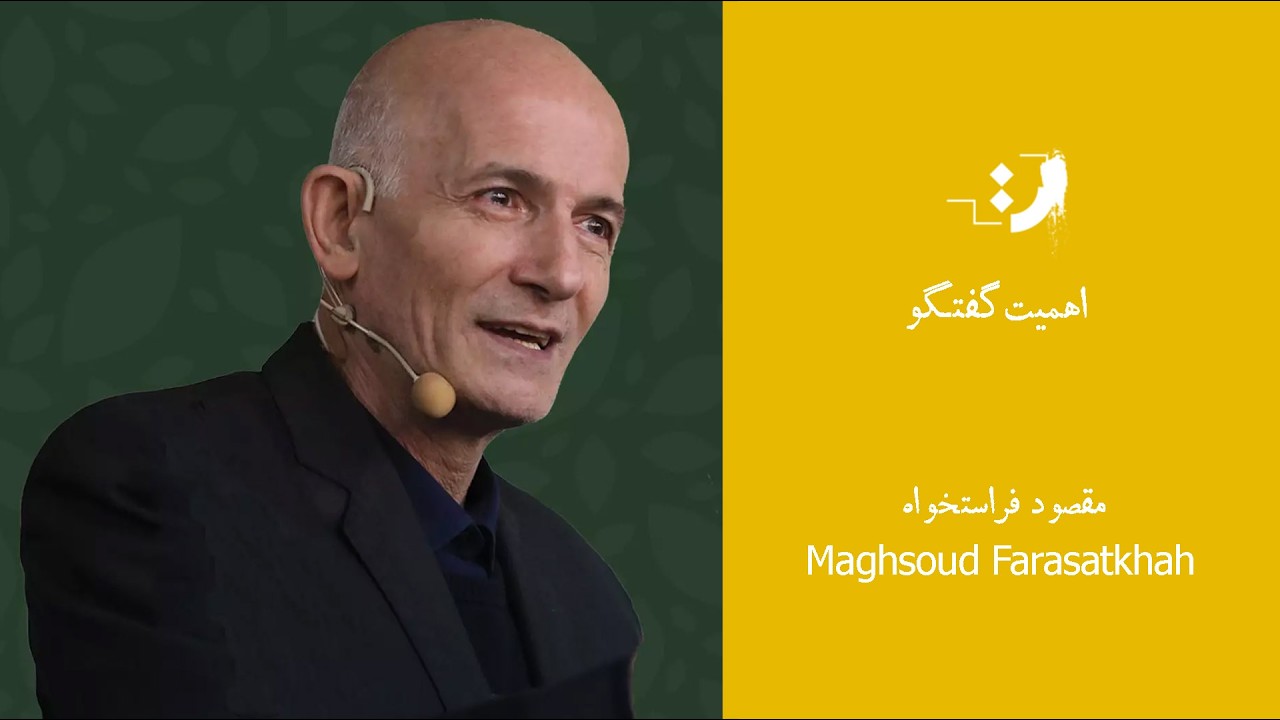
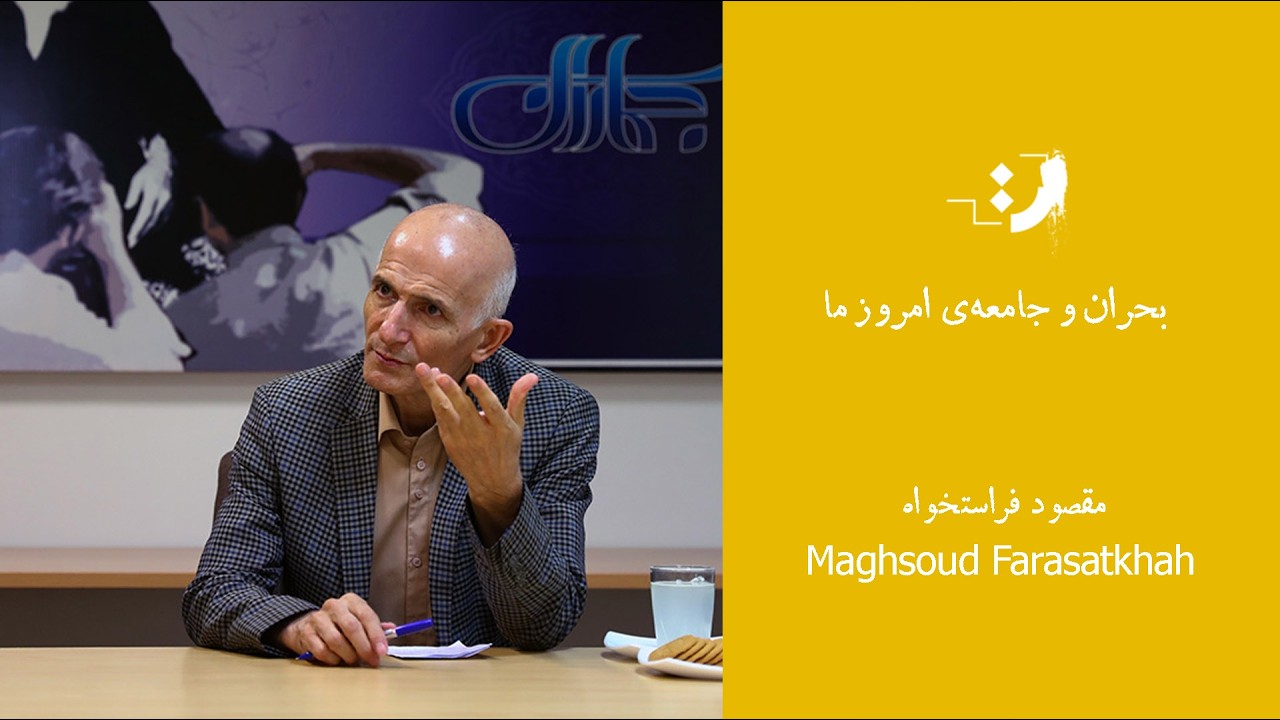
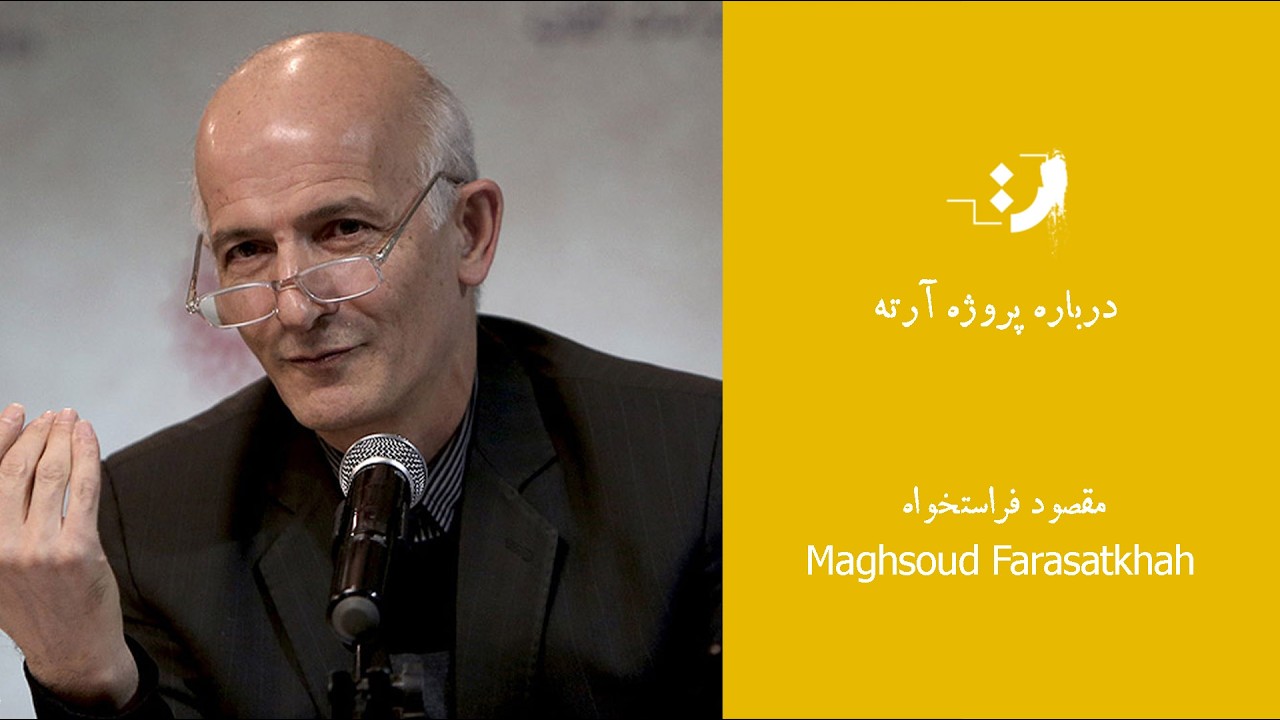
Maghsoud Farasatkhah, born on May 4, 1956 (14 Ordibehesht 1335) in Tabriz, is an Iranian sociologist, researcher, and professor of higher education development planning at the Institute for Research and Planning in Higher Education.
His academic and intellectual work spans a broad range of fields, including sociology, religious and cultural studies, higher education, science policy, research methodology, and the sociology of Iranian society. Over several decades of teaching and research, he has examined the historical and social conditions of Iranian society as well as the development, governance, and quality of higher education in Iran.
Among his best-known theoretical contributions is the Iranian Theory of Boundary Actors, which examines individuals who operate at the interface between the state and society and seek to create channels of communication, institutional development, and possibilities for social change.
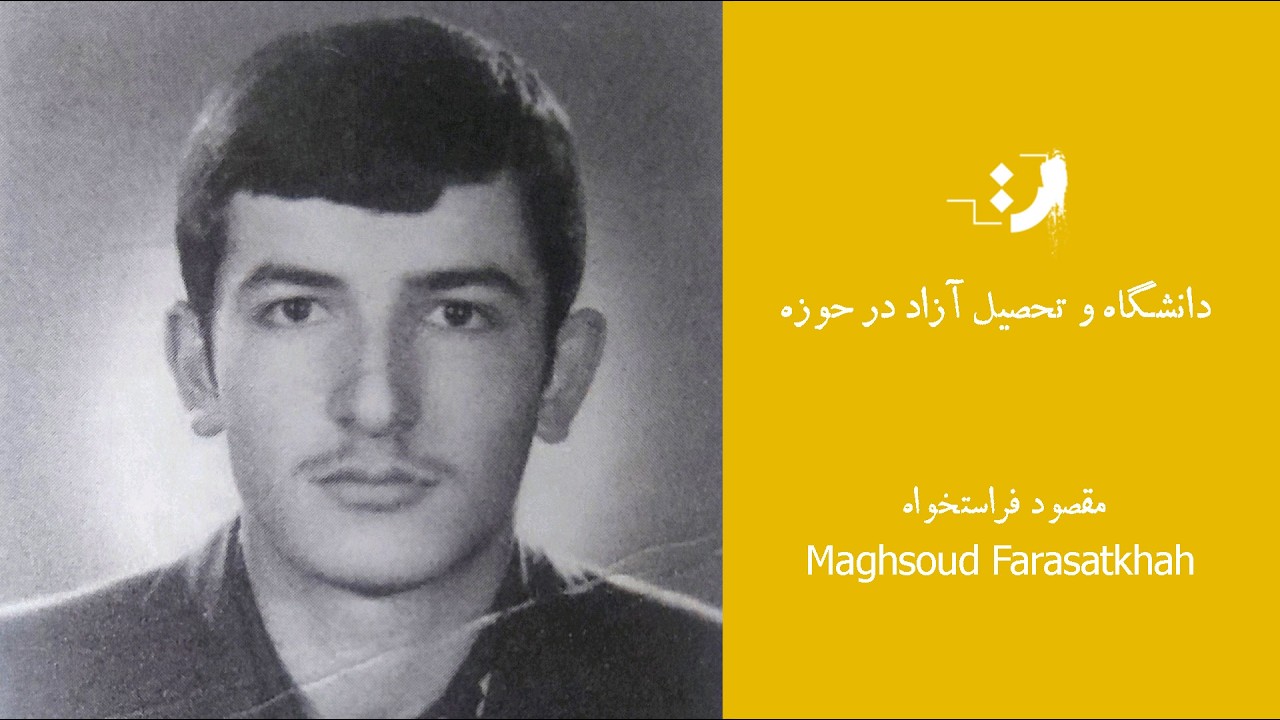
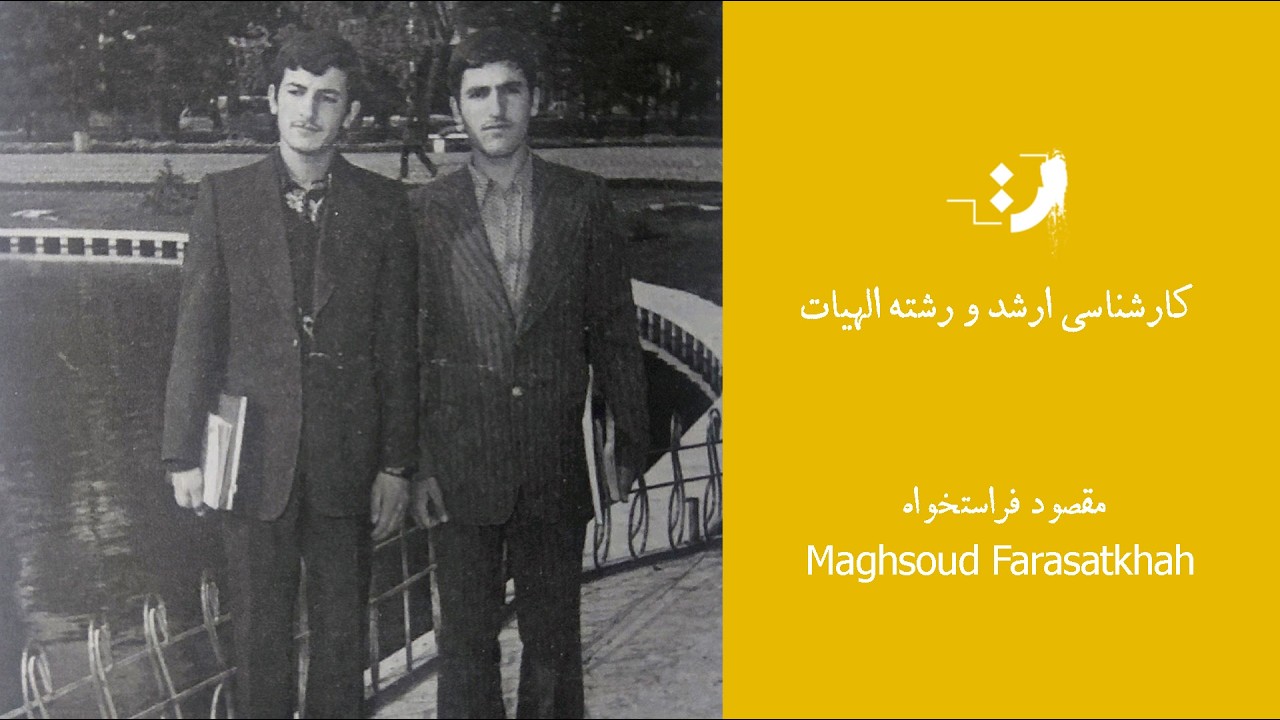
Education
Farasatkhah pursued university studies in philosophy, theology, and higher education development planning. His highest academic qualification is a PhD in Higher Education Development Planning from the Faculty of Education and Psychology at Shahid Beheshti University.
His multidisciplinary educational background has significantly influenced his scholarly approach, allowing him to combine sociological, historical, philosophical, and educational perspectives in his research.
Activities and Works
During the first half of the 1990s, Farasatkhah taught at universities and higher education institutions in Tabriz. From the second half of that decade onward, he taught at several major universities in Tehran, including the University of Tehran, Allameh Tabataba’i University, Alzahra University, and Shahid Beheshti University.
His teaching fields have included the sociology of cultural change, the history of social thought, sociology of religion, sociology of youth, higher education policy and planning, comparative higher education development planning, university quality, evaluation and accreditation, qualitative and mixed research methods, and higher education futures studies.
His research has primarily focused on three broad areas: religious studies, social studies, and studies of science, universities, and higher education. He has also served as the founder and scientific secretary of the Higher Education Futures Studies Desk at the Institute for Research and Planning in Higher Education.
Farasatkhah’s writings address such subjects as the historical sociology of Iran, development, social and cultural patterns, the Iranian university, the quality of higher education, and the role of human agency in processes of institutional and social change.
In his influential book We Iranians, he challenges essentialist interpretations of Iranian social characteristics. Rather than viewing collective behaviors as fixed national traits, he analyzes them in relation to historical, political, economic, institutional, and cultural conditions.
One of his major theoretical contributions is the Theory of Boundary Actors, developed through research on modern Iranian history. The concept refers to actors who move between the spheres of government and society and seek to create intermediary spaces for dialogue, policymaking, institutional reform, and social empowerment, even under conditions of structural constraint.
His major books and scholarly works include:
- The Question of Iran
- Boundary Actors
- We Iranians: A Historical and Social Inquiry into Iranian Social Characteristics
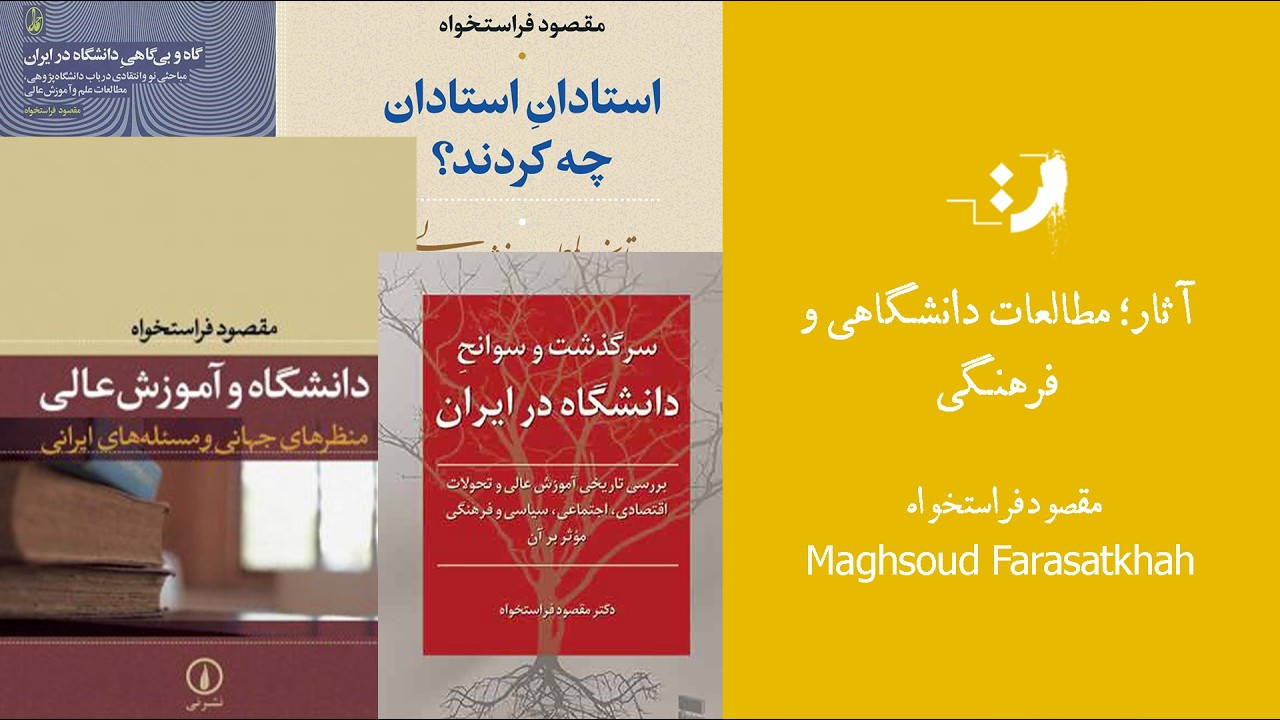
- University and Higher Education: Global Perspectives and Iranian Issues
- The Story and Incidents of the University in Iran
- The Iranian University and the Question of Quality
- Occasions and Disruptions of the University in Iran
- What Did the Teachers of Teachers Do? A History of Dar al-Mo’allemin and Daneshsara-ye Ali
- An Eighty-Year History of the Faculty of Engineering, University of Tehran
- Futures Studies of Higher Education and the University in Iran: Foundations and Scenarios
- Qualitative Research Methods in the Social Sciences with an Emphasis on Grounded Theory
- The Humanities and the Question of Social Impact
- Mind and Everything: Schemas for Life
- Ethics in Iran: Between Earth and Heaven
- The Language of the Qur’an
- The Beginnings of Contemporary Intellectual Renewal
- Religion, Reason, and Knowledge
Together with Abbas Bazargan, he co-authored Supervision and Evaluation in Higher Education. He has also contributed to the Persian translation of Mixed Methods Research: Merging Theory with Practice.
Achievements and Awards
In 2017, on the occasion of World Science Day for Peace and Development, Farasatkhah received Iran’s Science Promotion Award. The award recognized his sustained academic and public efforts to disseminate sociological knowledge and his commitment to cultural, educational, and scientific engagement.
In 2018, Supervision and Evaluation in Higher Education, co-authored with Abbas Bazargan, received the Dehkhoda Award.
At the 10th Farabi International Festival in January 2019, Farasatkhah was recognized as a laureate in the field of Interdisciplinary Studies.
He has also been listed among the world’s top two percent most highly cited researchers, according to Iran’s Islamic World Science Citation Center (ISC).
In 2025, his book Boundary Actors was selected as an outstanding work in the social sciences at the 42nd edition of Iran’s Book of the Year awards.
In 2025–2026, he received the Gholamhossein Sedighi Social Sciences Medal from the Iranian Sociological Association.
In spring 2026, Farasatkhah was also selected as a National Distinguished Professor, based on his academic, research, educational, ethical, and social record.