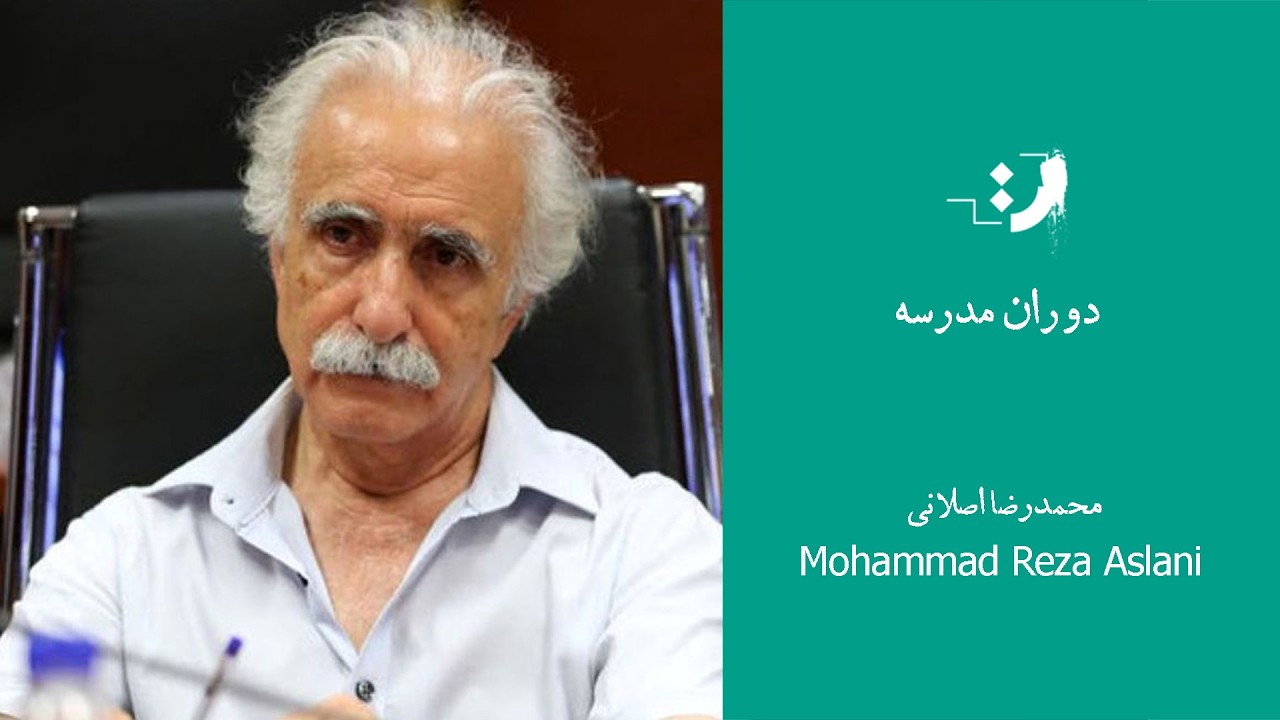
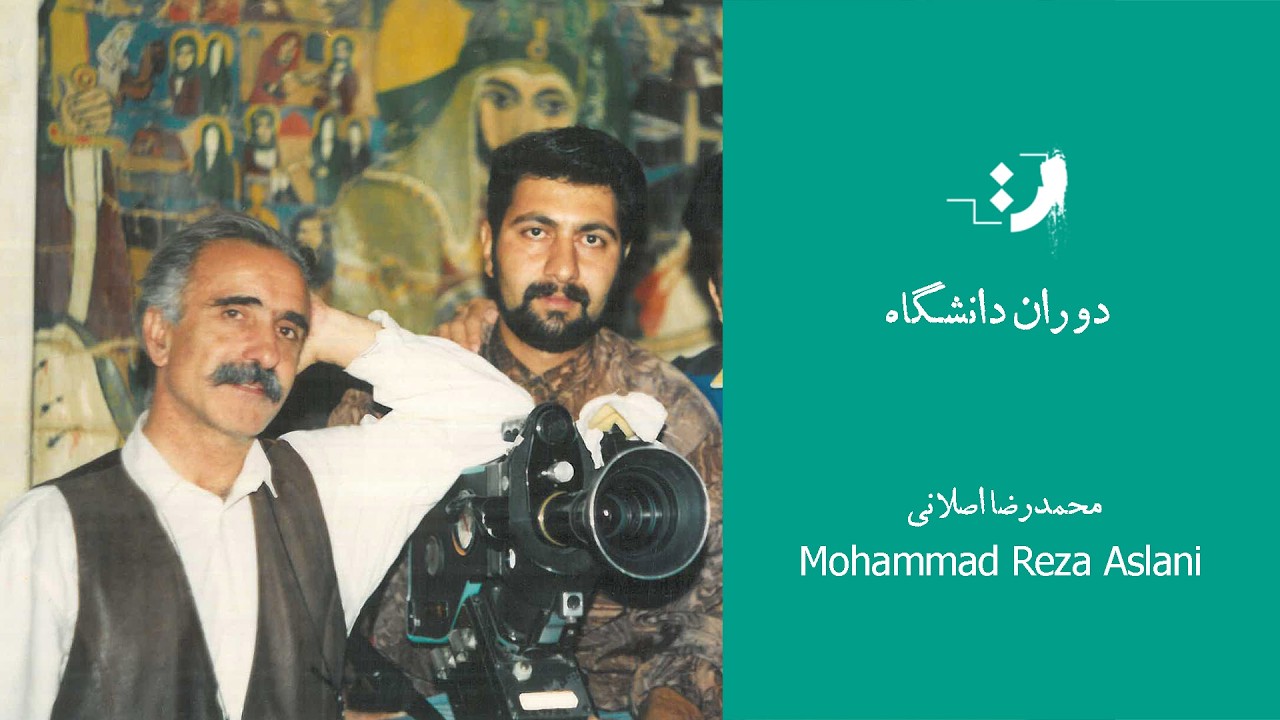
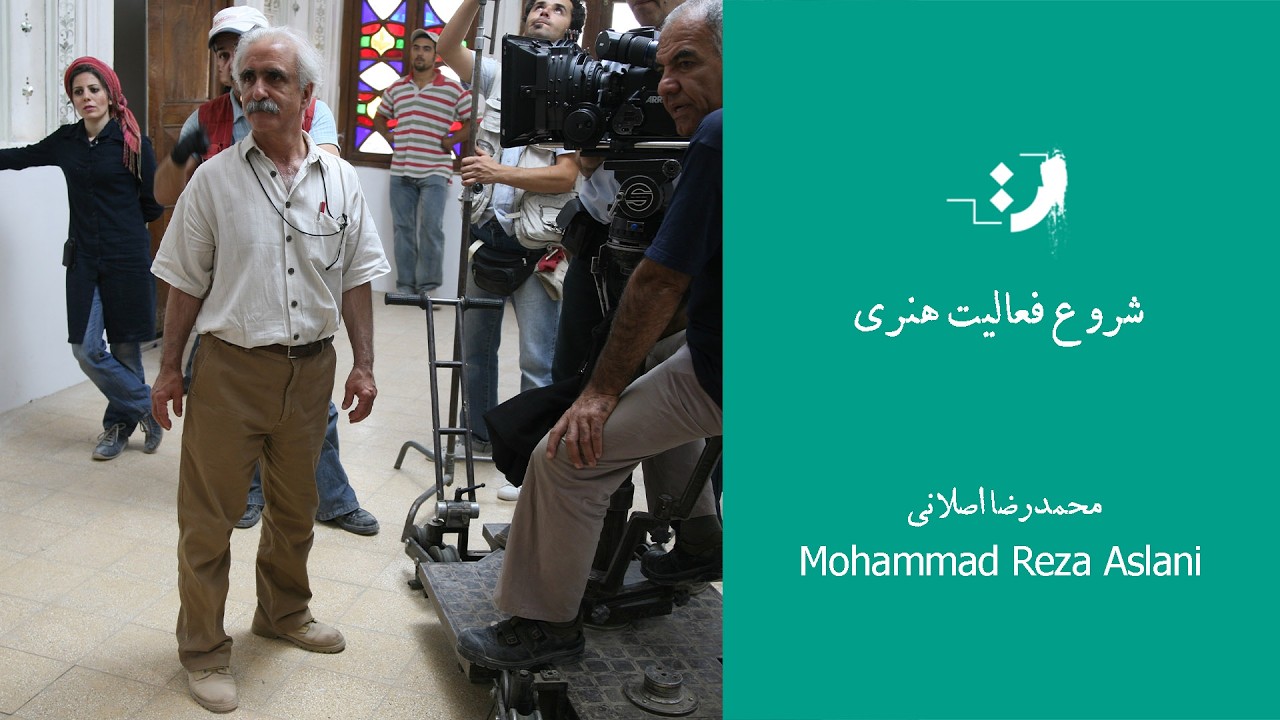
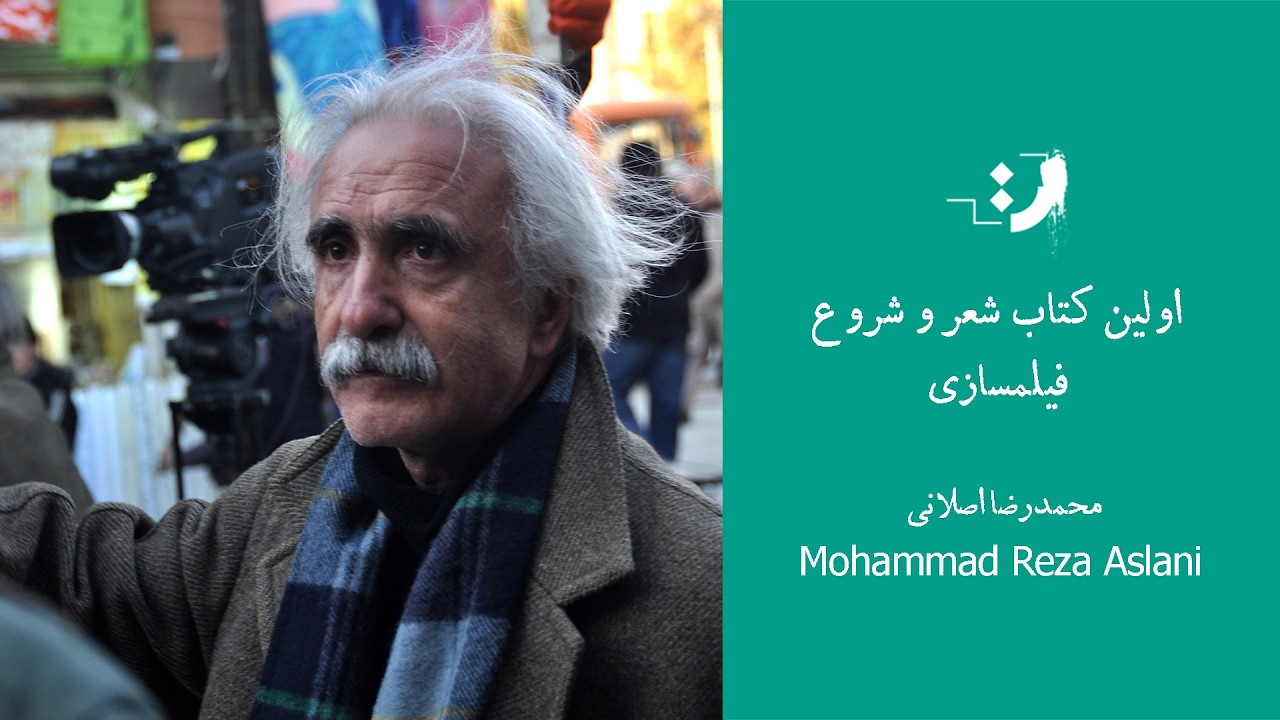
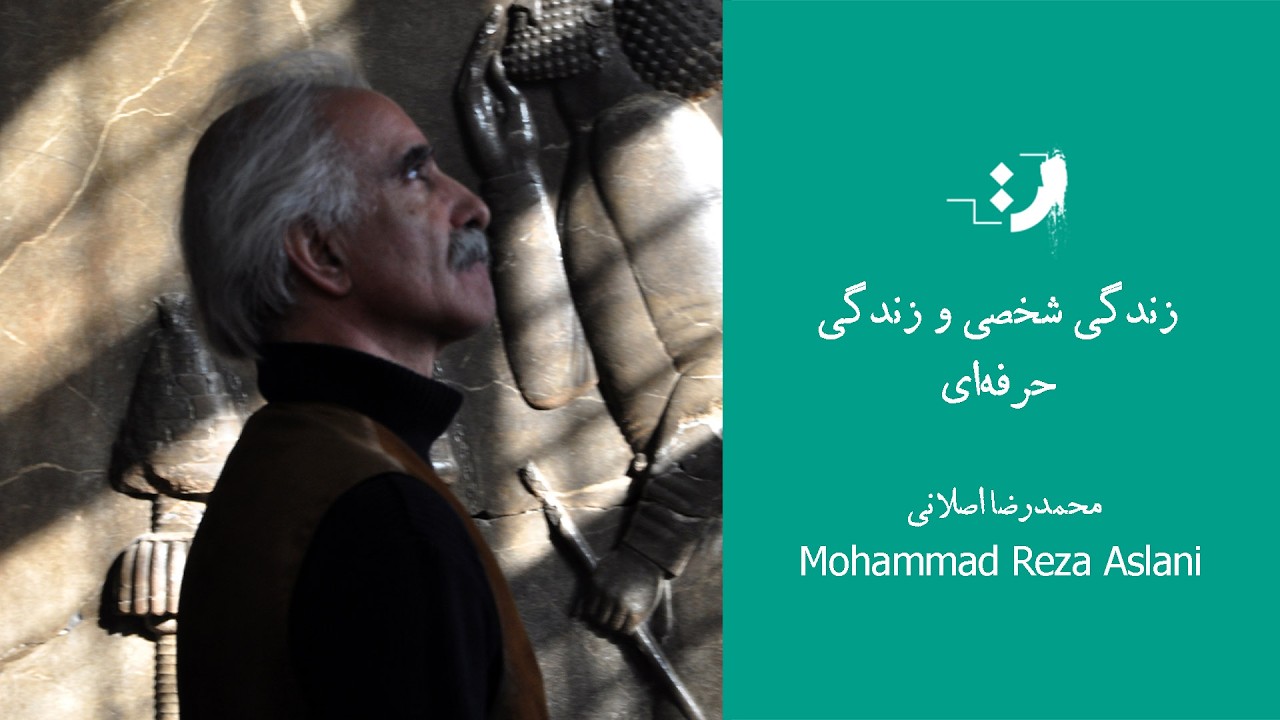
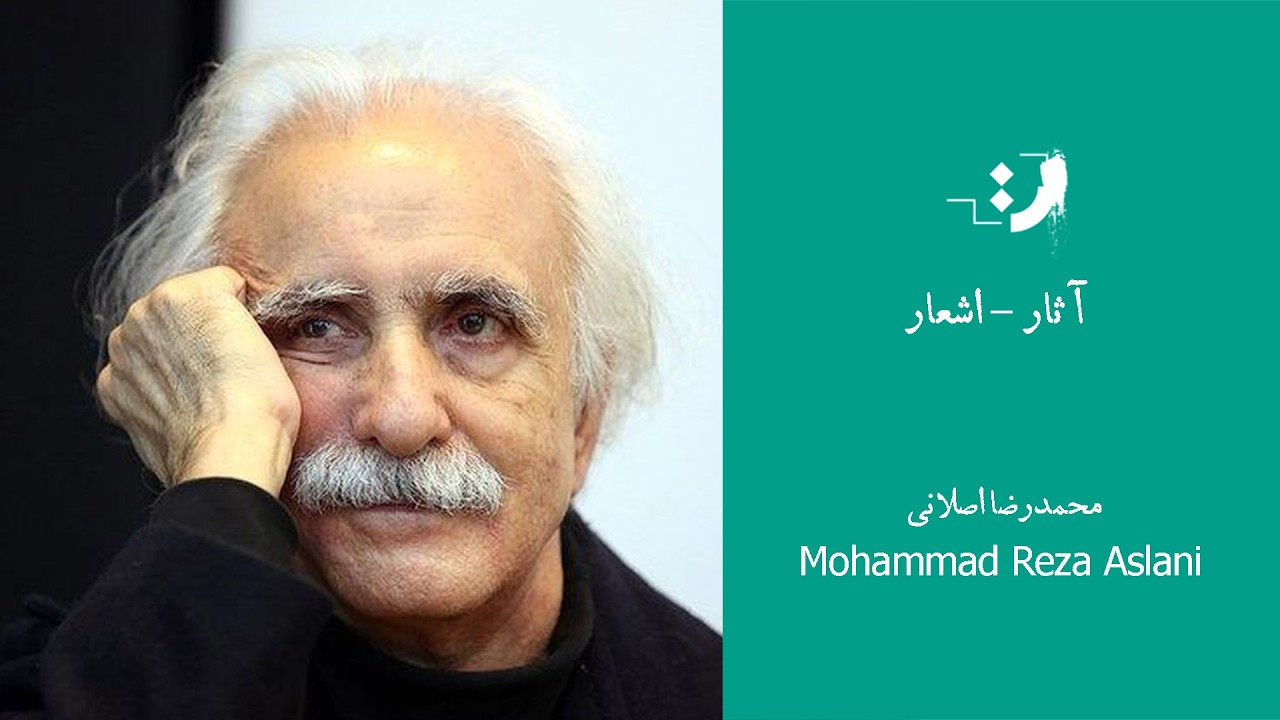
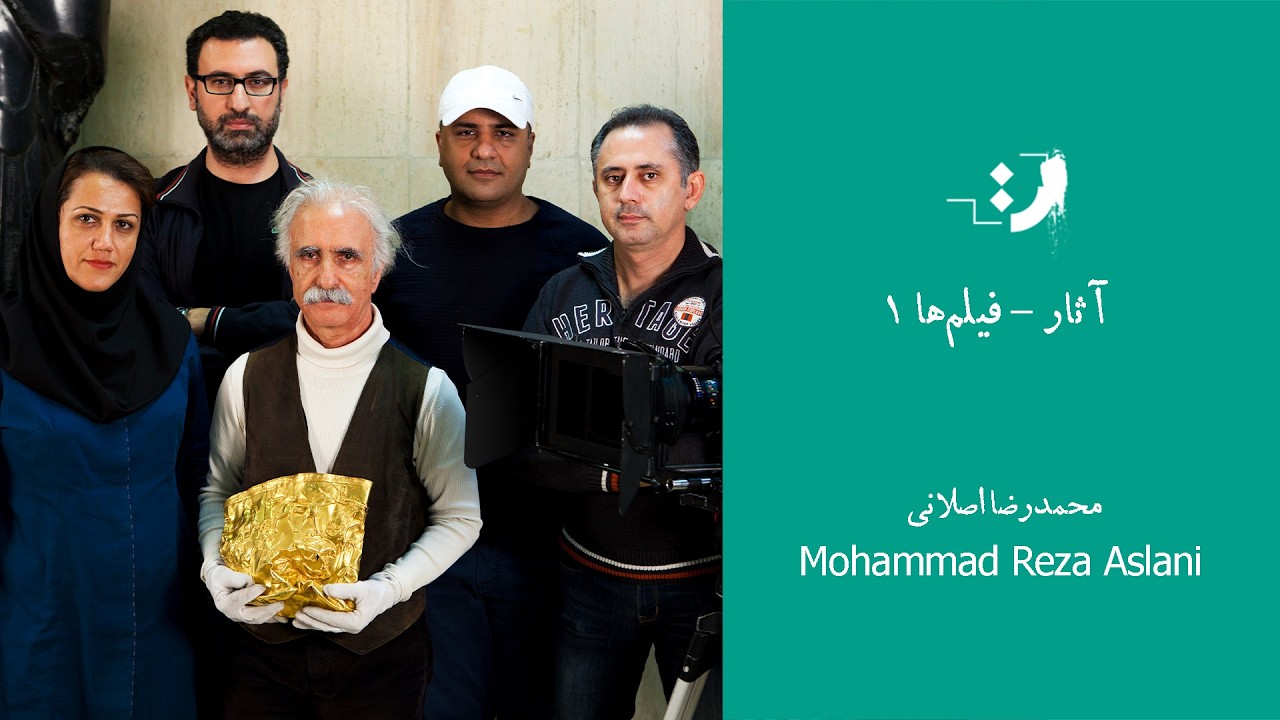
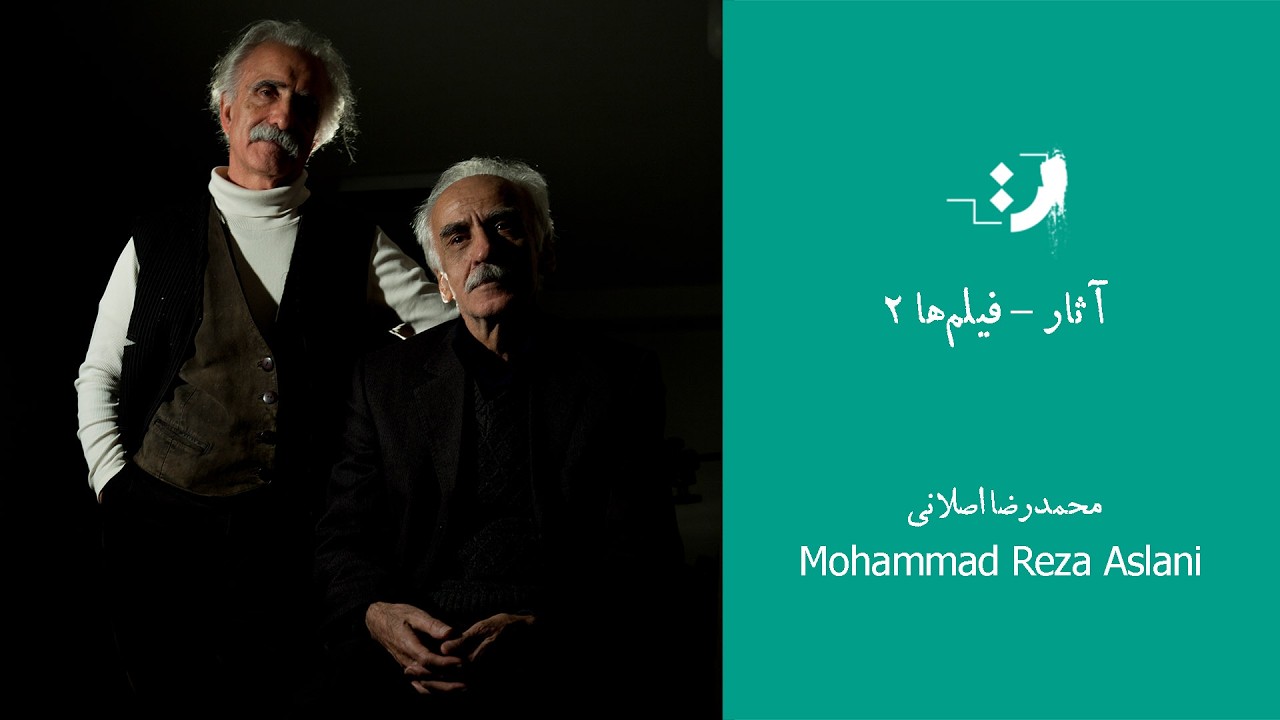
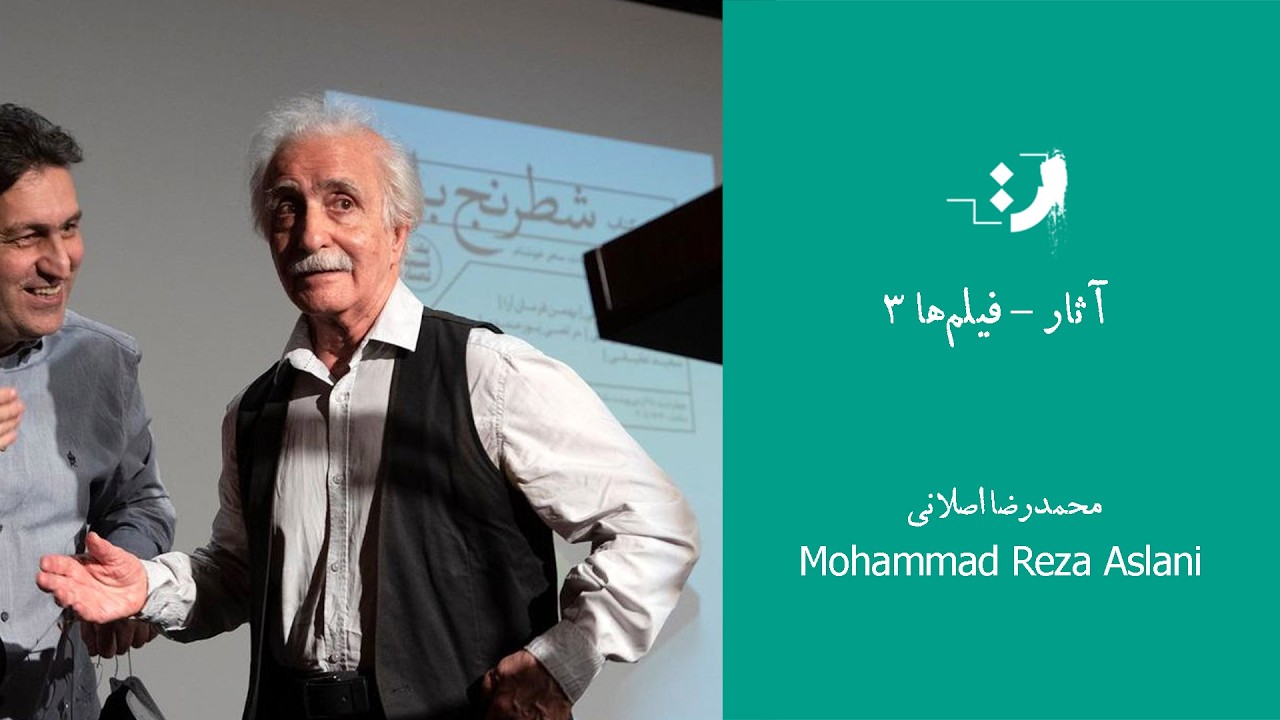
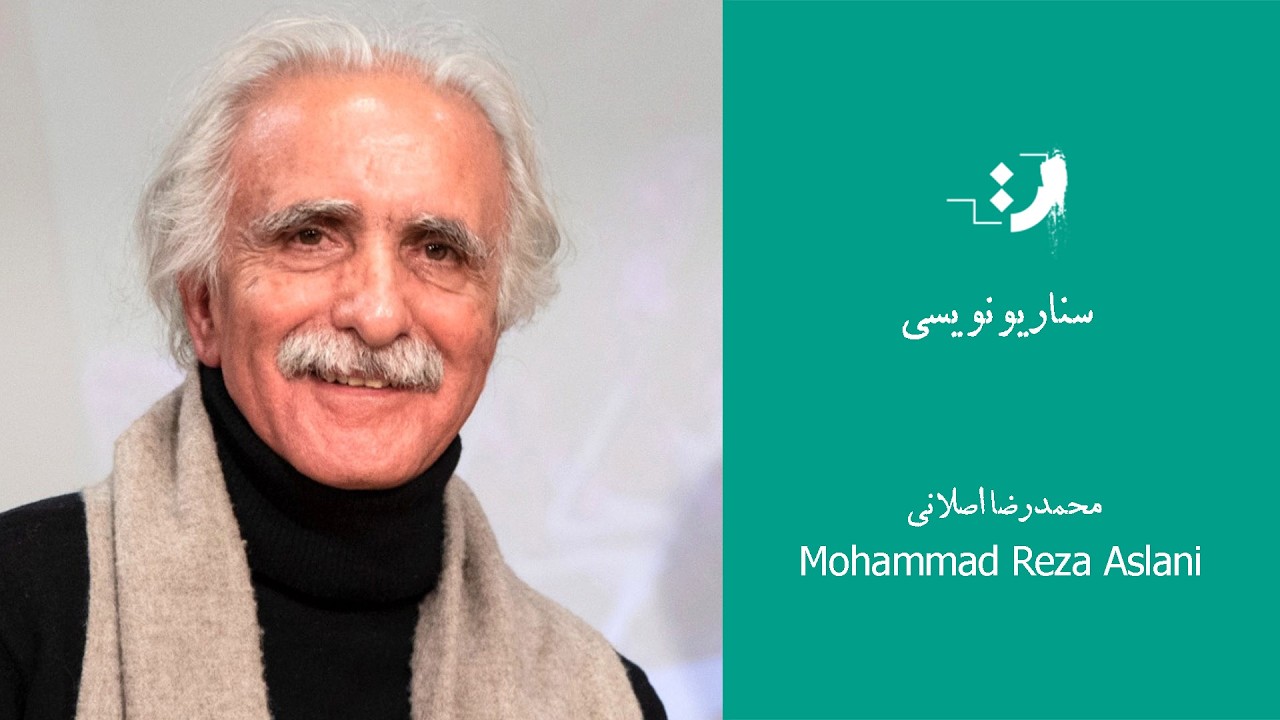
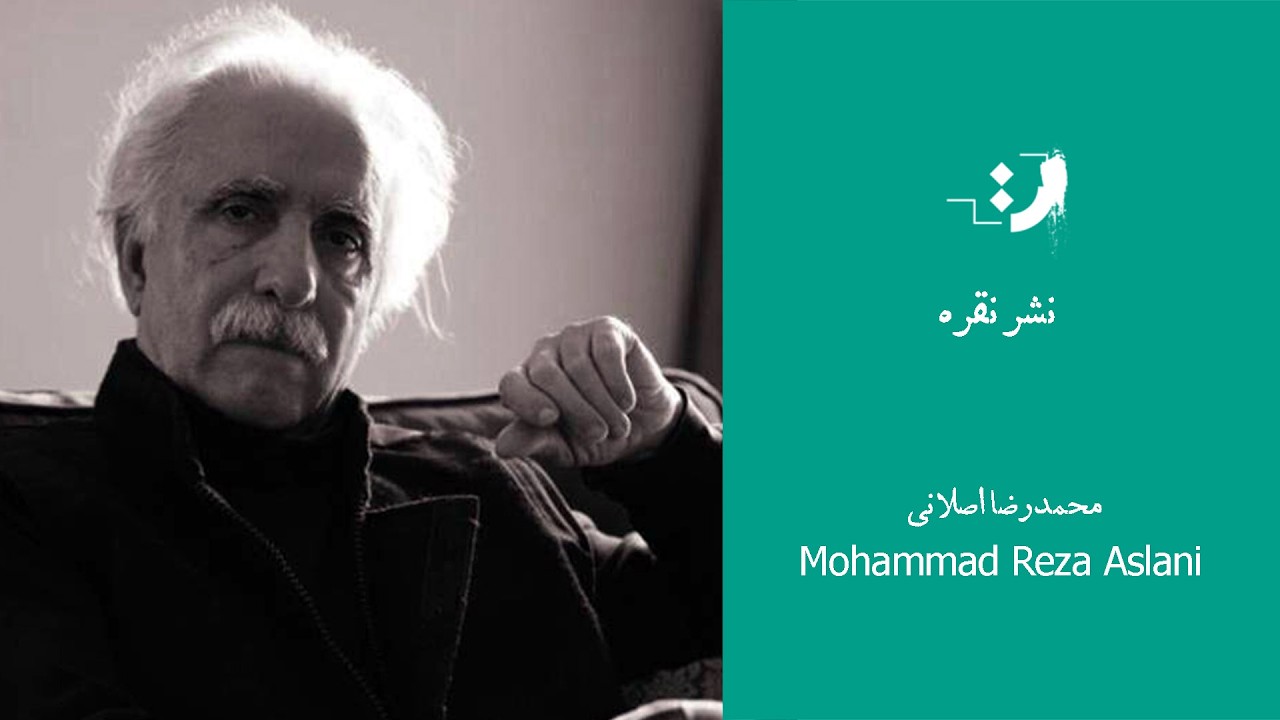
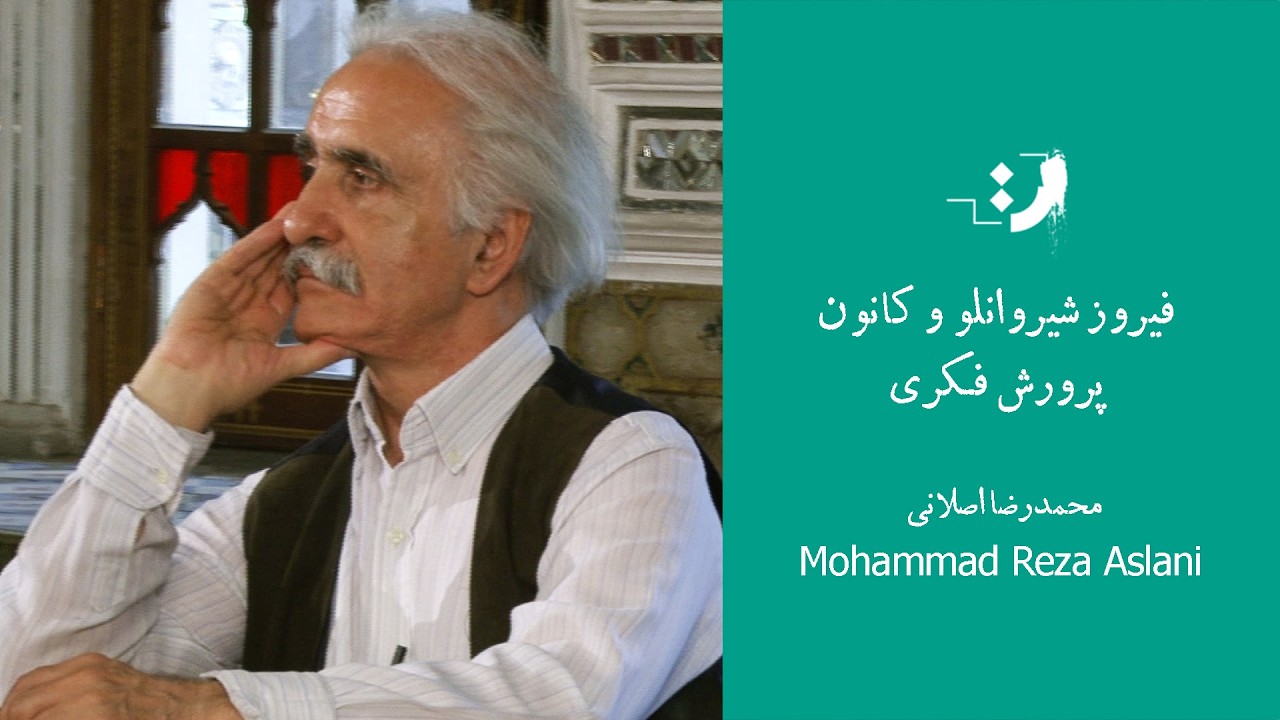
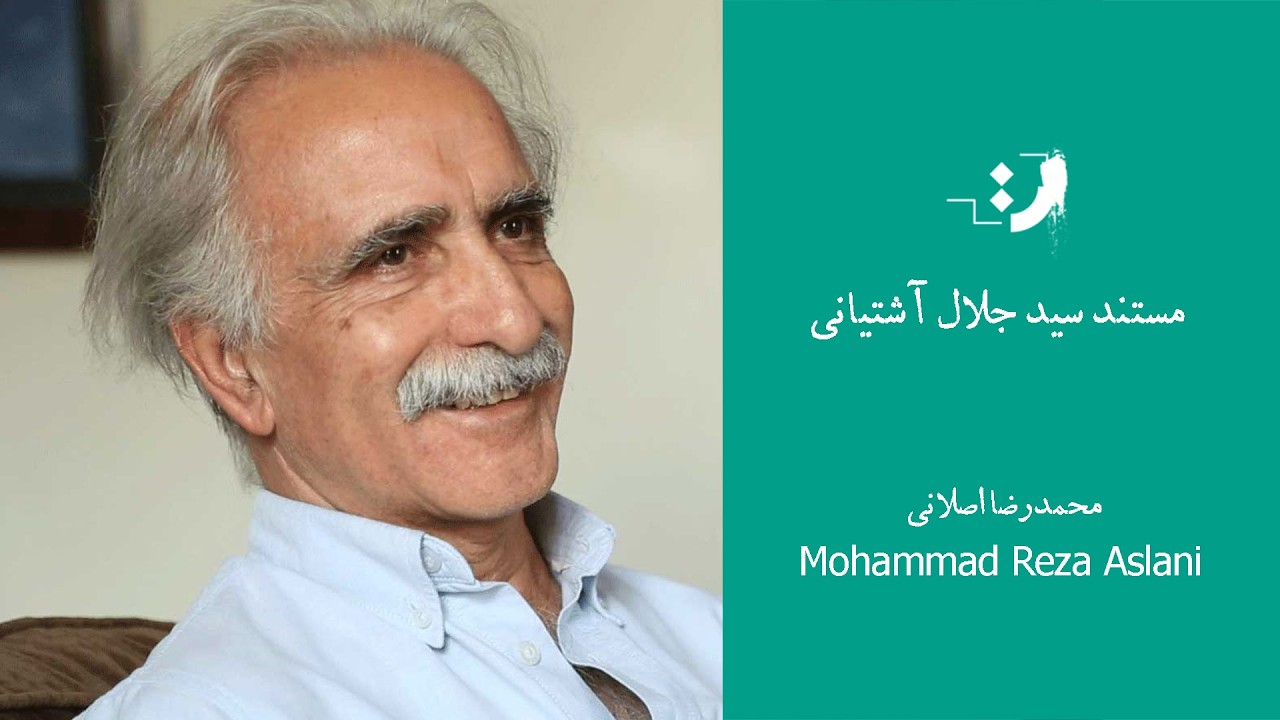
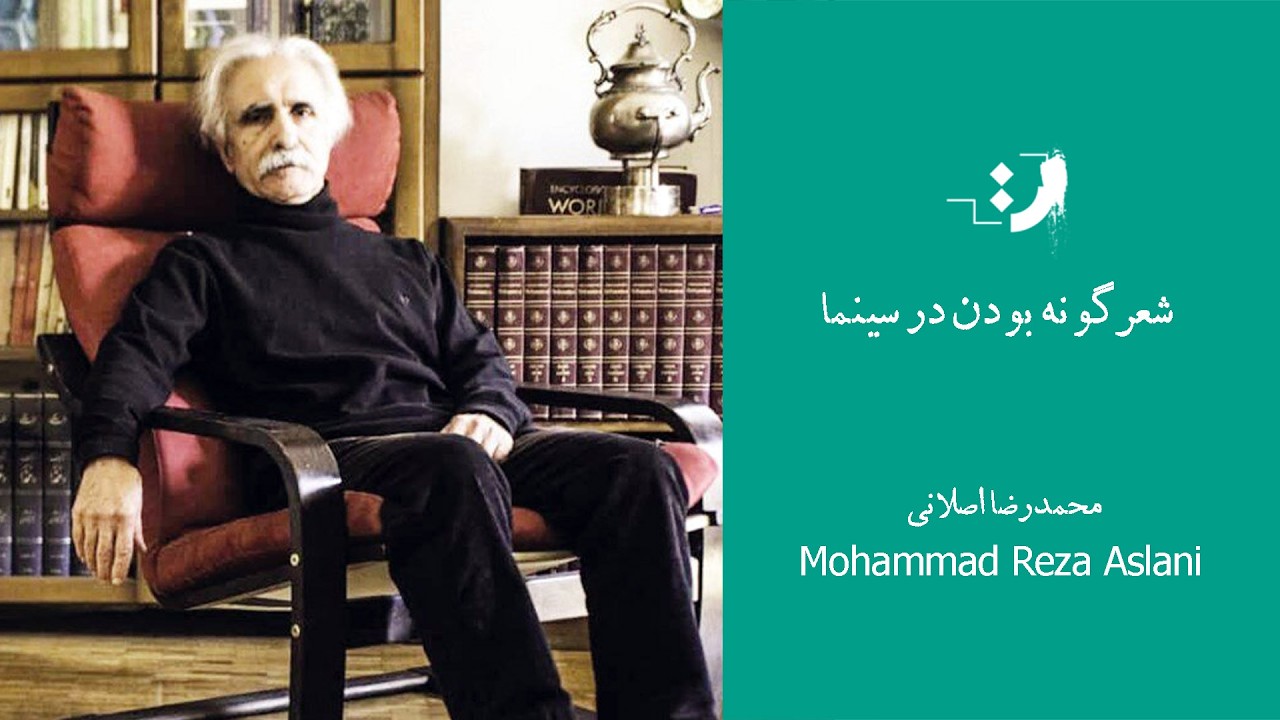
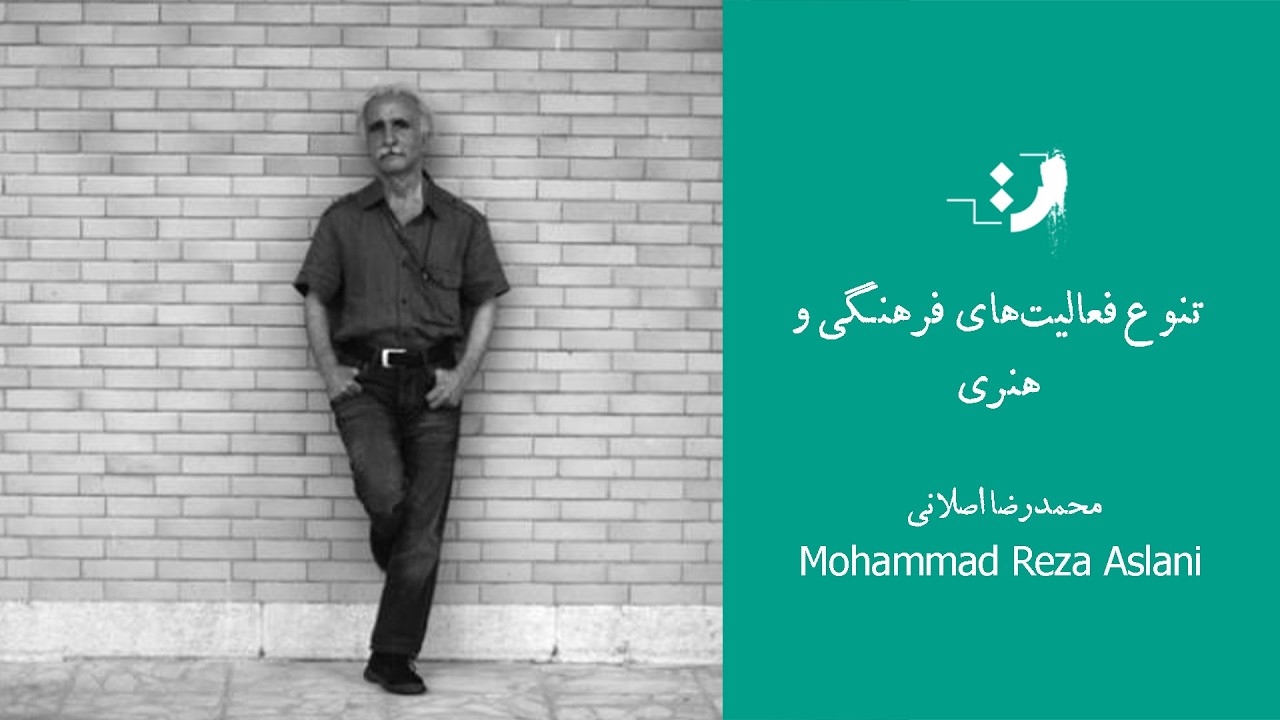
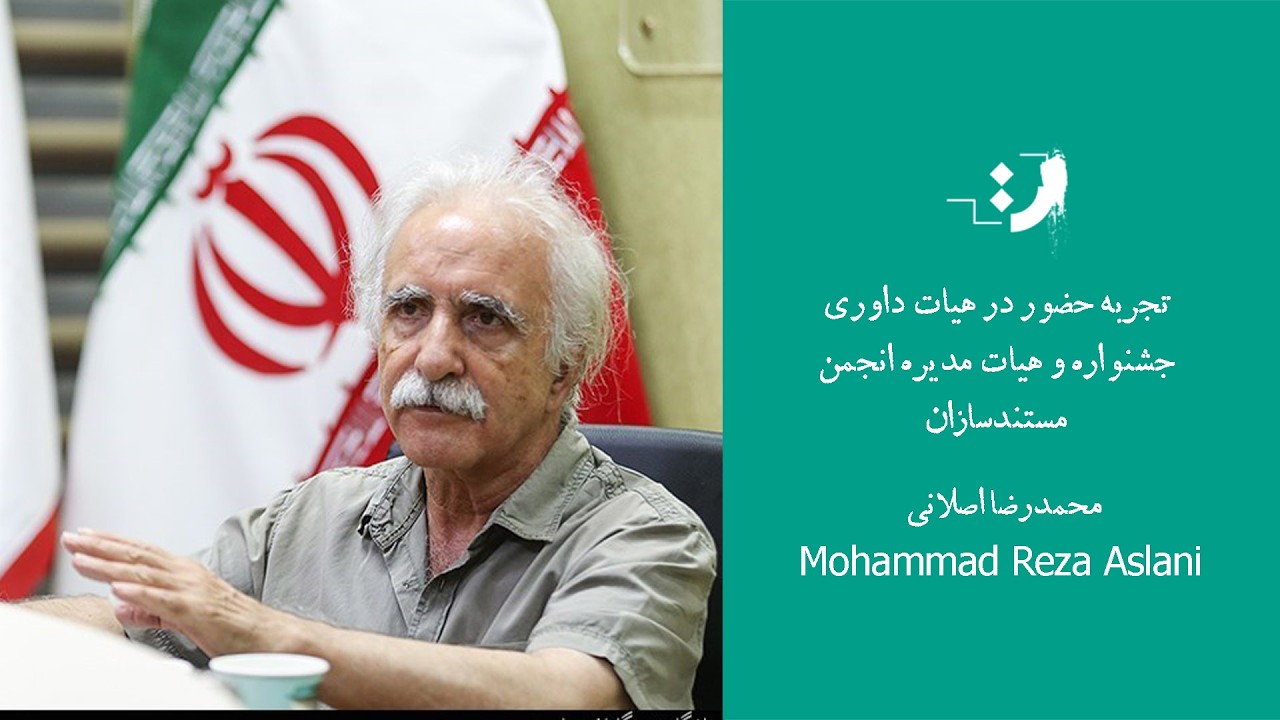
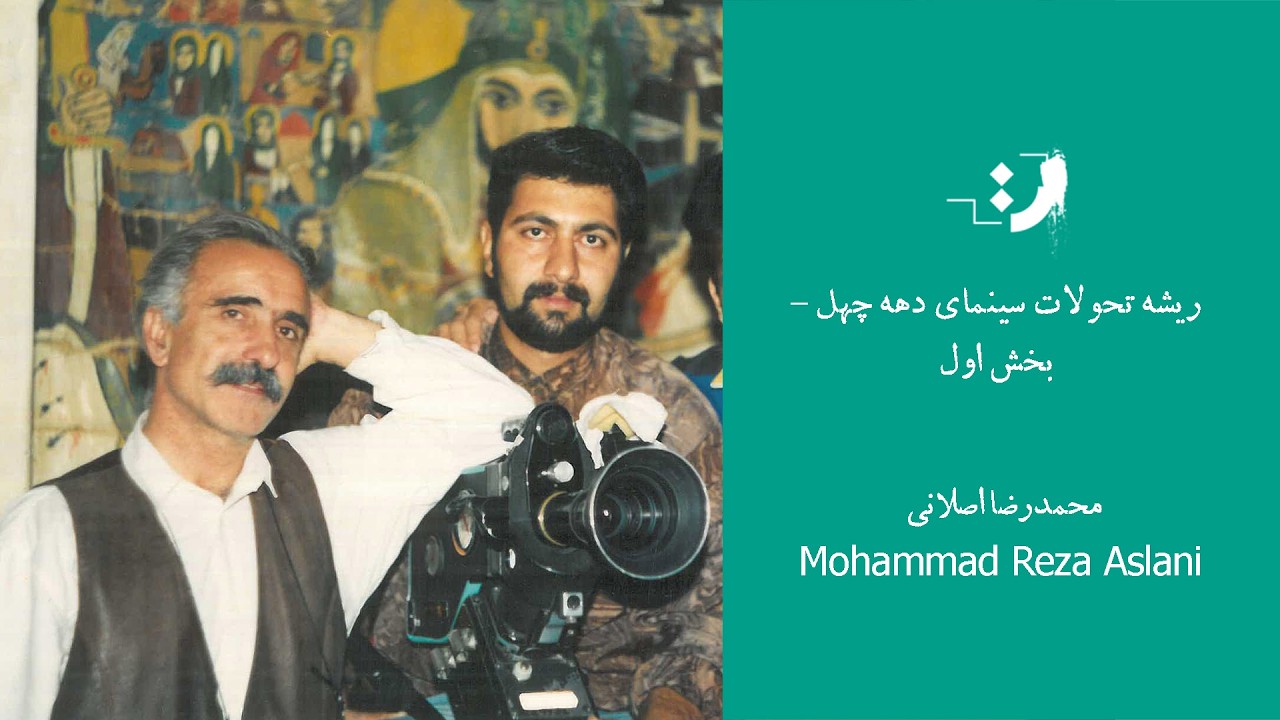
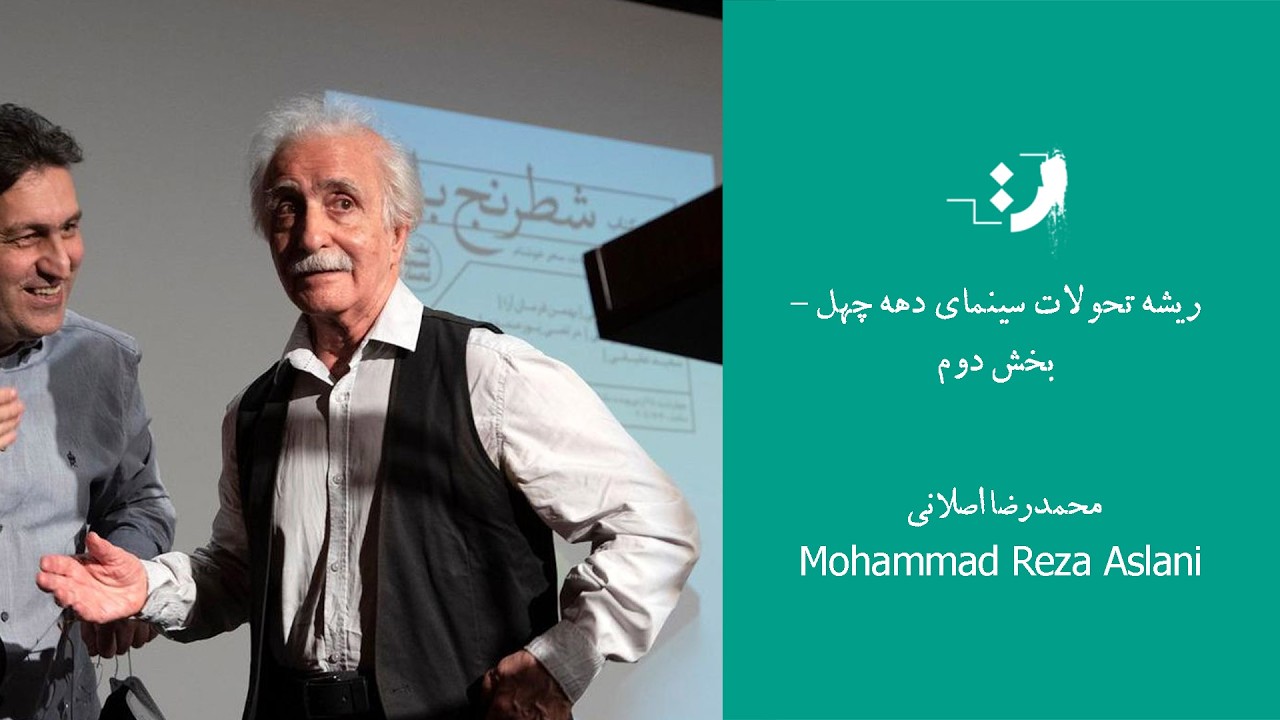
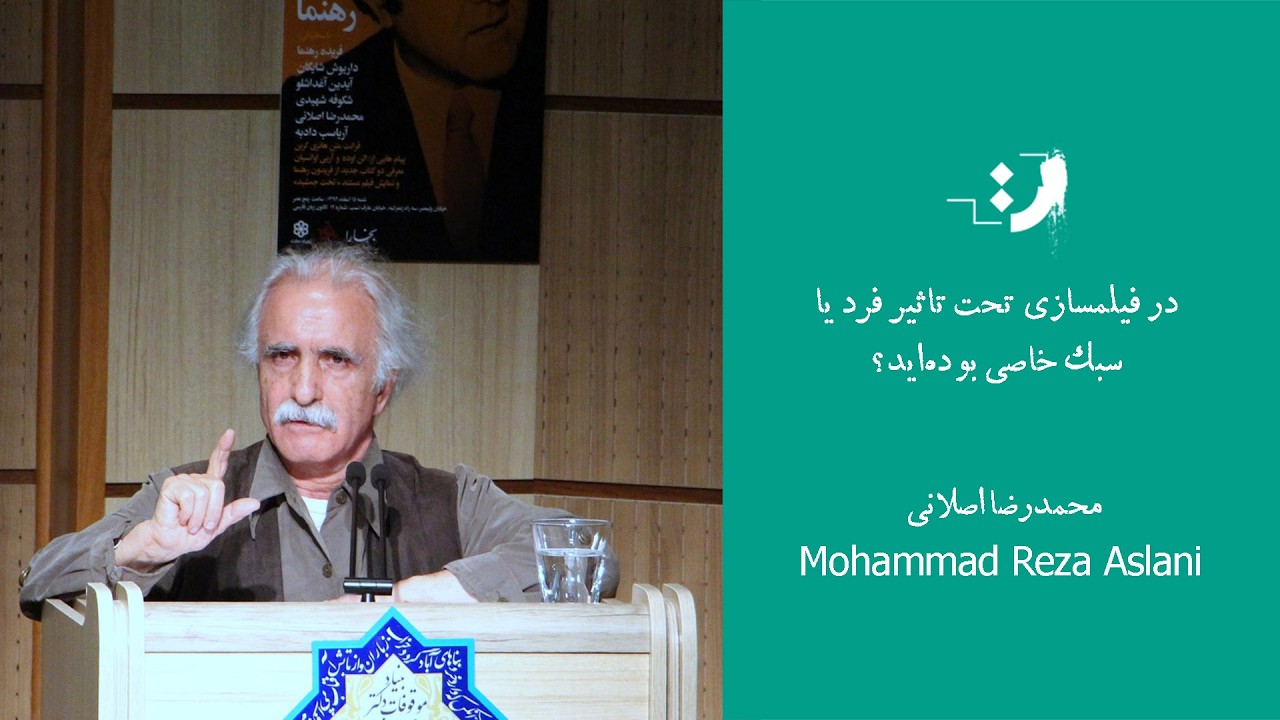
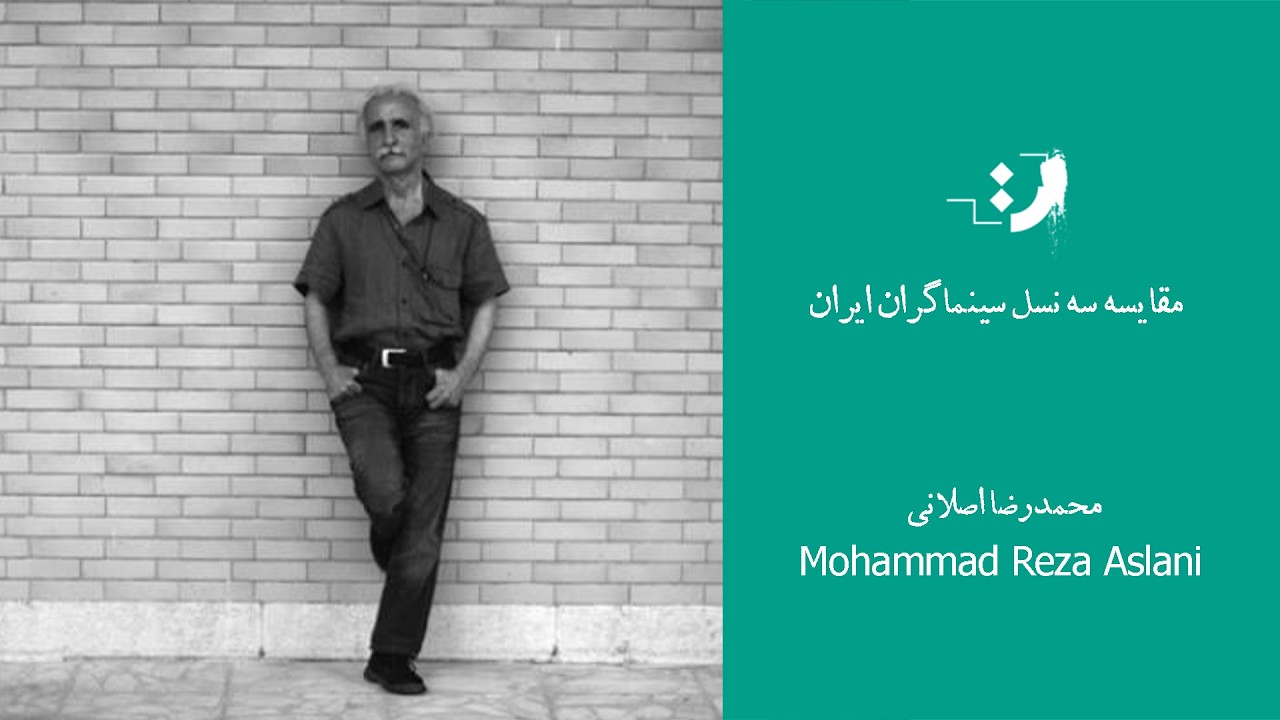
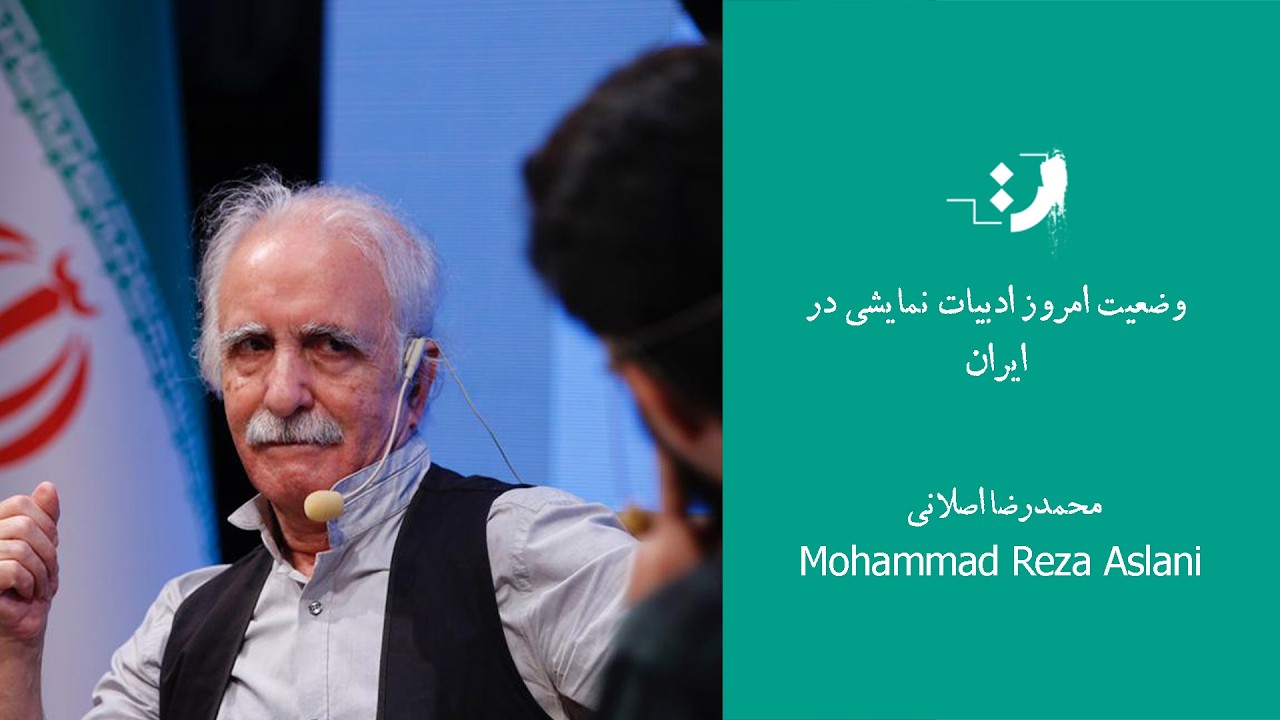
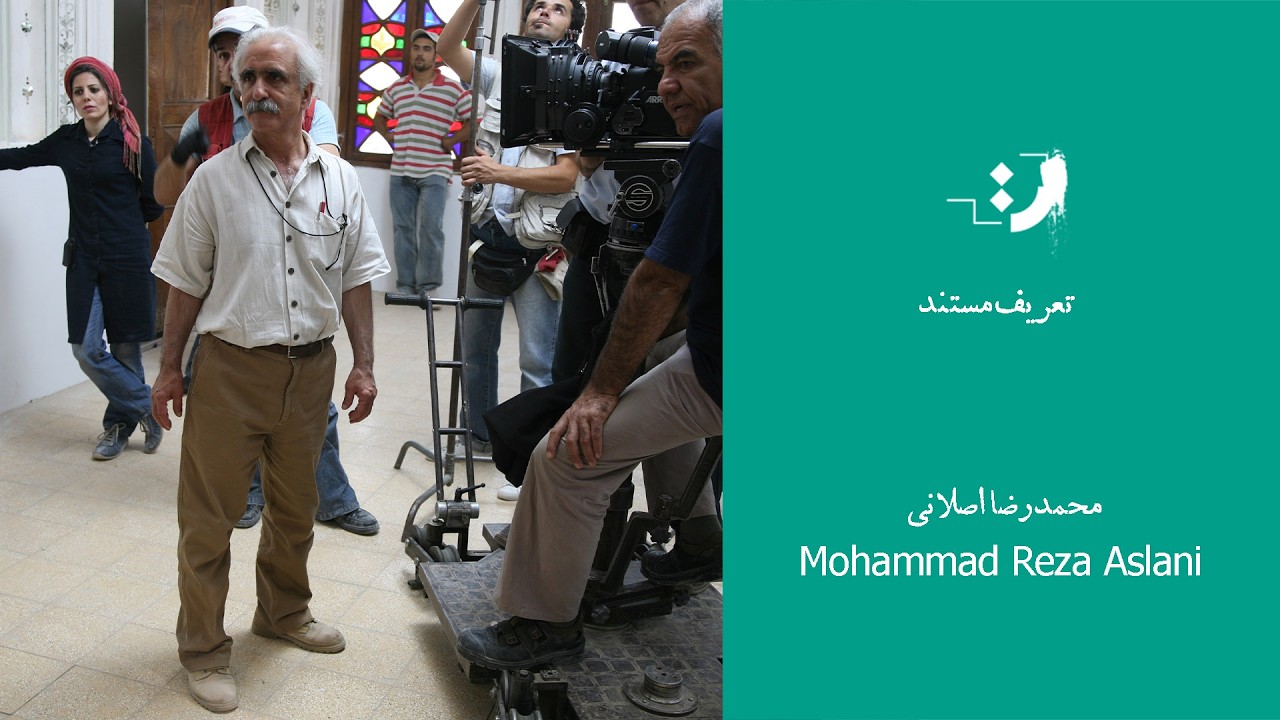
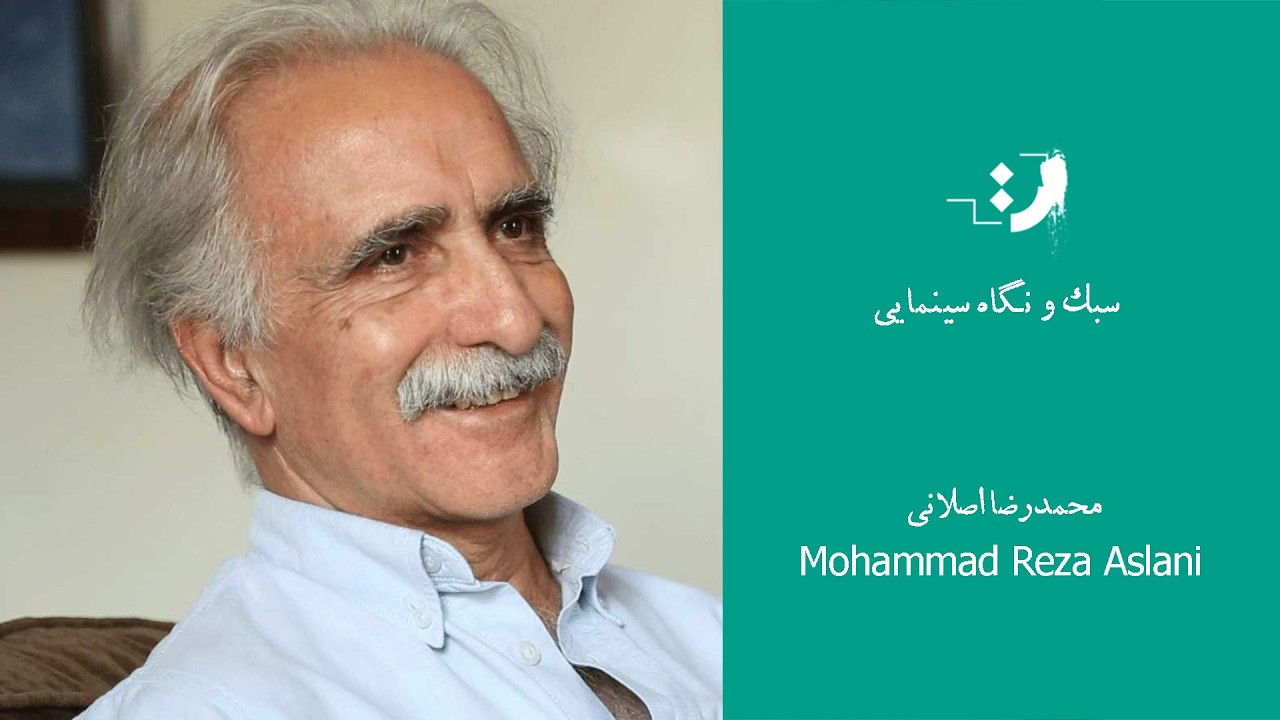
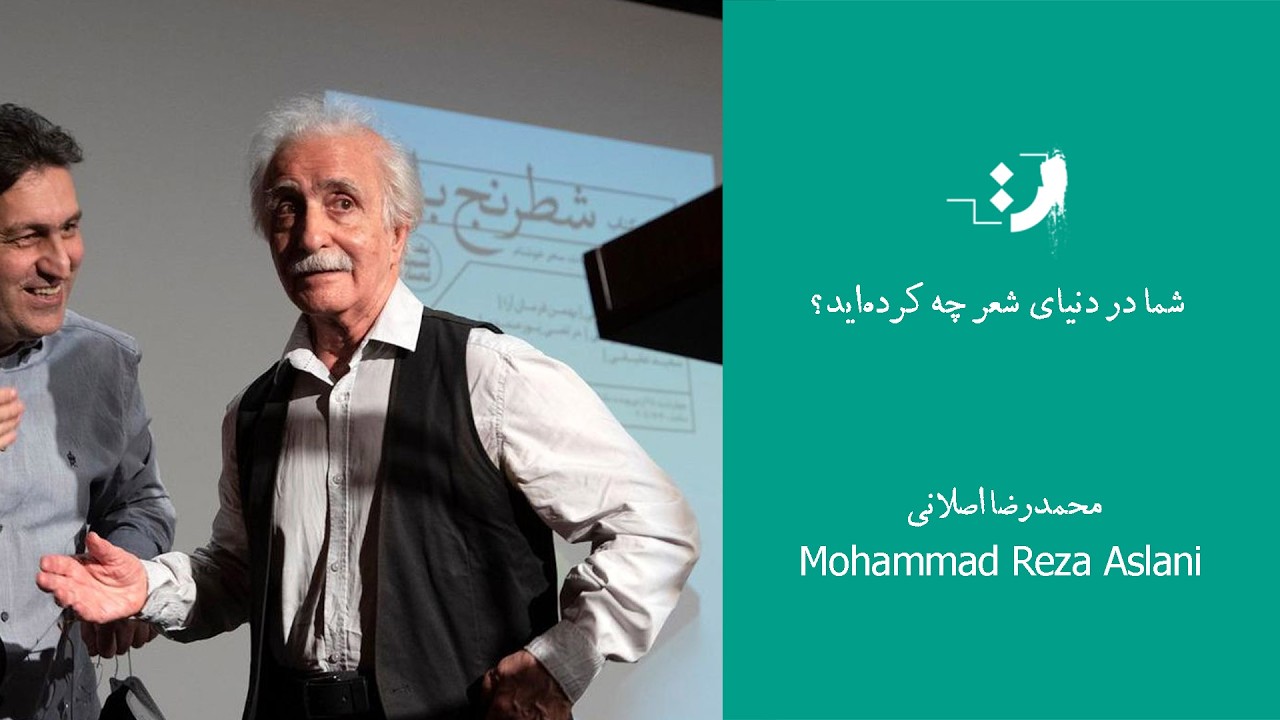
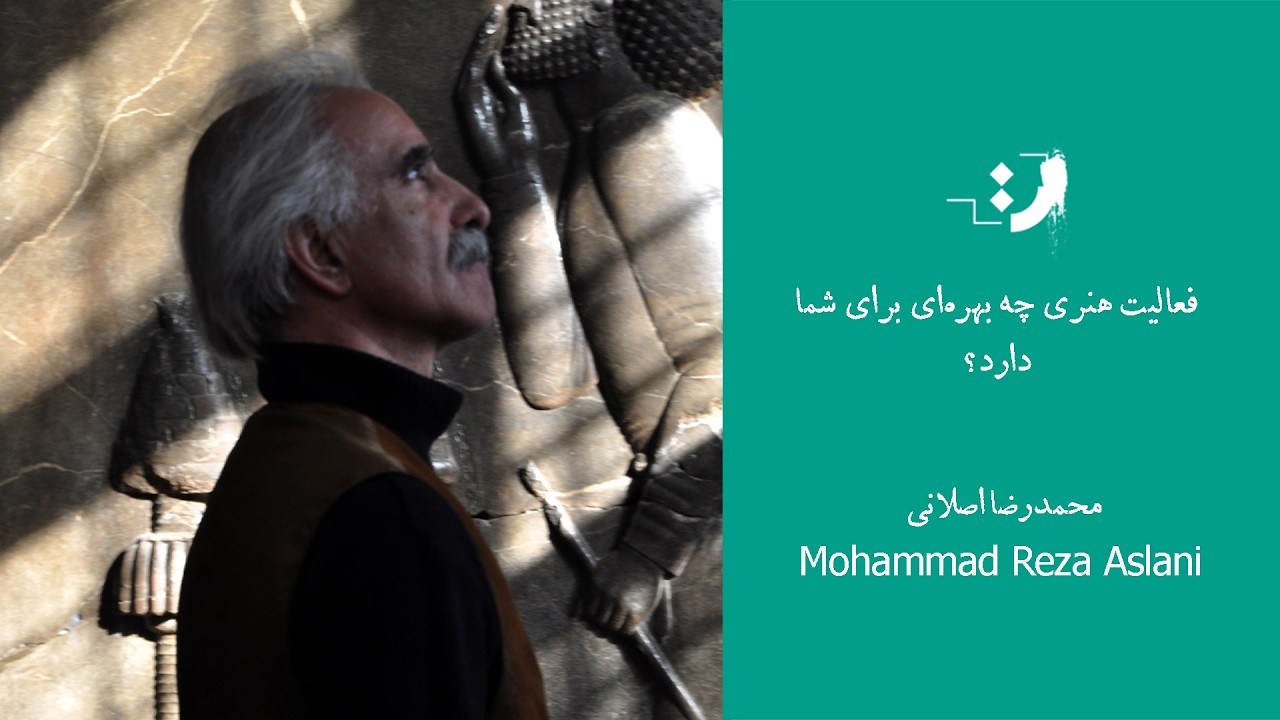
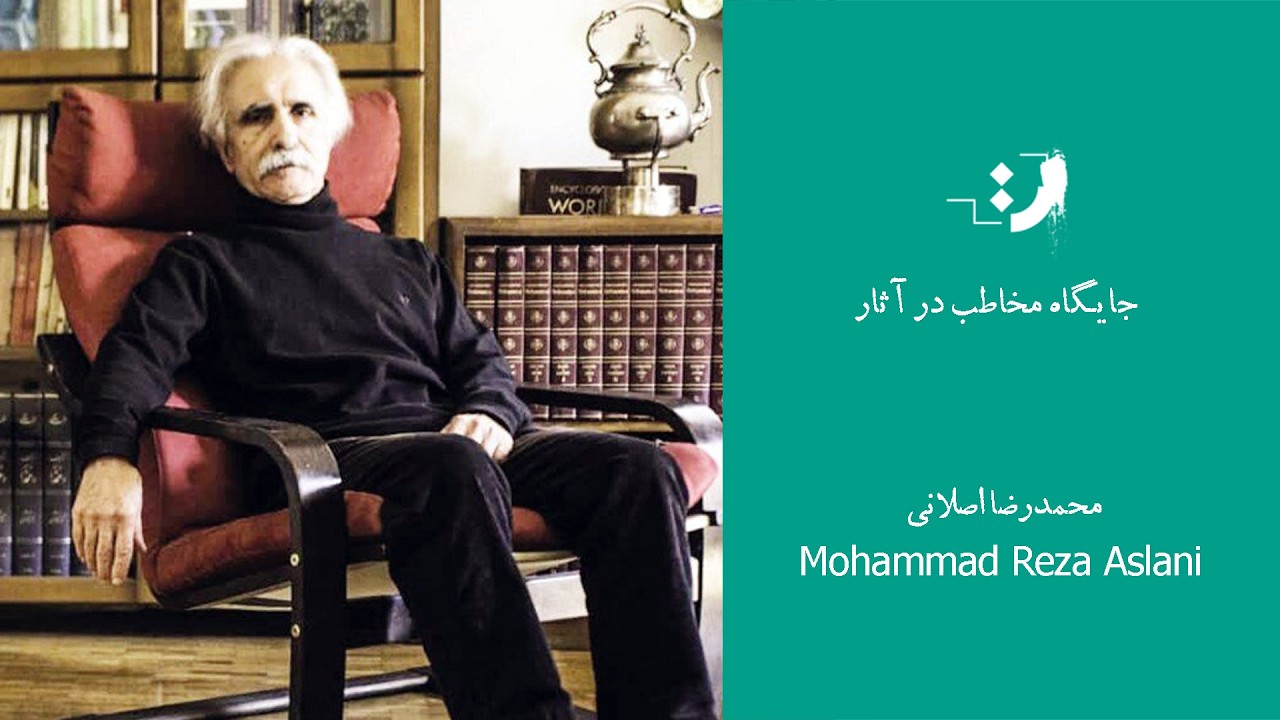
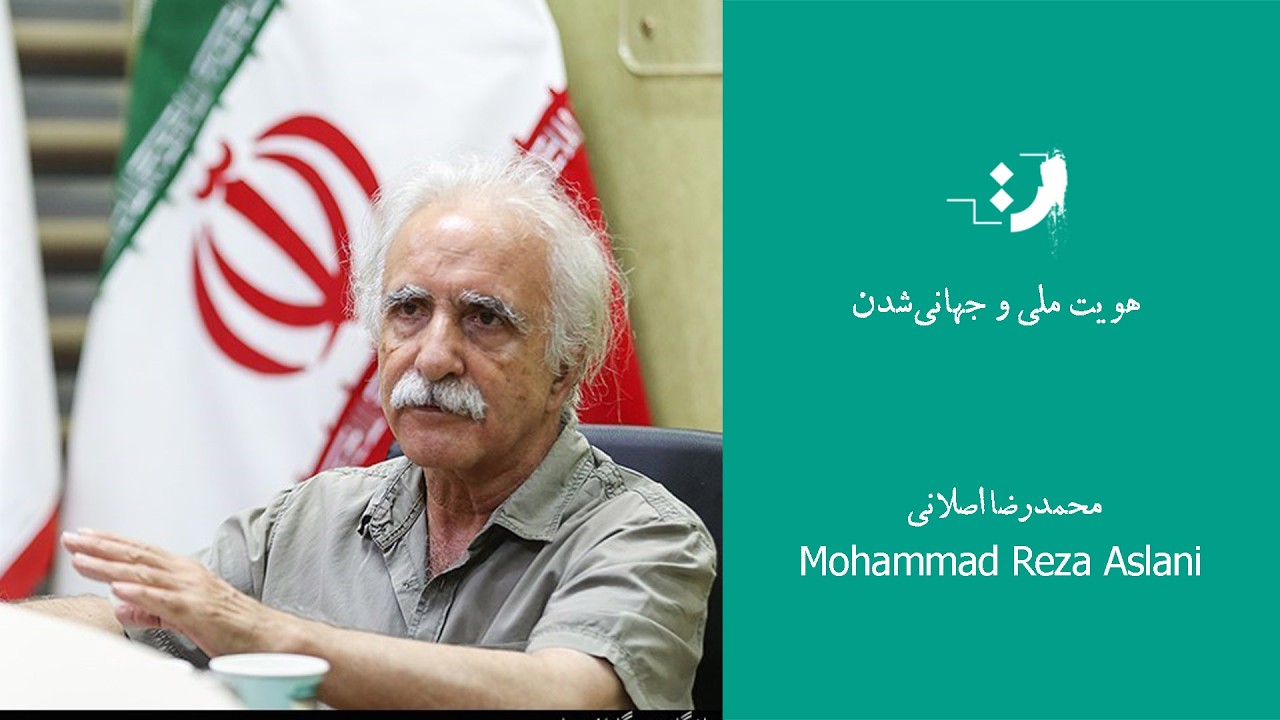
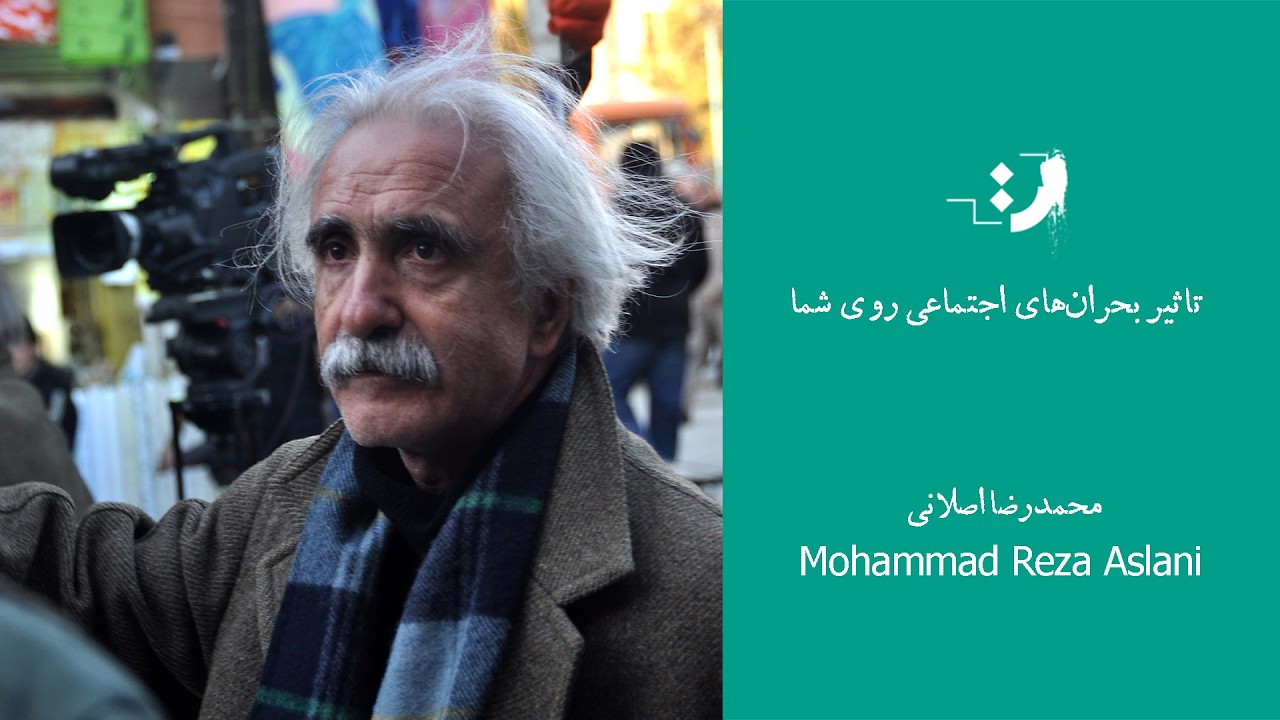
Mohammad Reza Aslani, born on 9 December 1943 in Rasht, Iran, is an Iranian poet, filmmaker, screenwriter, documentary director, graphic designer, publisher, art researcher, and film theorist. He is regarded as one of the most significant multidisciplinary figures in modern Iranian art and culture, with a career encompassing poetry, cinema, painting, graphic design, publishing, and aesthetic theory.
Aslani first gained recognition as a poet and became one of the prominent and influential figures of Iran’s New Wave Poetry movement during the 1960s. His first poetry collection, Shab-hā-ye Nimkati, Ruzhā-ye Bād (Bench Nights, Wind Days), was published in 1965 and attracted attention for its visual language, innovative structure, and painterly composition. He was later associated with the development of Espacementalism, or Volume Poetry, although he never confined his literary work to a fixed movement or style.
From the late 1960s onward, Aslani increasingly devoted himself to cinema. Through his experimental documentaries, feature films, and theoretical writings, he emerged as a major figure in Iranian art cinema. His work is distinguished by its combination of visual imagery, poetry, architecture, history, mythology, and philosophical inquiry. His feature film Chess of the Wind is now widely regarded as a landmark of Iranian modernist cinema.
Education
Aslani studied painting at the Faculty of Decorative Arts, which later became the University of Art in Tehran. The curriculum exposed him directly to modern painting, architecture, and visual thought rather than exclusively to classical artistic traditions. This education had a lasting influence on both his poetry and filmmaking.
He also attended the first filmmaking program at the Technical School of Television and Cinema, where he received specialized training in filmmaking and production design. During his student years, he regularly attended screenings at the Tehran Film Club, where he became acquainted with major works of international art cinema.
Activities and Works
Poetry and Literature
Aslani began his professional career as a poet. He was an influential figure in Iranian New Wave Poetry and developed a poetic language that moved away from the conventional musicality of Nimaic poetry and the emotional spontaneity found in the work of some of his contemporaries.
His poetry is characterized by visual construction, the autonomy of words, everyday and journalistic language, declarative sentences, and painterly composition. Among his principal poetry collections are:
- Shab-hā-ye Nimkati, Ruzhā-ye Bād (Bench Nights, Wind Days), 1965
- Bar Tafāzol-e Do Maghreb (On the Differential of Two Occidents), 1975
- Sug-nāmeh-ye Sāl-hā-ye Mamnu‘ (Elegy for the Forbidden Years), 1978
- Hezār Bādeh-ye Hezār Bād dar Hezāreh-hā-ye Shab-e Tu-bar-Tu, a historical and epic poem published in 2019 after several decades
His poetic thought was influenced by modern painting, Imagism, and the ideas of artists such as Wassily Kandinsky. Aslani considers painting not merely an artistic medium but a worldview capable of transforming the world into a visual text. In his view, words can generate images from within themselves, and poetry should not be reduced to emotional expression.
Cinema and Documentary Filmmaking
Aslani began his cinematic career with experimental and documentary films. His first film, The Golden Bowl of Hasanlu, was produced by the Iranian filmmaker and theorist Fereydoun Rahnema. Combining images of the motifs on the ancient Hasanlu Bowl with mystical texts and classical music, the film became an important example of Iranian poetic and experimental cinema.
His major documentary and experimental works include:
- The Golden Bowl of Hasanlu and the Story of the One Who Asks
- Bad Badeh and the Story of a Boy Who Asks
- Occidental Exile
- The Congregational Mosque of Fahraj
- Tarikhaneh
- The Legacy of Ancient Monuments
- Mash Esmaeil
- Abu Rayhan Biruni
- Child and Exploitation
- Chigh
- The Heart of the World
- Memoirs of a Seventy-Five-Year-Old
- The Hands of Ecbatana
- What a Pleasant Sun Shone Within Him
- Tehran: Conceptual Art
- A House as Vast as Consciousness
His most celebrated feature film, Chess of the Wind, was completed in 1976. The film was poorly received during its initial release and was later banned and considered lost for decades. A surviving print was rediscovered in the 2010s and restored with the support of Martin Scorsese’s World Cinema Project. The restored version was selected for the Cannes Classics program in 2020 and subsequently received widespread international critical acclaim.
Another major feature film by Aslani is The Green Fire, a work constructed around Iranian legends, historical narratives, and mythological traditions.
Screenwriting and Television
Aslani wrote and directed several television series, including:
- Samak the Knight-Errant
- Dust of Light
- The Conference of the Birds
He also contributed screenplays to a number of important Iranian films, including:
- The Switchman, directed by Manouchehr Tayyab
- Toward the Silent City, directed by Manouchehr Tayyab
- The Morning of the Fourth Day, directed by Kamran Shirdel
- The Mongols, directed by Parviz Kimiavi
- The Impasse, directed by Amir Naderi
- Requiem, directed by Amir Naderi
- The Stone Garden, directed by Parviz Kimiavi
- Flowing Treasure, directed by Amin Aslani
- Wind over the Garden of Vision, directed by Pouyan Kazemi
- The Purple Tree, directed by Amin Aslani
Film Theory and Art Research
Alongside his filmmaking, Aslani has made important contributions to Iranian film theory. His book Degarkhāni-ye Sinemā-ye Mostanad (An Alternative Reading of Documentary Cinema) examines the philosophical, literary, and aesthetic foundations of cinema, particularly documentary filmmaking. It is regarded as one of the earliest major theoretical works on cinema written by an Iranian filmmaker.
Hasti-ye Āyeneh (The Being of the Mirror) is a collection of interviews conducted by Arash Sanjabi concerning Aslani’s life, artistic career, and theoretical ideas. Another research project, Binesh-e Tasviri dar Iran (Visual Thought in Iran), has remained unpublished.
Publishing and Graphic Design
In 1983, Aslani and his wife, the writer and researcher Soudabeh Fazaeli, founded Noghreh Publishing. The publishing house became known for its literary and artistic publications and for introducing innovative approaches to book design and layout. After a long interruption, a new generation of Noghreh Publishing resumed its activities.
Aslani has also worked in graphic design and is credited with designing the emblem of National Iranian Radio and Television.
Achievements and Awards
Mohammad Reza Aslani is recognized as a major figure in Iranian New Wave Poetry, experimental cinema, documentary filmmaking, and art theory. His principal achievement lies in creating an interdisciplinary artistic language that brings together poetry, painting, architecture, cinema, mythology, history, and philosophy.
His first poetry collection played an important role in the development of Iranian New Wave Poetry. Following its rediscovery and international restoration, Chess of the Wind was reassessed as one of the most innovative and visually accomplished works of Iranian cinema.
In 2015, Aslani received Iran’s First-Class Artistic Degree, regarded as equivalent to a doctoral degree, from the Ministry of Culture and Islamic Guidance and the Iranian Academy of the Arts.