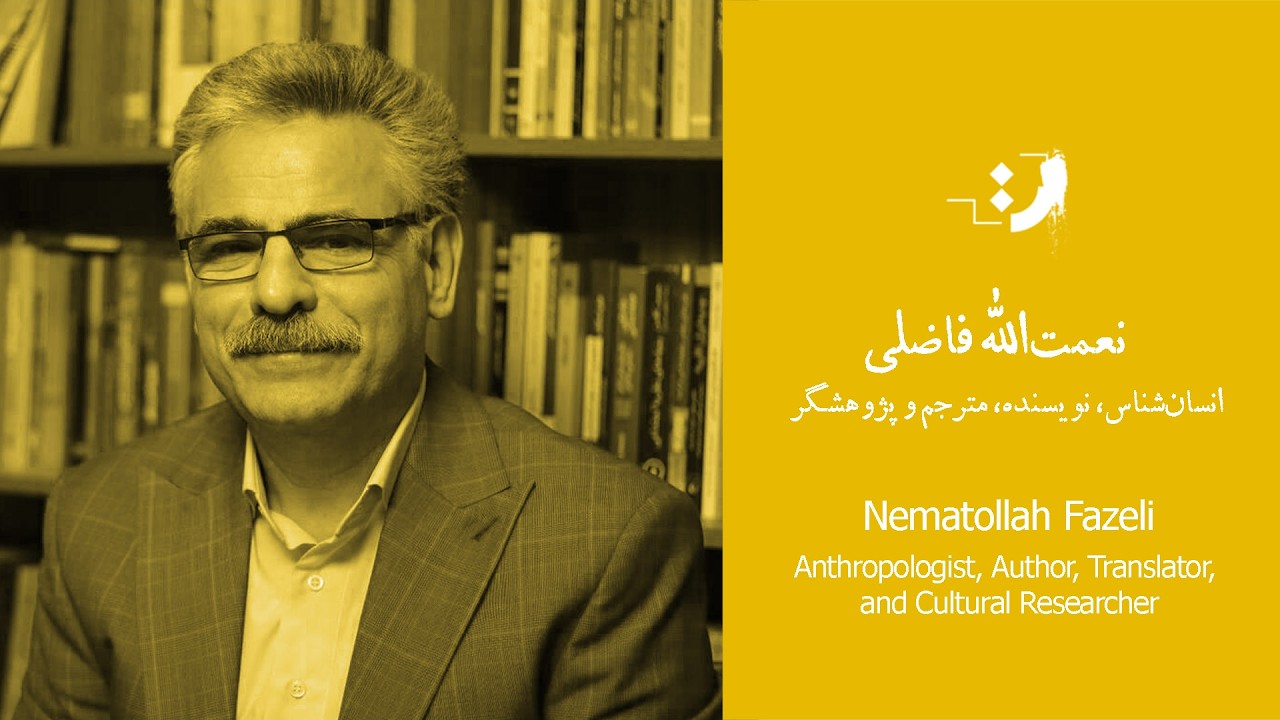
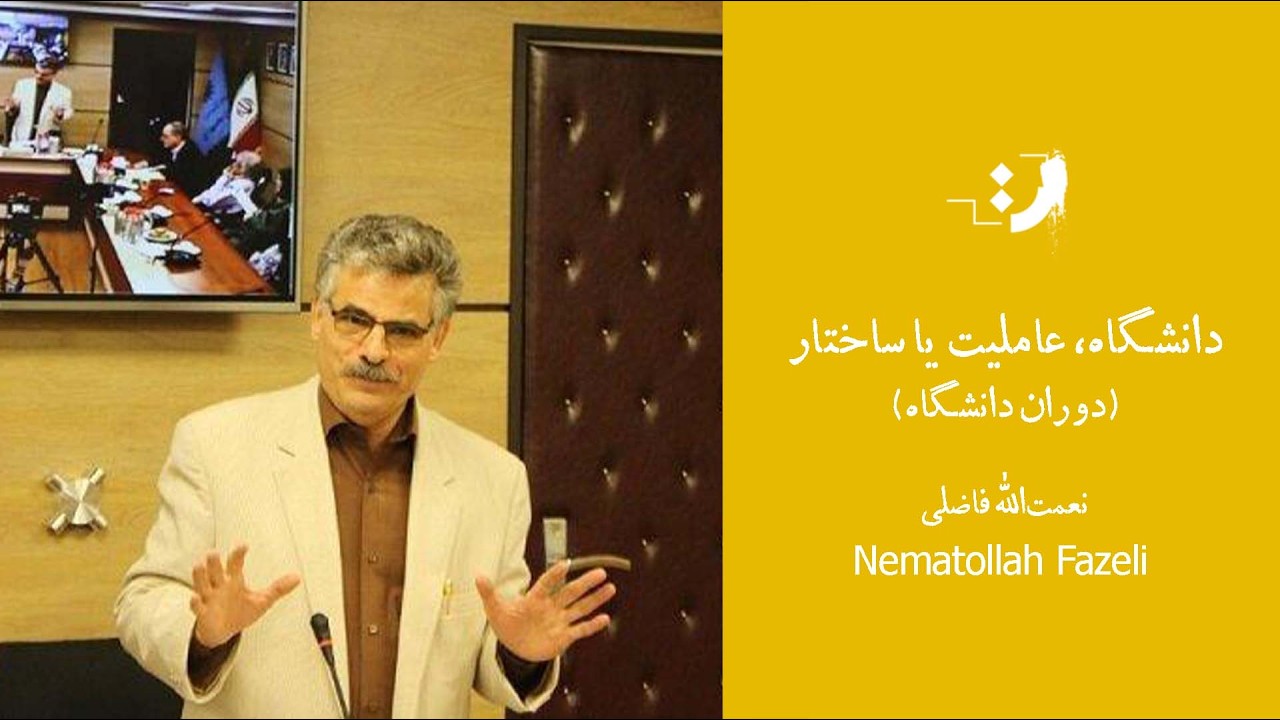
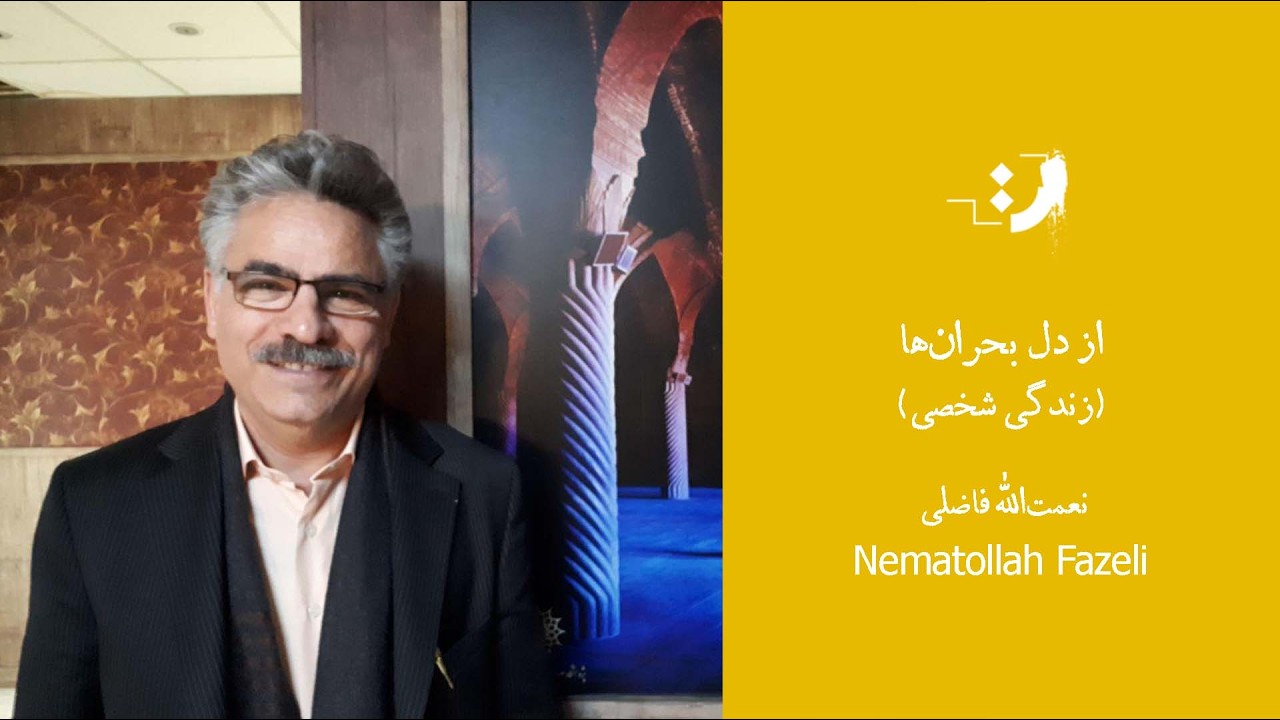
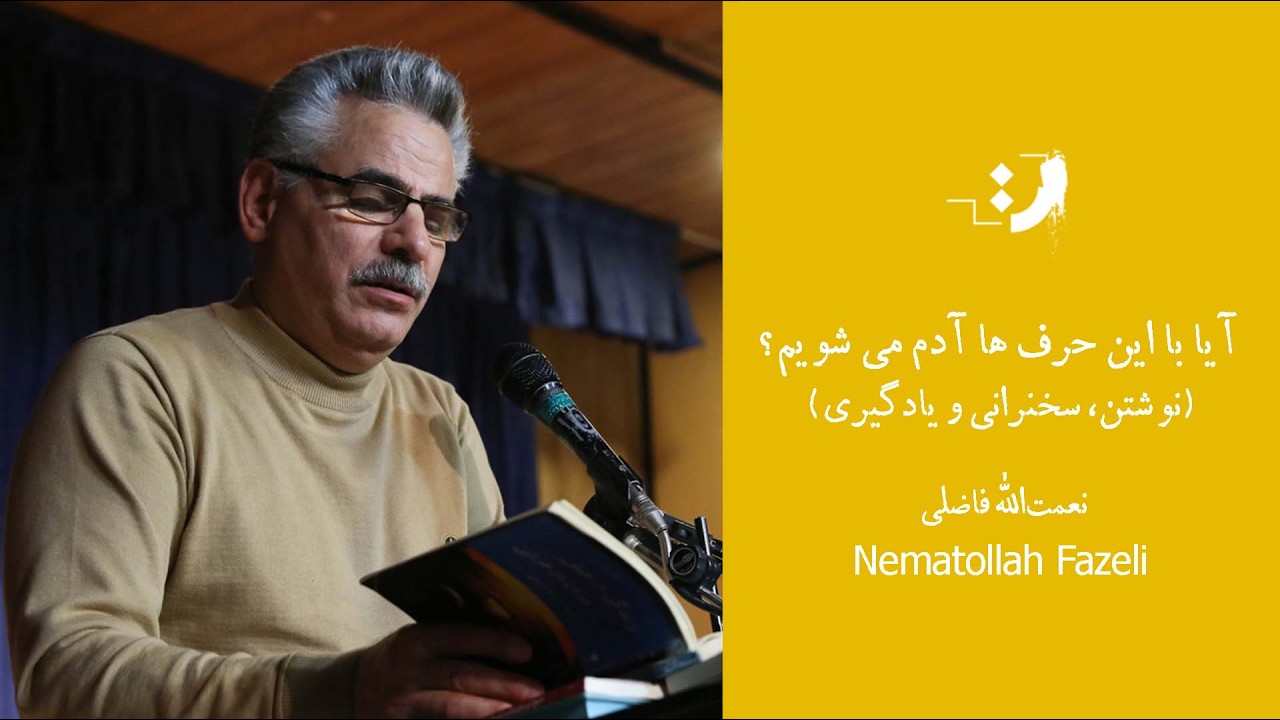
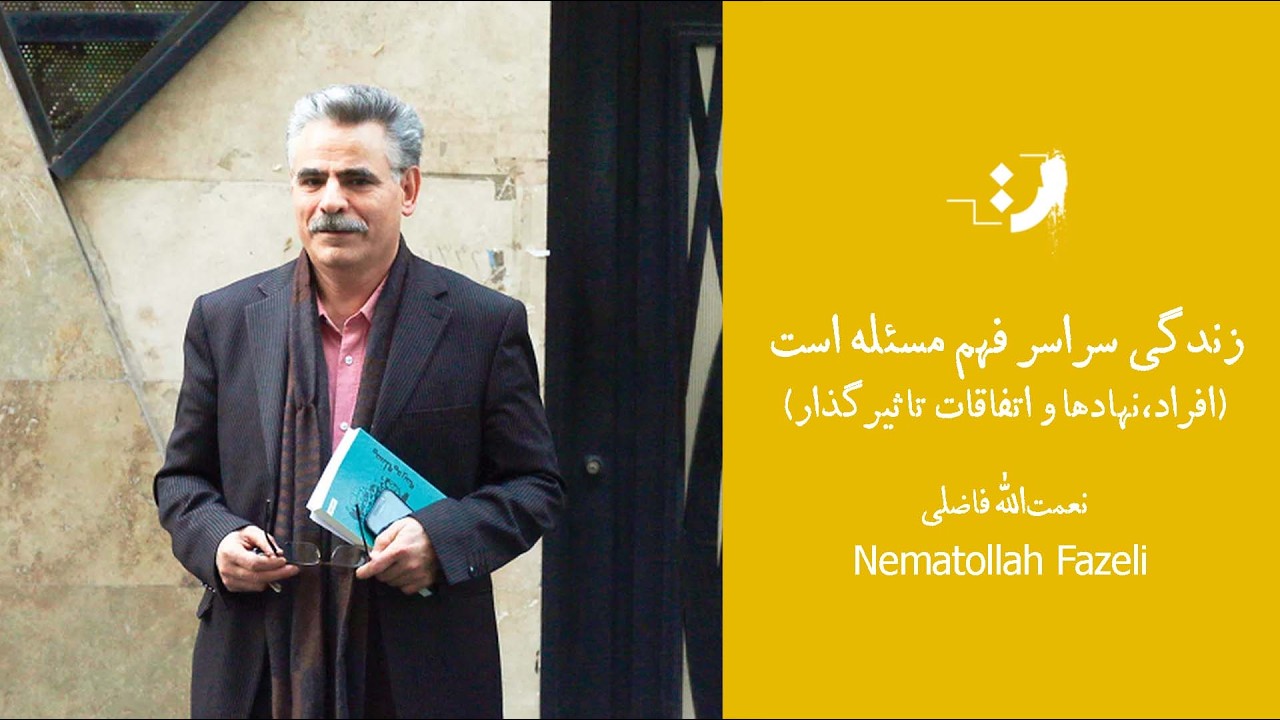
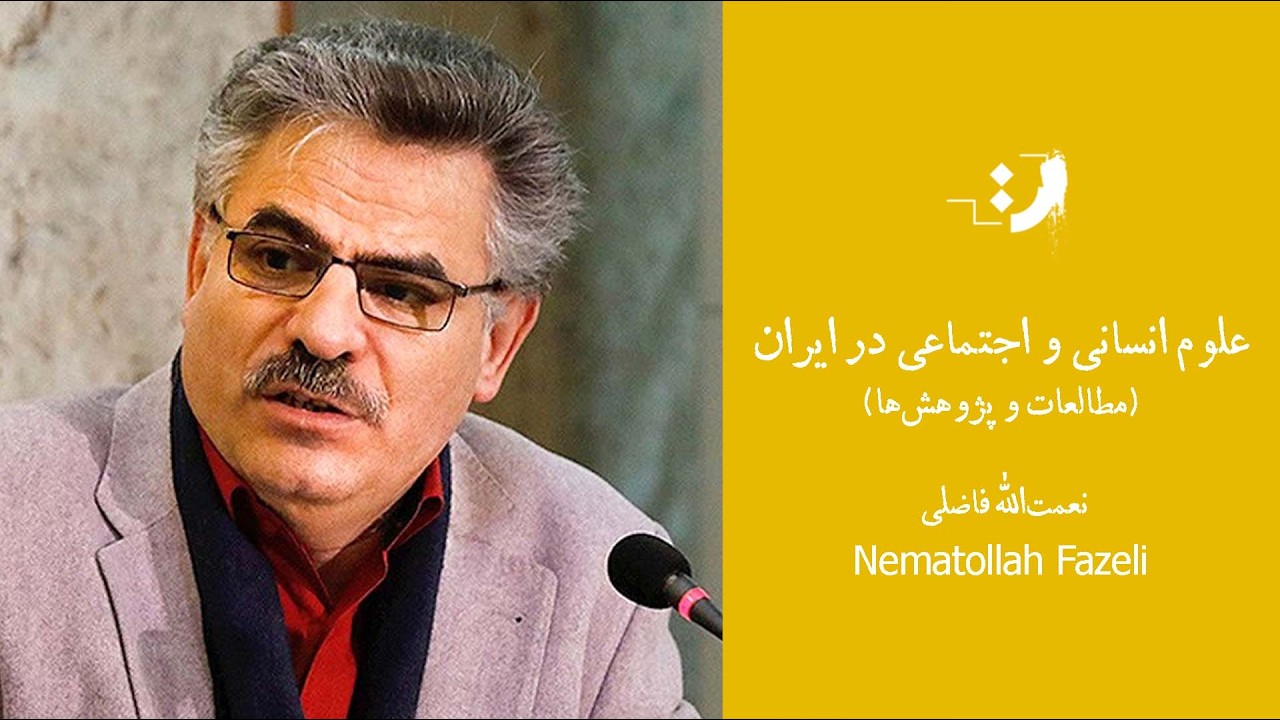
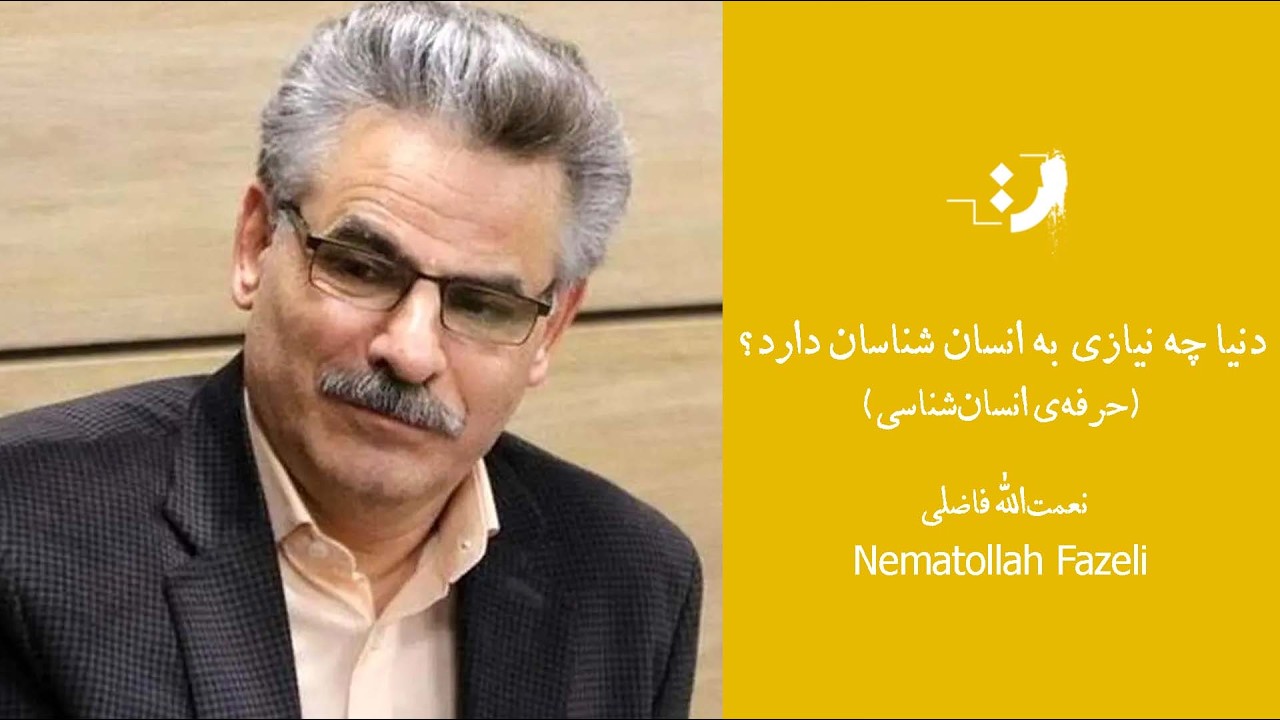
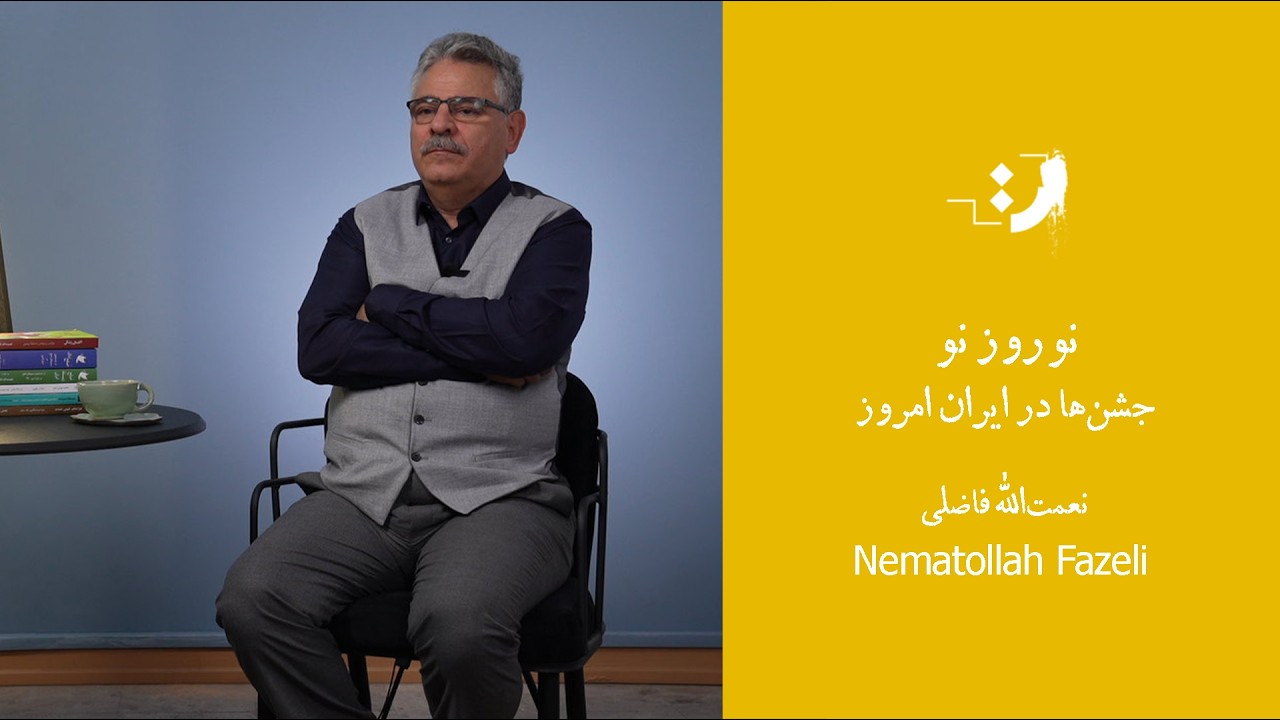
Nematollah Fazeli, born on 23 August 1964 in Mosleh Abad, Arak, is an Iranian anthropologist, author, translator, and cultural researcher. He is known for his interdisciplinary studies of contemporary Iranian society, particularly his ethnographic examinations of modernity, cultural change, education, universities, urban life, media, and everyday experience.
Alongside his academic career, Fazeli has maintained a visible presence in Iran’s public sphere through lectures, scholarly debates, television appearances, newspaper articles, and interviews. His work frequently connects anthropology and cultural studies with sociology, history, education, literature, and the arts.
Education
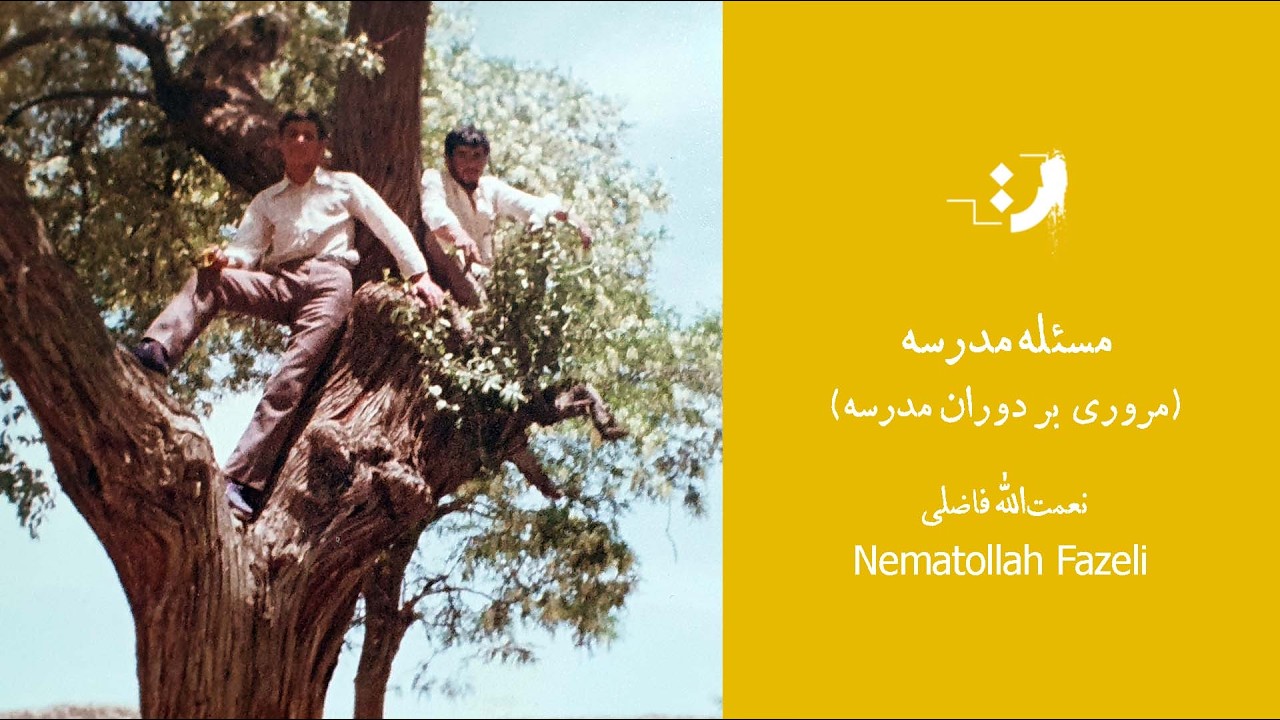
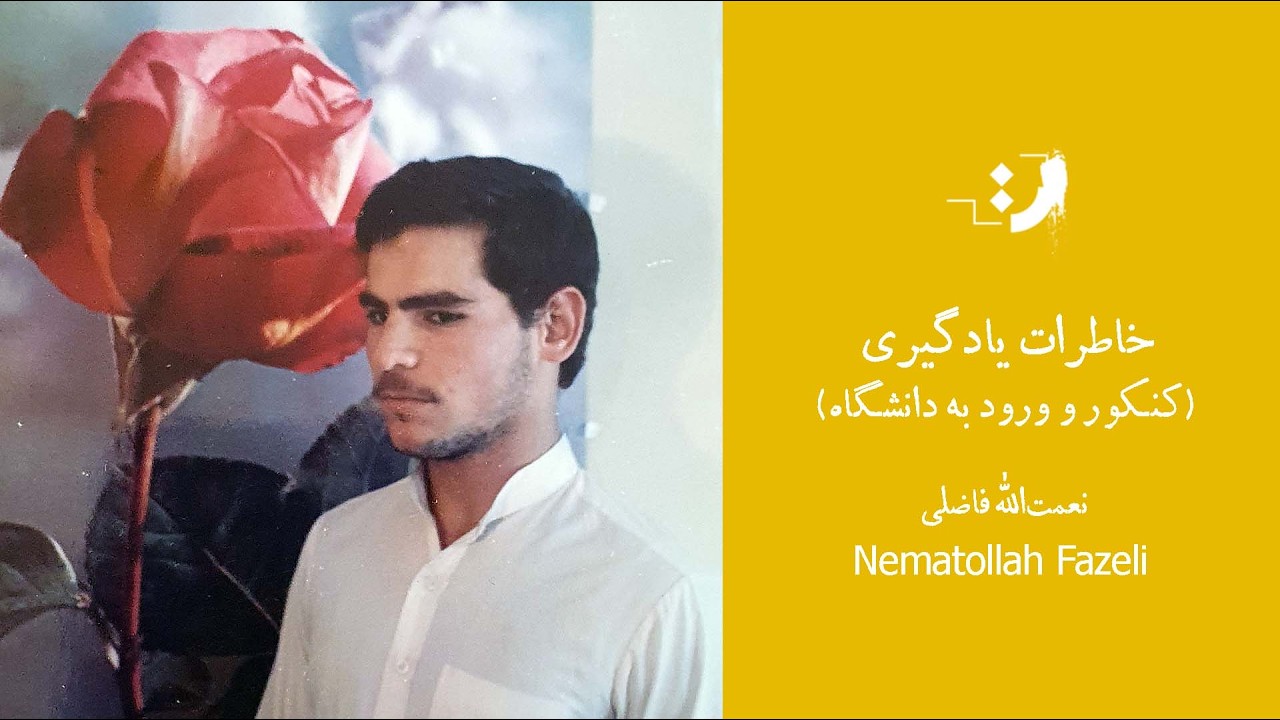
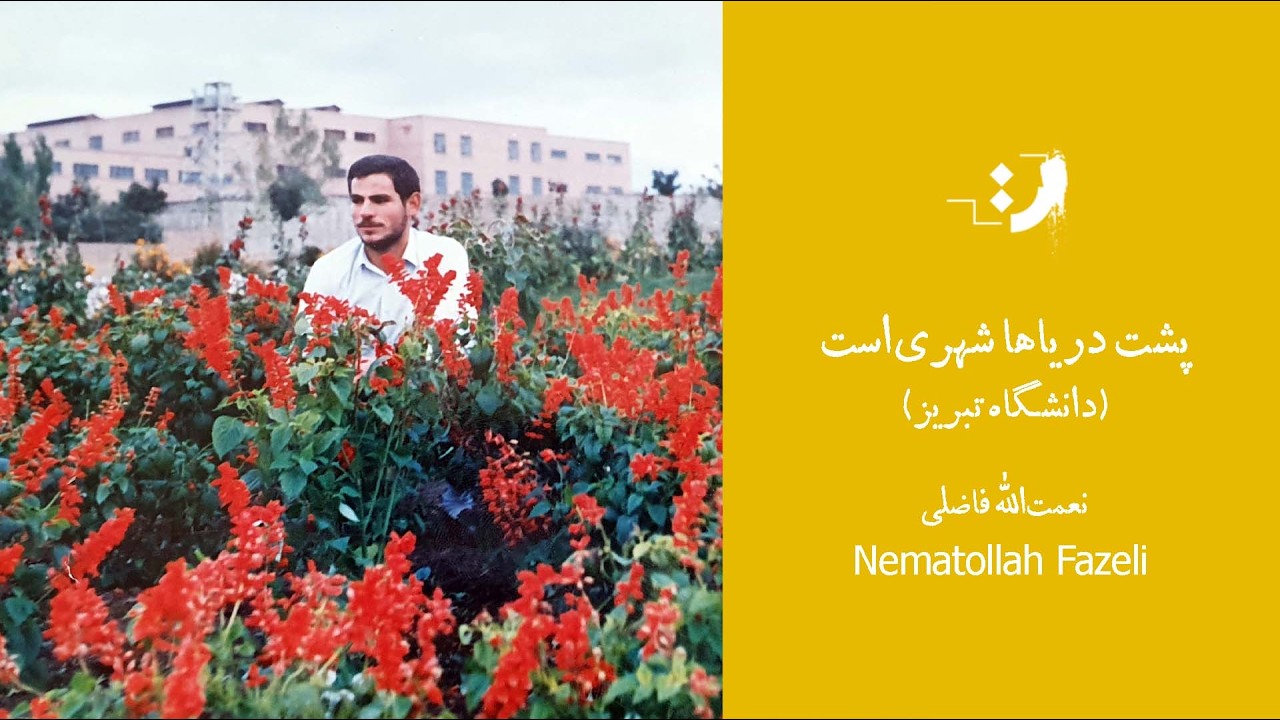
Fazeli completed his primary and secondary education in Mosleh Abad. He earned a bachelor’s degree in social sciences, specializing in social research, from the University of Tabriz and a master’s degree in anthropology and ethnology from the University of Tehran.
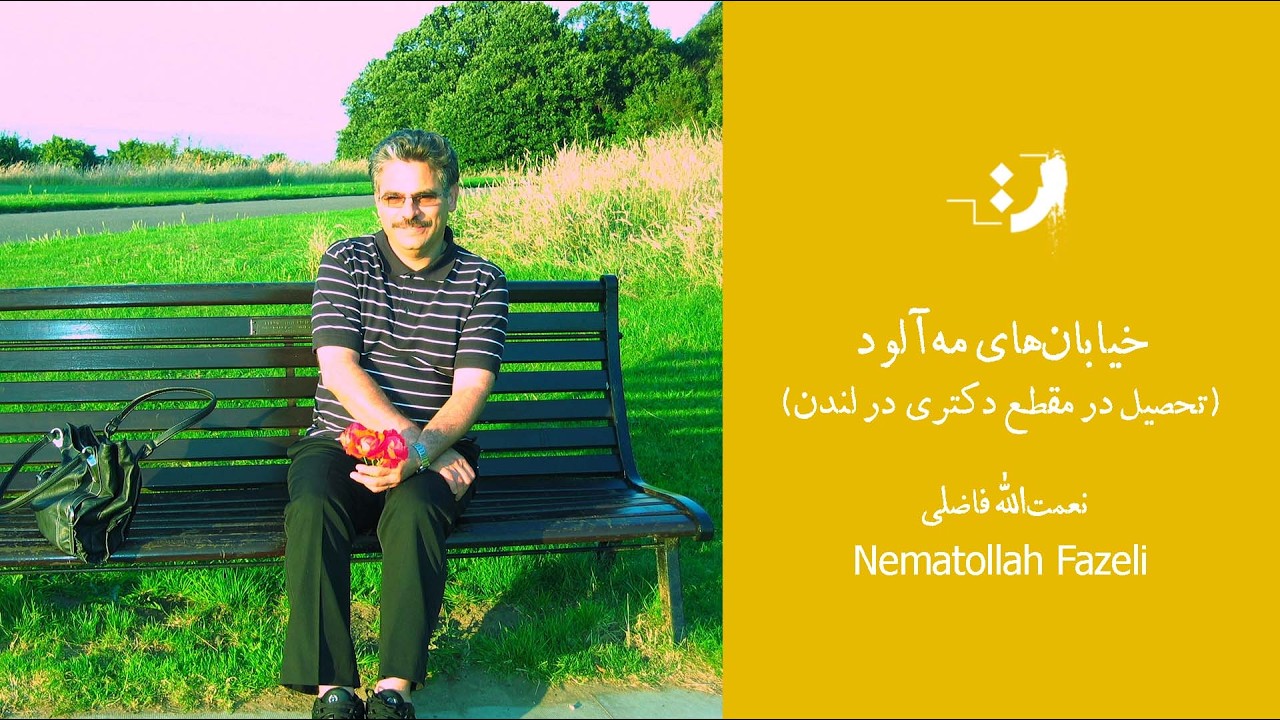
In 2004, he received his PhD in Social Anthropology from the School of Oriental and African Studies, University of London. His doctoral research, titled “The Politics of Culture,” examined the development and teaching of anthropology in Iran and its relationship with the country’s political and social transformations. The study was published by Routledge in 2006 as Politics of Culture in Iran: Anthropology, Politics and Society in the Twentieth Century.
Activities and Works
Fazeli began his academic career in 1991 as an instructor at Kharazmi University, where he taught cultural anthropology and the sociology of art and literature. Between 1995 and 1999, he headed the Center for Fundamental Research at Iran’s Ministry of Culture and Islamic Guidance and helped establish the cultural research journals Nameh-ye Pazhuhesh and Rah-e Danesh.
After completing his doctorate, he returned to Iran and served as Vice President for Research at Allameh Tabataba’i University. He subsequently taught cultural studies, cultural policy, urban cultural planning, and cultural anthropology. In 2012, he joined the Institute for Humanities and Cultural Studies, where he later headed the Institute for Social Studies. He has also been affiliated with SOAS and the Faculty of World Studies at the University of Tehran.
His principal fields of research include:
Contemporary Iranian culture and society
Iranian modernity and cultural modernization
Higher education, science, and university studies
Urban studies and everyday life
Cultural policy and media studies
Cultural history
Sociology of art and literature
Ethnographic studies of Iran and Britain
Fazeli has written more than one hundred scholarly articles as well as numerous essays and newspaper editorials. His major books include:
Politics of Culture in Iran
The Experience of Modernity
Modernization and Contemporization of Iranian Culture
Culture and University
Traveling Ethnographies
Cultural Anthropology
Ethnography of Art
Humanities and Social Sciences in Iran
Ethnography of Modernity
Educational Ethnography
Culture and the City
Beyond the Seas Lies a City
The Cultural History of Modern Iran
Around These Very Streets
His translations include works on culture and development, cultural policy, global culture and media, and Peter Burke’s What Is Cultural History?
Achievements and Awards
Fazeli’s principal achievement is his contribution to the development of cultural anthropology, cultural studies, and ethnographic approaches in Iran. His scholarship has helped establish culture as a central analytical dimension in studies of Iranian modernity, higher education, urban life, media, art, literature, and everyday experience.
The publication of his doctoral research by Routledge in association with the British Academy, his affiliation with SOAS, and his extensive body of books and scholarly articles are among his notable academic accomplishments. His Persian translation of Peter Burke’s What Is Cultural History? also contributed to introducing cultural-history approaches to Persian-speaking scholars. No specific awards are identified in the provided information.