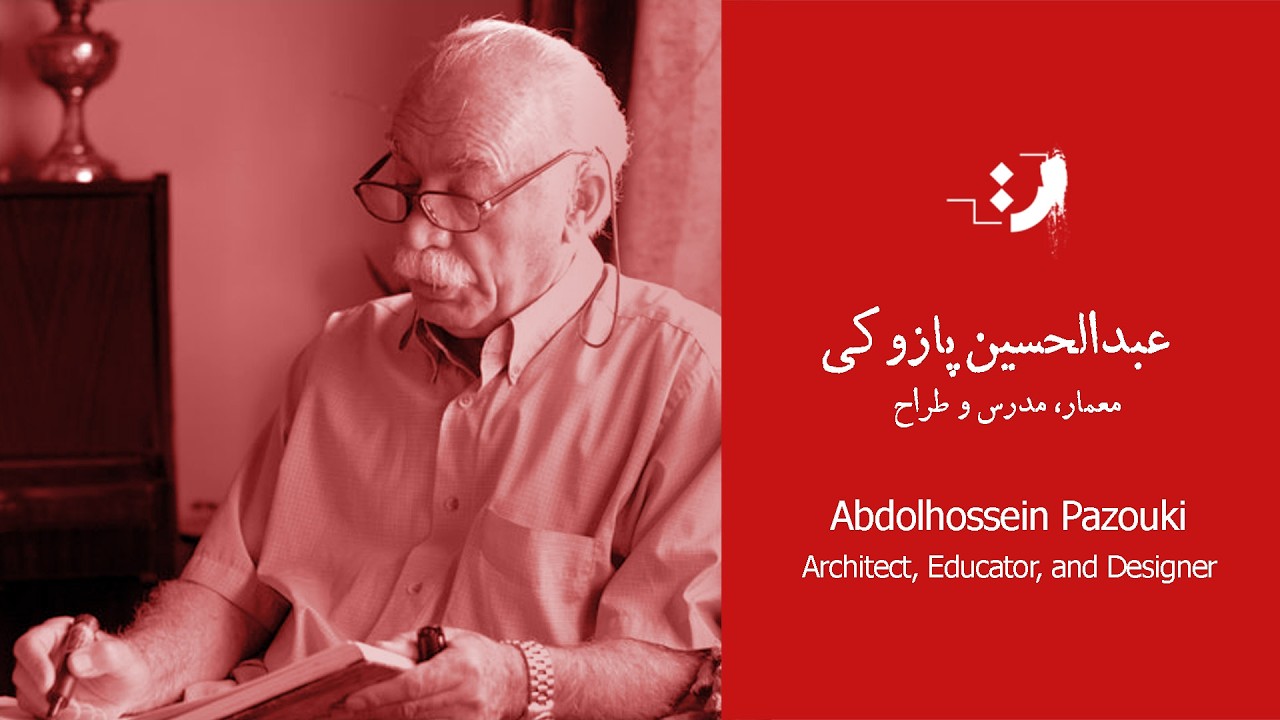
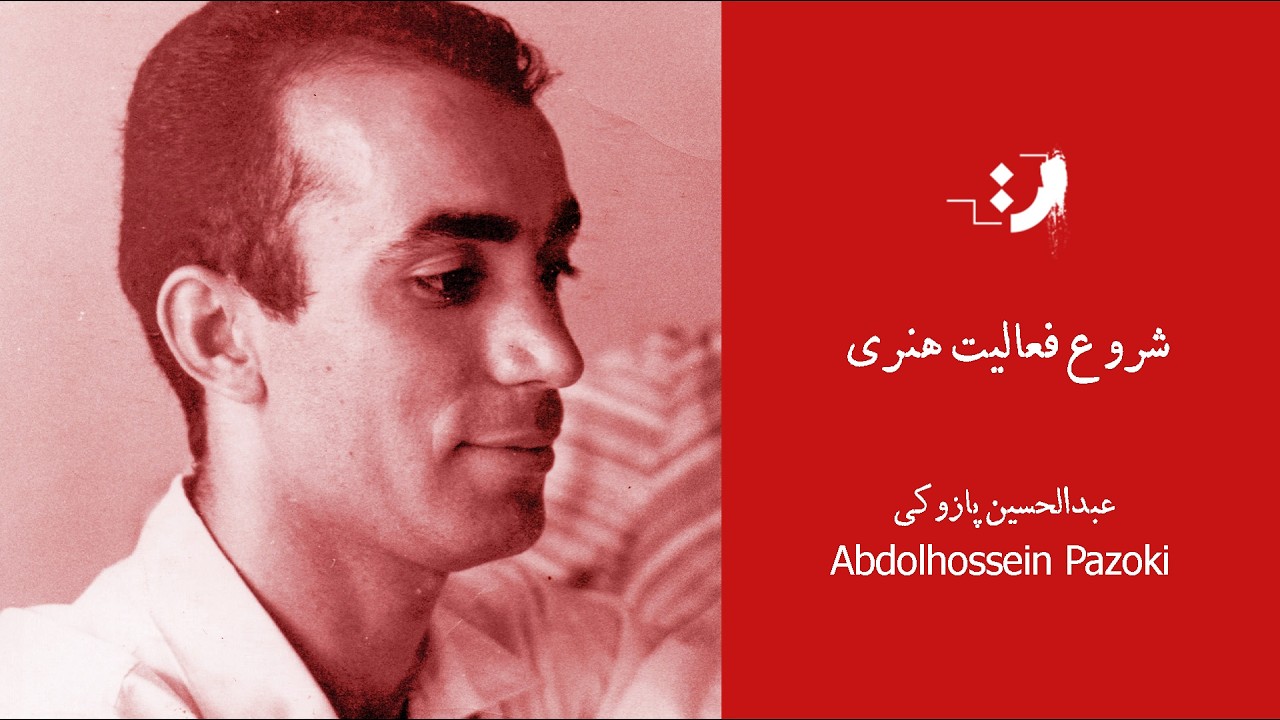
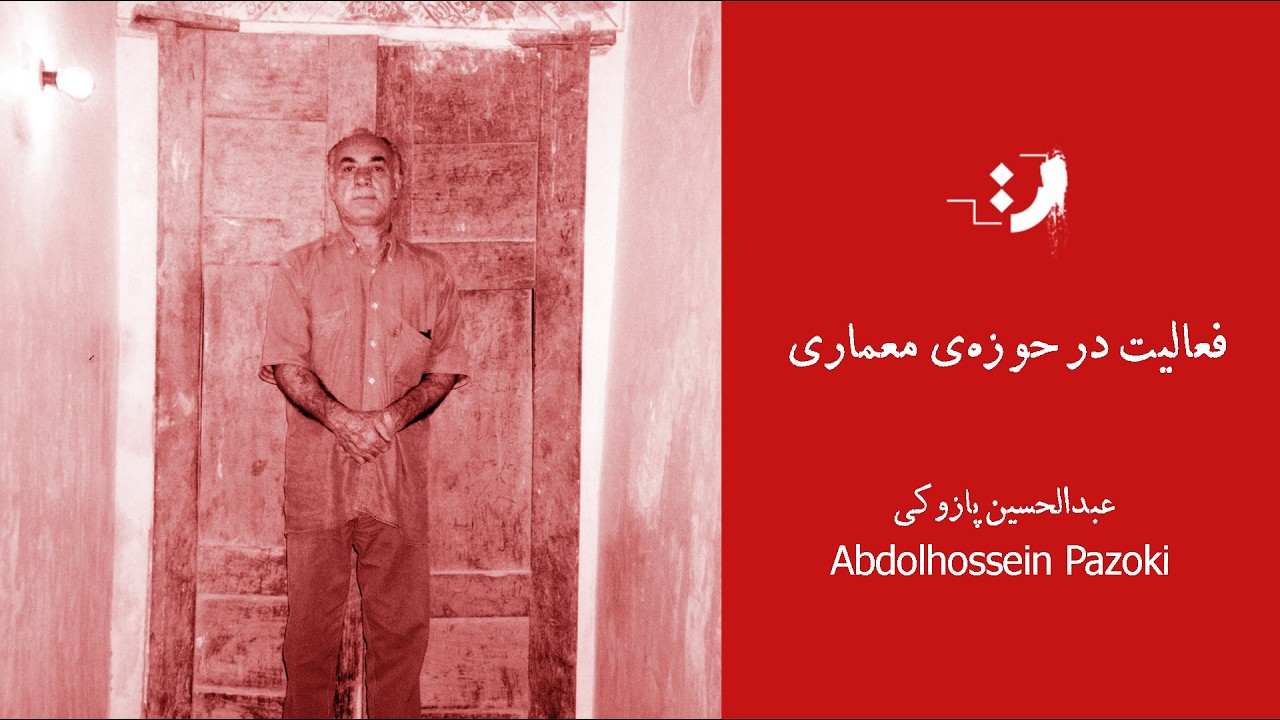
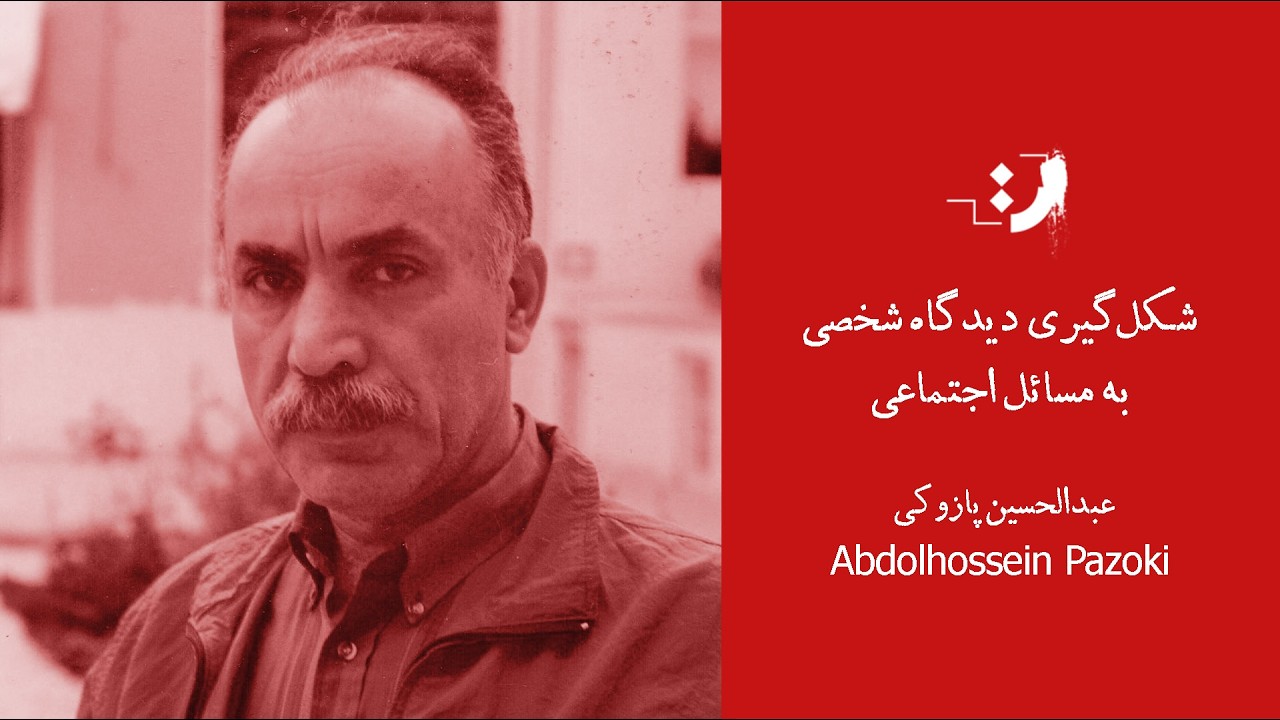
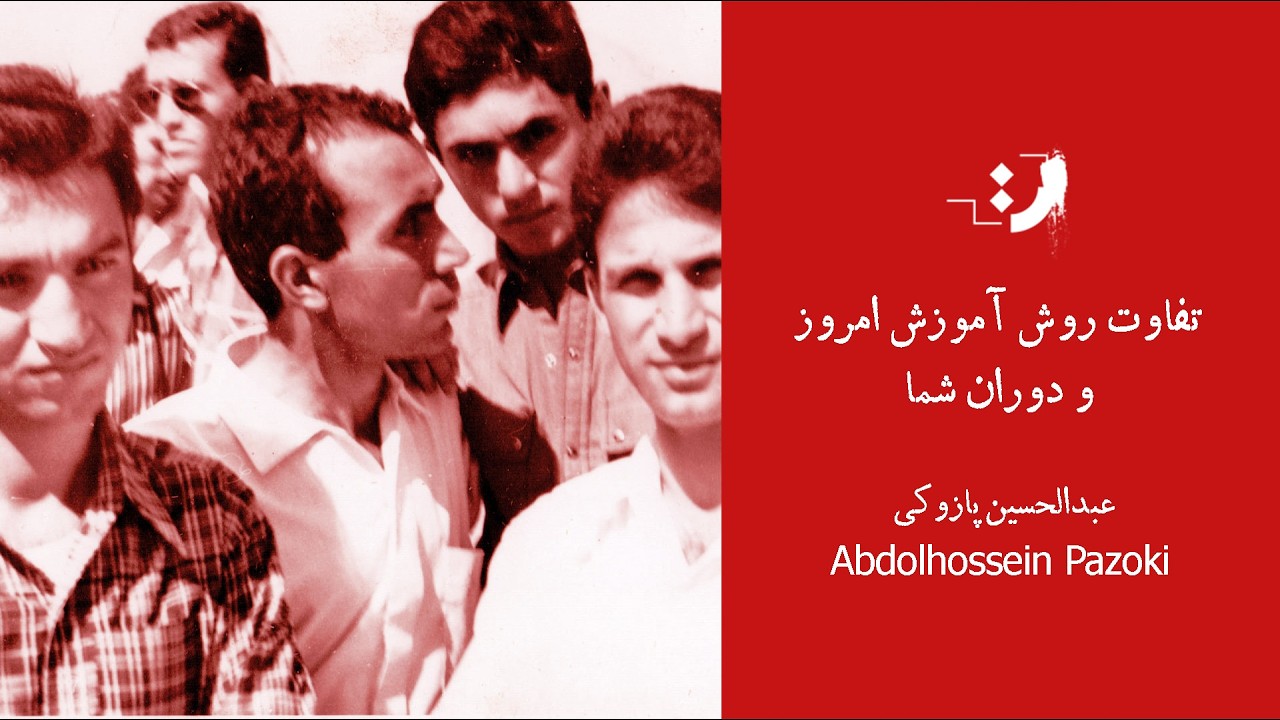
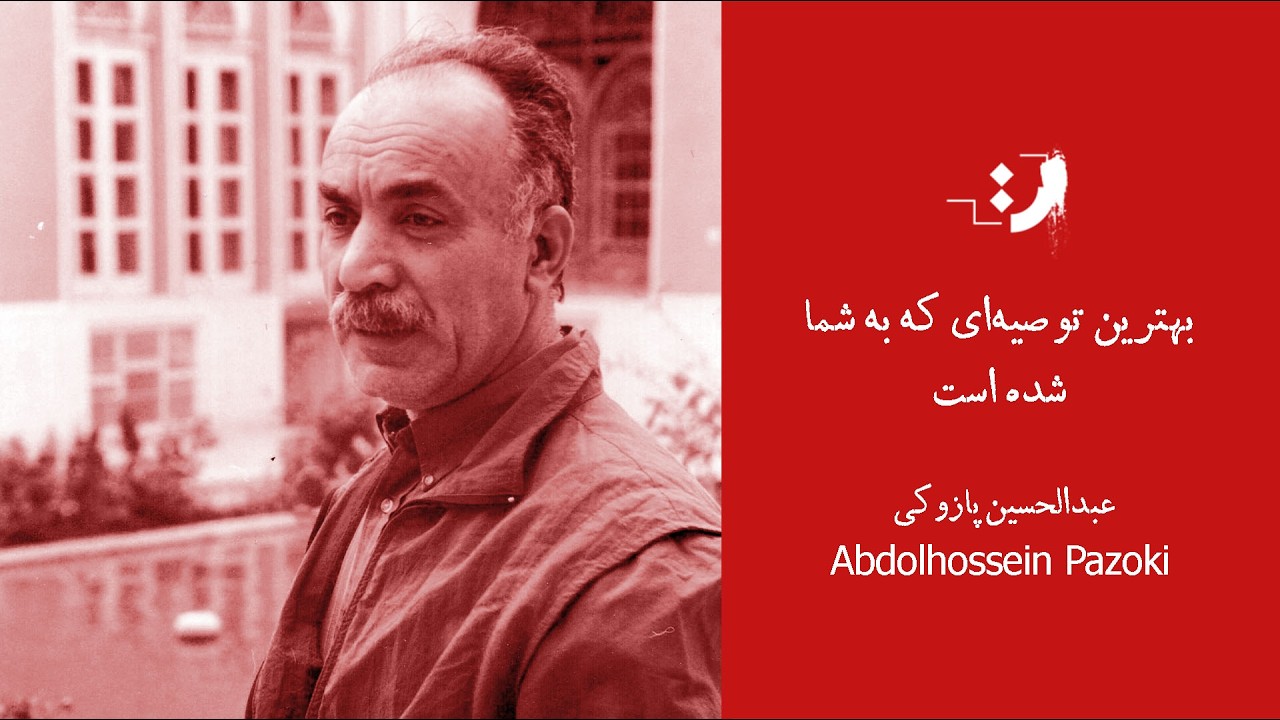
Abdolhossein Pazouki is an Iranian architect, educator, and artist, born in Tehran on August 6, 1942. His father, a first-grade teacher, was known for his fine voice and eloquence, while his mother was a strict homemaker. Following his father’s death in May 1957, Pazouki became responsible for supporting his family at the age of fourteen. He consequently began working while attending night school.
He eventually left formal schooling, regarding the people and everyday life of the city as his true school and university. He first worked as a newspaper vendor and later as an office attendant at Techno Frico Consulting Engineers. While employed there, he learned technical drawing and gradually became an assistant draftsman. This experience introduced him to the country’s academic institutions and prepared the way for his university education.
Education
During the 1963–1964 academic year, Pazouki entered the Faculty of Decorative Arts. In the same period, he worked with artist and educator Mohammad Ebrahim Jafari to reopen an entrance-examination studio, thereby following his father’s path as a teacher.
Because of financial difficulties and his continuing responsibility for his family, Pazouki later changed his field of study and pursued architecture at the National University of Iran, now known as Shahid Beheshti University.
Activities and Works
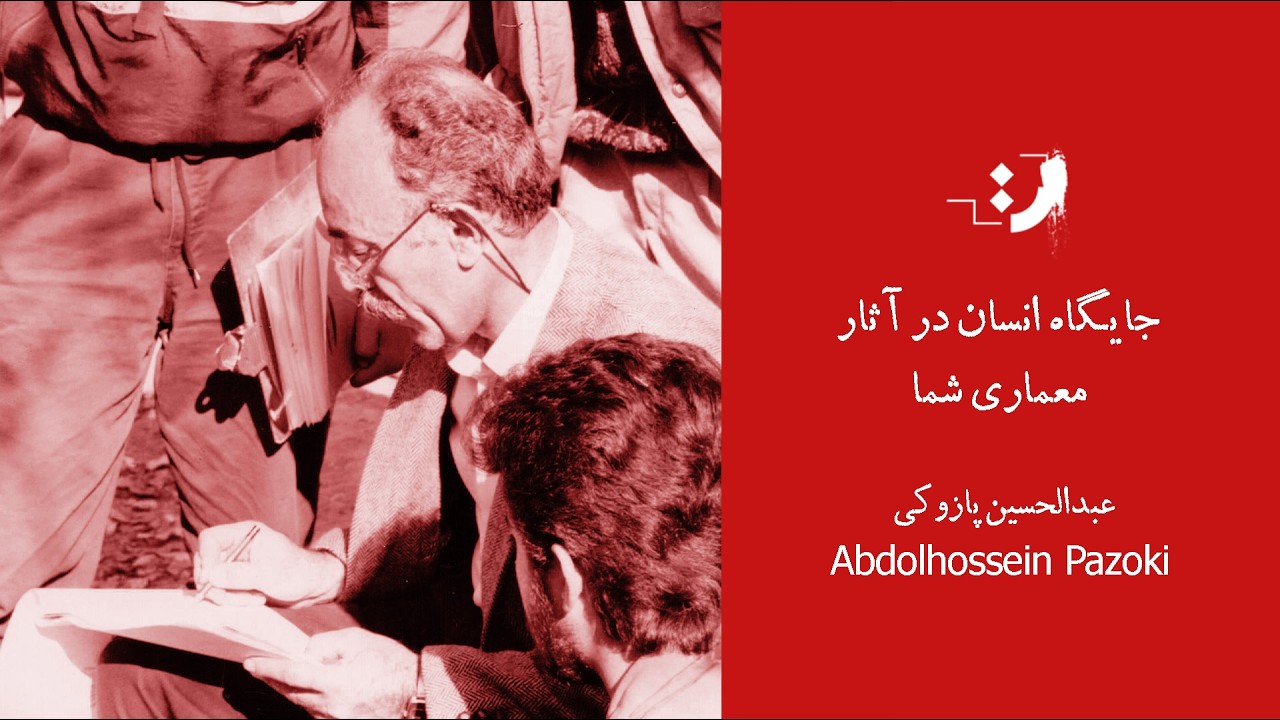
Following his graduation, Pazouki taught architecture at several institutions, including Iran University of Science and Technology, the Iran Institute of Technology, and the National University of Iran. He has also continued his professional architectural activities at Dis Consulting Engineers.
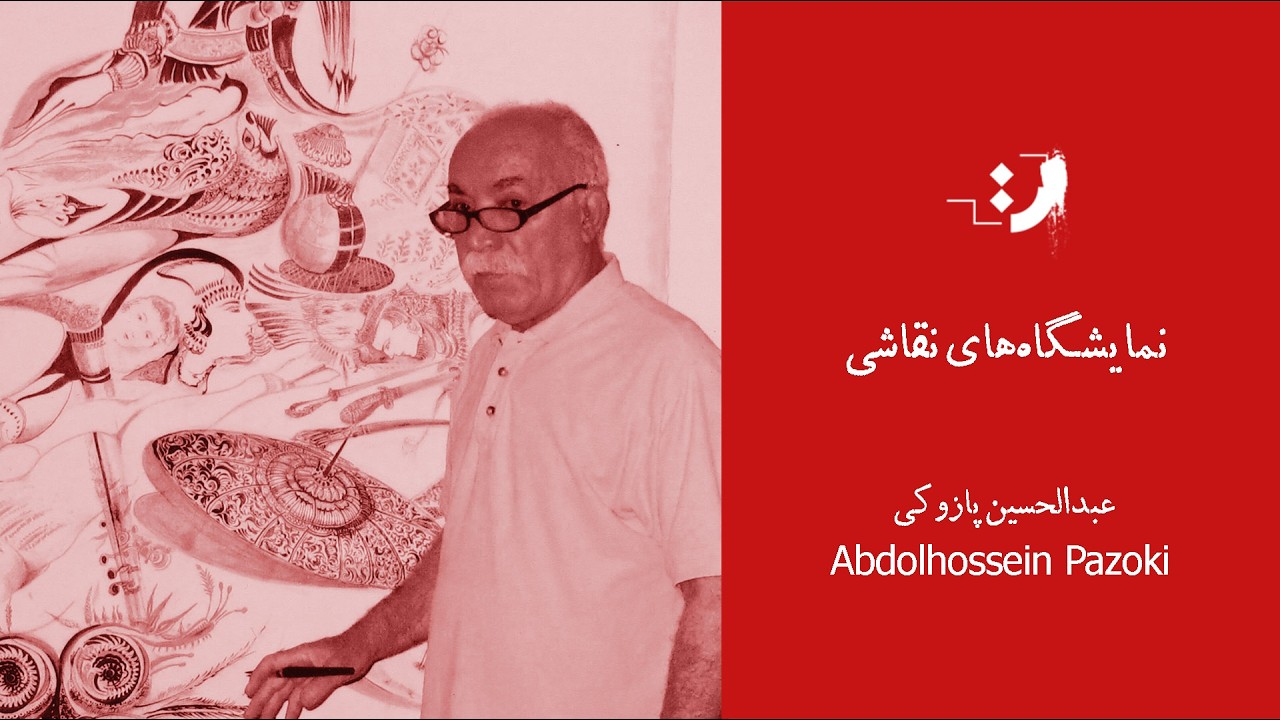
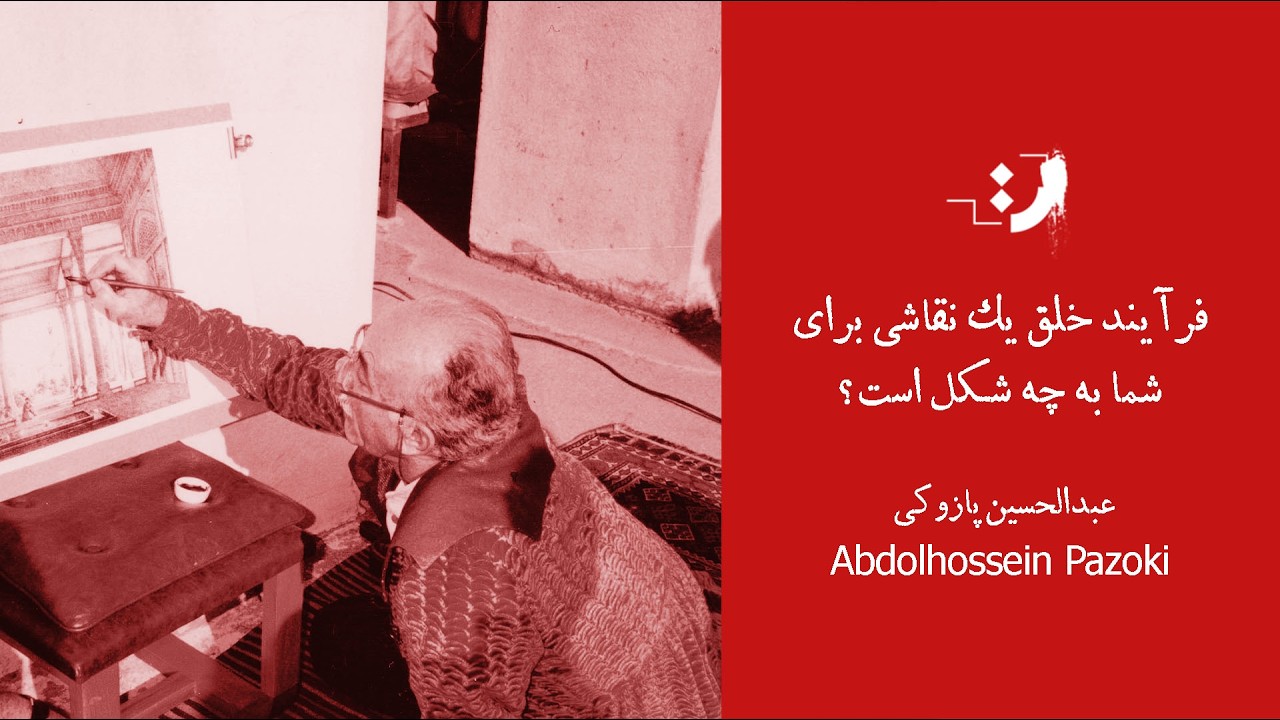
In addition to architecture, Pazouki has maintained a deep interest in painting and woodworking. Numerous exhibitions of his work have been held in Iran and abroad. His experience of immigration did not weaken his connection to his cultural background; instead, it renewed his awareness of the authentic signs and symbols of his homeland. These references are visible throughout his creative process, from the earliest stages of conception to the final execution of his works.
His architectural and artistic approach is shaped by interconnected ideas of the middle, the center, and the outside. Through lines, joined surfaces, openings, and voids, he connects interior and exterior worlds. Movement and pathways, positive and negative forms, mathematical structures, and a musical sensibility interact throughout his work.
Pazouki’s designs and creative processes also draw upon everyday events and remembered personal experiences. In his view, a completed work can possess the significance of a poem, a story, or a chapter of a book, inviting the viewer into an inner dialogue with the artist. His recent exhibition at Aliha Gallery reflected his state of mind, ideas, emotions, and perceptions emerging from the deeper layers of his experience.
Achievements and Awards
Pazouki’s principal achievements include overcoming the difficult circumstances of his adolescence, learning technical drawing through professional experience, completing his architectural education, teaching at several universities, and sustaining a multifaceted career in architecture, painting, and woodworking.
His exhibitions in Iran and abroad, as well as the development of a distinctive visual and architectural language based on connected surfaces, voids, geometric relationships, and musical qualities, represent significant aspects of his artistic contribution. No specific awards are mentioned in the information provided.