Hassan Hedayat
Hassan Hedayat
23:39
11:15
6:39
7:30
11:36
34:19
35:38
1:30:23
1:04:16
5:44
7:29
23:27
Biography
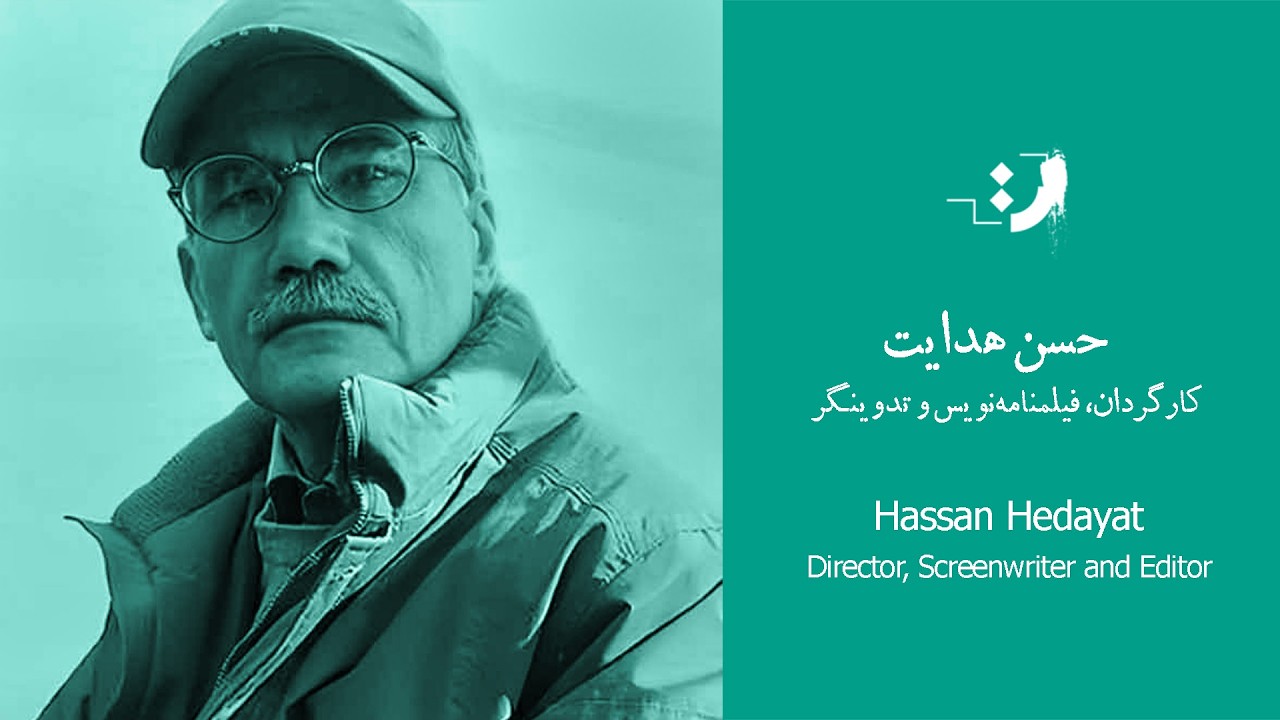
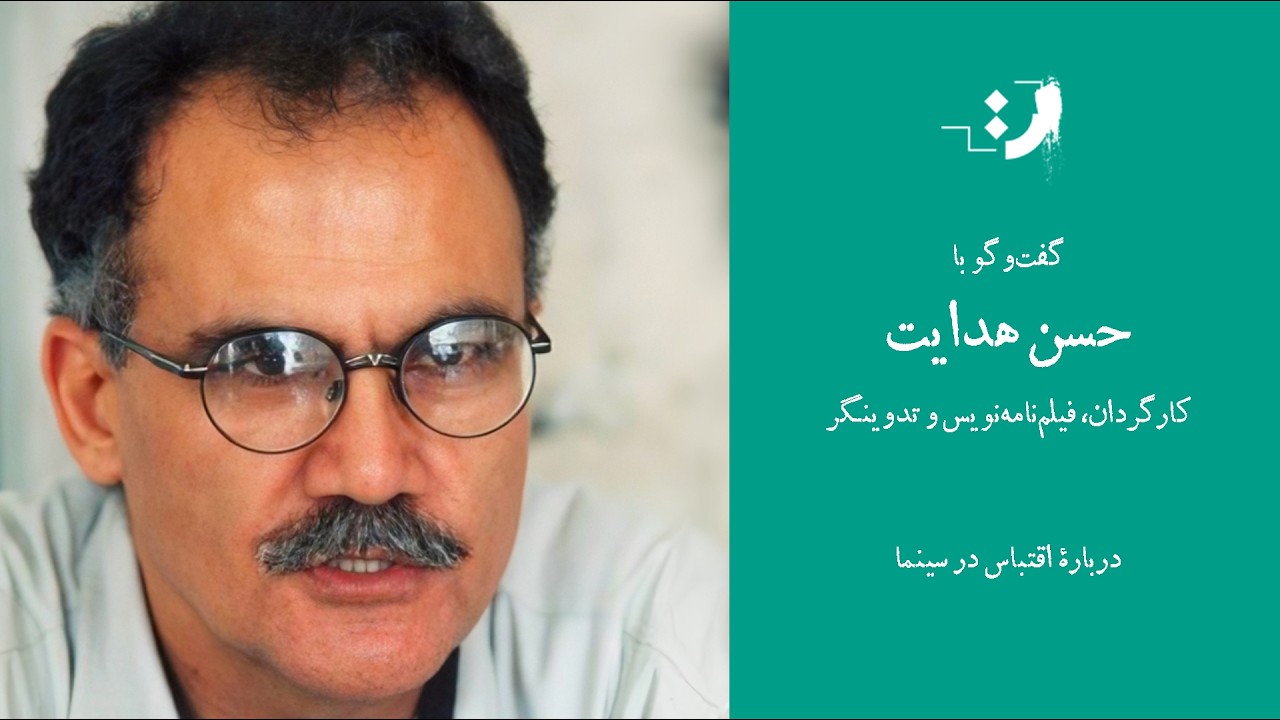
Hassan Hedayat (born 12 October 1955 / 21 Mehr 1334) is an Iranian film producer, director, screenwriter, and film editor. He began his professional career in 1983 with the feature film Payk-e Jangal (The Forest Messenger), serving as its writer, director, and production designer. Throughout his career, he has worked extensively in both cinema and television. Several of his films have been inspired by the works of the renowned Iranian writer Sadegh Hedayat, although he is not related to him.
Education and Early Life
Hassan Hedayat was born in Khash, in southeastern Iran. When he was one year old, his family moved to Kerman because of his father’s government assignments. During elementary school, the family relocated to Torbat-e Heydarieh, where he watched his first film—a Hindi adaptation of the story of Rostam and Sohrab. In the later years of primary school, the family settled in Tehran, living near Firouzeh Cinema on Polis Street. Regular visits to this neighborhood cinema nurtured his lifelong interest in filmmaking.
Activities and Works
Hedayat entered Iranian cinema in 1983 with Payk-e Jangal, launching a career that has encompassed directing, screenwriting, producing, and editing.
Among his notable feature films as director are:
- Payk-e Jangal (1983)
- Fire in Winter (1985)
- Private Party (1986)
- Grand Cinema (1988)
- Gray City (1990)
- The Heroes of Delgosha Alley (1992)
- The Devil’s Eye (1993)
- The Last Harbor (1994)
- A Stranger in the City (1995)
- Light and Shadow (2001)
- Whirlpool (2004)
- One Man, One City (2007)
- The Ungrateful (2009)
He has also written the screenplays for many of his films, worked as a producer and editor, and directed several television series, including Detective Alavi, The Last Chance, The Trial, A Guest, and Detective Alavi 2.
Achievements and Distinctions
- A prominent Iranian filmmaker active since the early 1980s.
- Worked across multiple disciplines, including directing, screenwriting, producing, and editing.
- Notable for adapting and drawing inspiration from works of modern Persian literature, particularly those of Sadegh Hedayat.
- Maintained a sustained presence in both Iranian cinema and television over several decades.

Video Index
Chapters:
From Childhood to Entering the Film Industry
Screenplays and Books
The History of Iranian Cinema Project
Family Life
Film Festivals, Awards, and Current Projects
Film and Television Works – Part I
Film and Television Works – Part II
Professional Experiences and Working Methods
00:02 Challenges at the Beginning of a Professional Career and the Criteria for Choosing Subjects
08:46 Character Development and National Culture in the Works
15:39 The Stages of Filmmaking and Determining When a Film Is Complete
26:29 Internal and External Sources of Inspiration and the Role of Research in Filmmaking
31:05 Have You Ever Had Doubts About Continuing the Narrative While Writing a Screenplay?
34:04 What Does Creating a Cultural and Artistic Work Mean to You?
43:49 Is There a Work You Wish You Had Created Yourself?
52:19 The Greatest Challenge in Your Professional Career
58:26 Your Motivation for Continuing Your Career
01:00:18 Which of Your Works Do You Value Most? Which One Do You Regret Making?
01:02:10 Your Most Enduring Memory from the Past and the Best Advice You Have Ever Received
01:04:15 Who Has Influenced You the Most?
01:12:21 The Evolution of Your Intellectual Outlook Over Time
01:16:00 Relationship with Other Art Forms
01:19:03 On Your Interest in Creating Historically Themed Works
Cinema and Other Arts
00:00 Adaptation in Cinema
09:55 Differences Between Filmmakers of the Earlier and Contemporary Generations
12:10 The Role of Education in Advancing Culture and the Arts
17:09 Imagination and Creativity
20:10 Production Design and Costume Design in Iranian and World Cinema
24:01 Why Are Literary Adaptations Relatively Rare in Iranian Cinema?
35:01 The Primary Mission of Art and the Definition of a Work of Art
38:43 The Concept of “Art for Art’s Sake” and the Relationship Between Art and Ideology
41:54 The State of Screenwriting in Iran
46:40 The Evolution of Iranian Cinema After the Revolution
52:32 On Prestige Cinema, National Cinema, and the Future Outlook of Iranian Cinema
59:27 On Intellectualism and the Social Responsibility of the Artist
01:03:01 Emerging Art Forms, Including Performance Art
Audience and Criticism
00:02 On the Audience and Critical Reception
The World: Past, Present, and Future
00:02 Humanity in the Age of Communication and Cinema in the Digital Era
03:35 The Concept of Personal Identity and the Relationship Between National Culture and Modernism
Personal Worldview
00:02 Life and Happiness
06:23 Unconditional Love
09:05 What Astonishes You Most About the World?
10:27 The Person Closest to You
12:10 Satisfaction with Life, Aspirations, Hopes, and Disappointments
17:36 Do You Intend to Write Your Memoirs?
19:54 Advice for the Younger Generation
21:31 The Arte Project
Personal Information
- Birthday: 12 October 1955
- Birthplace: Khash, Sistan and Baluchestan, Iran
- Interview date: 21.01.2019- 23.01.2019
Producer, director, screenwriter, and film editor