Iraj Eskandari
Iraj Eskandari
28:39
26:12
35:57
8:42
29:21
3:00
33:32
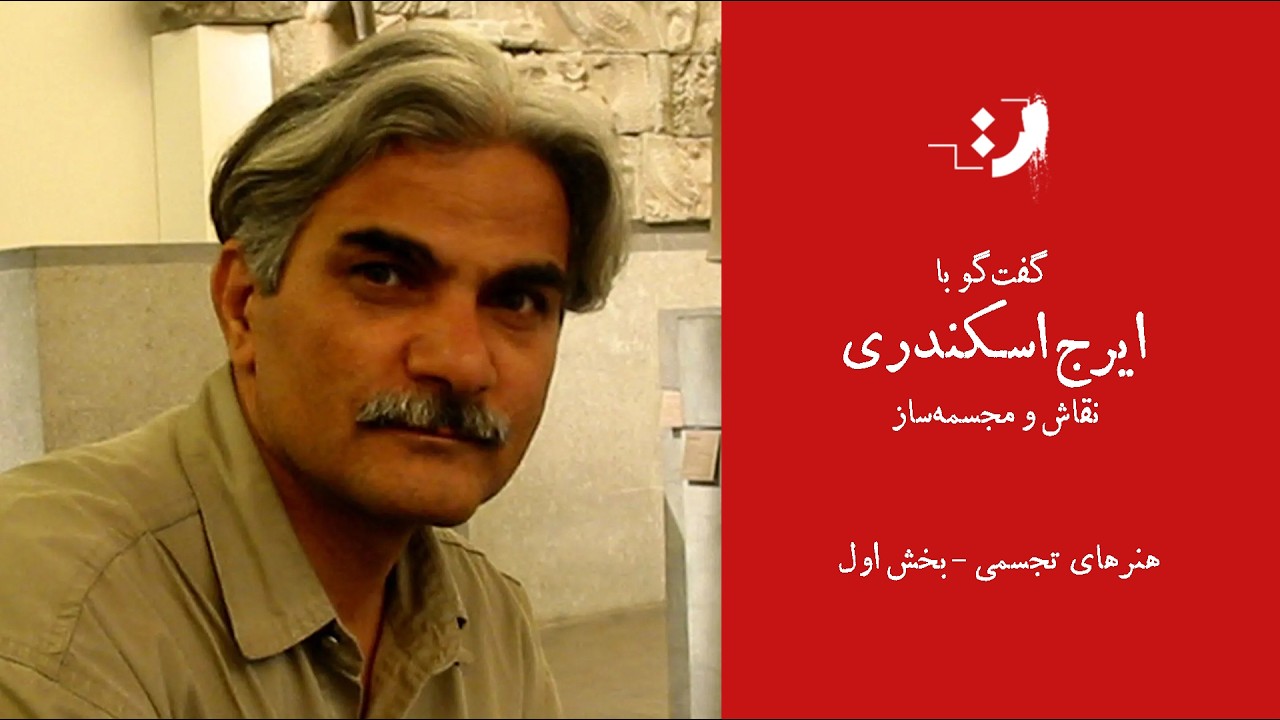
42:14
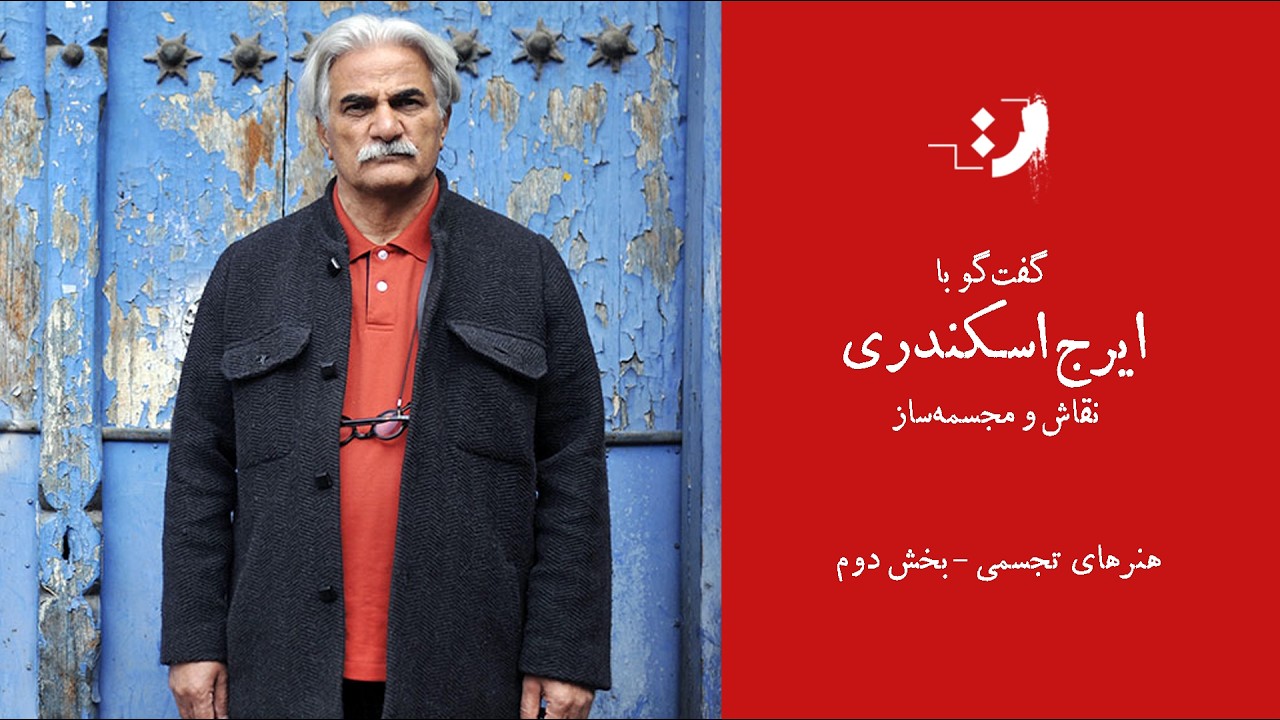
45:44
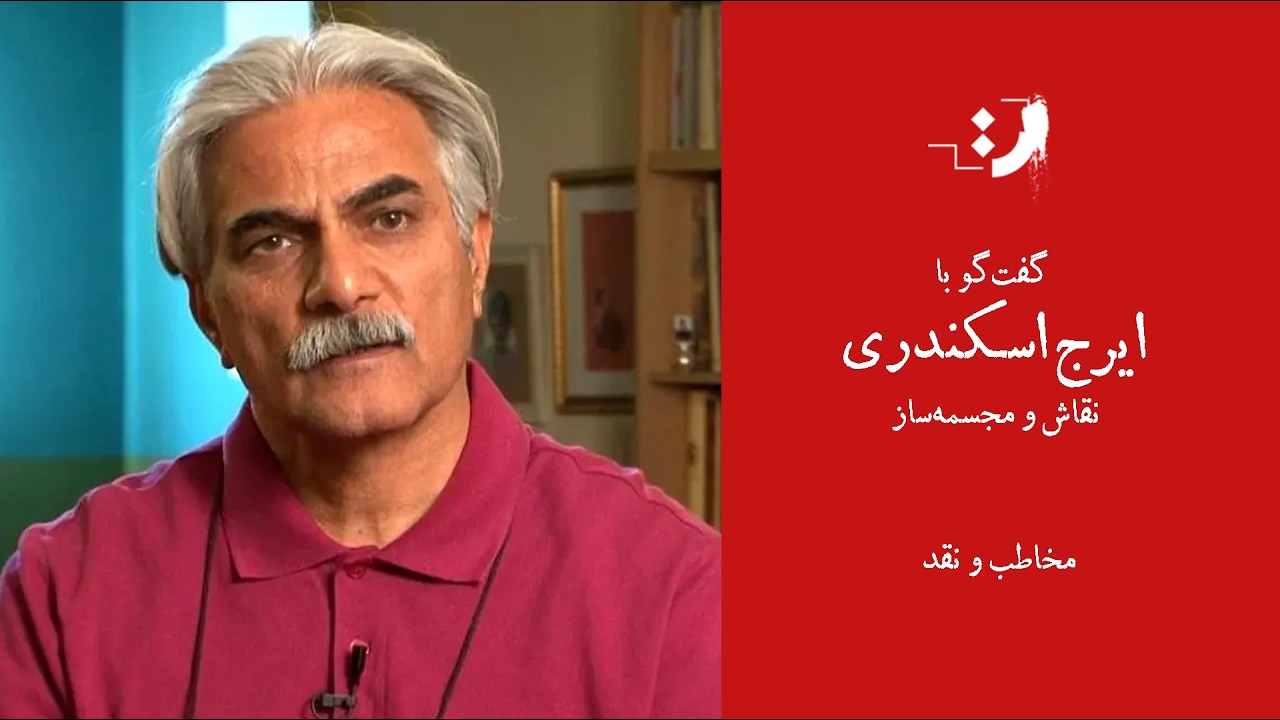
7:10
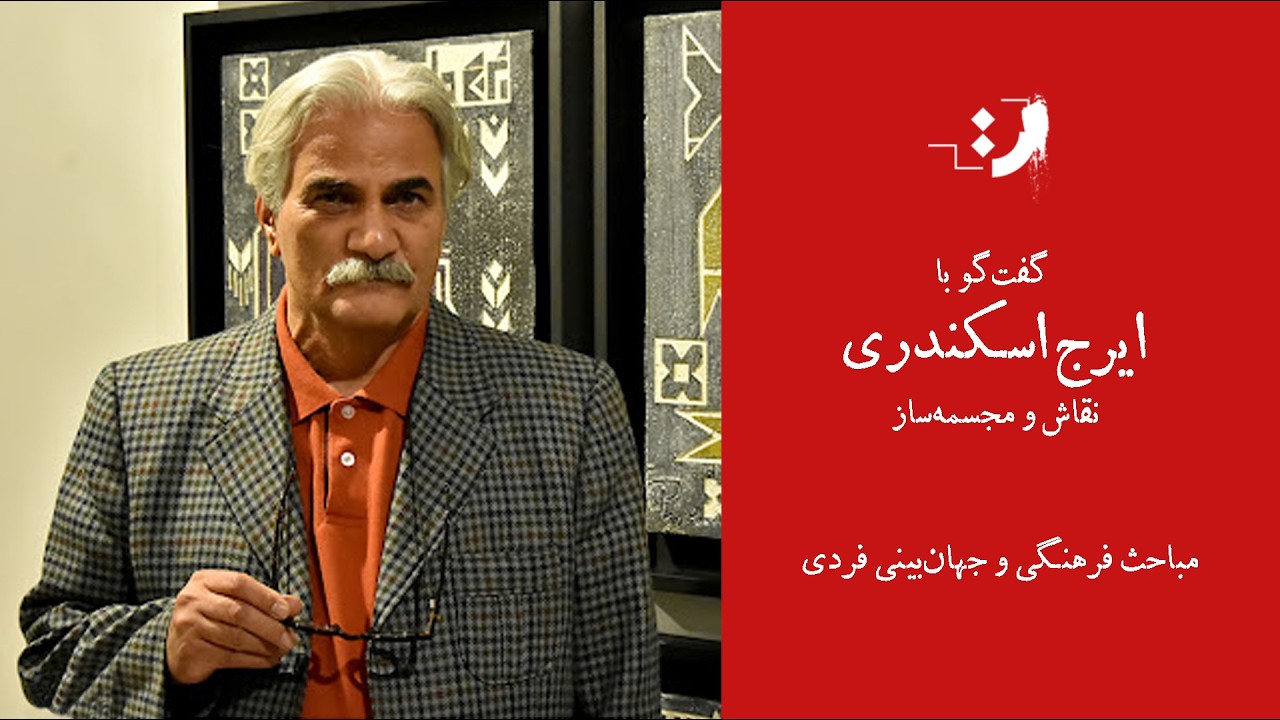
11:44
Biography
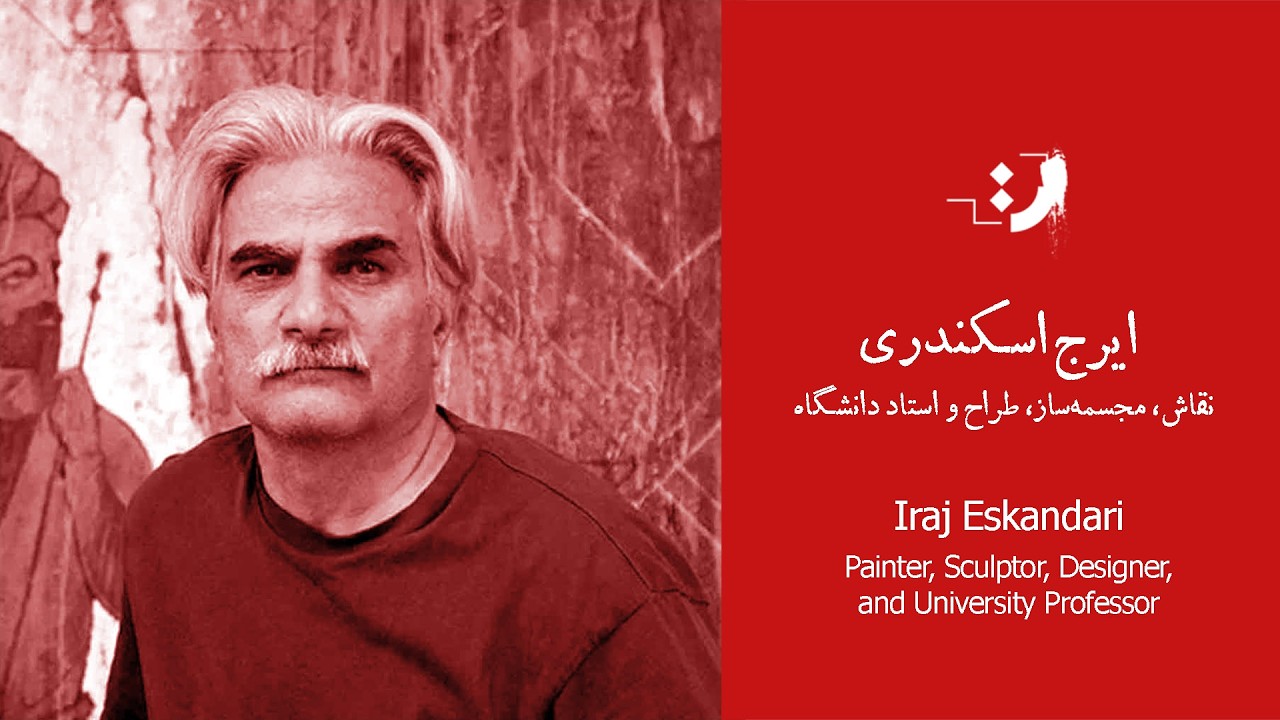
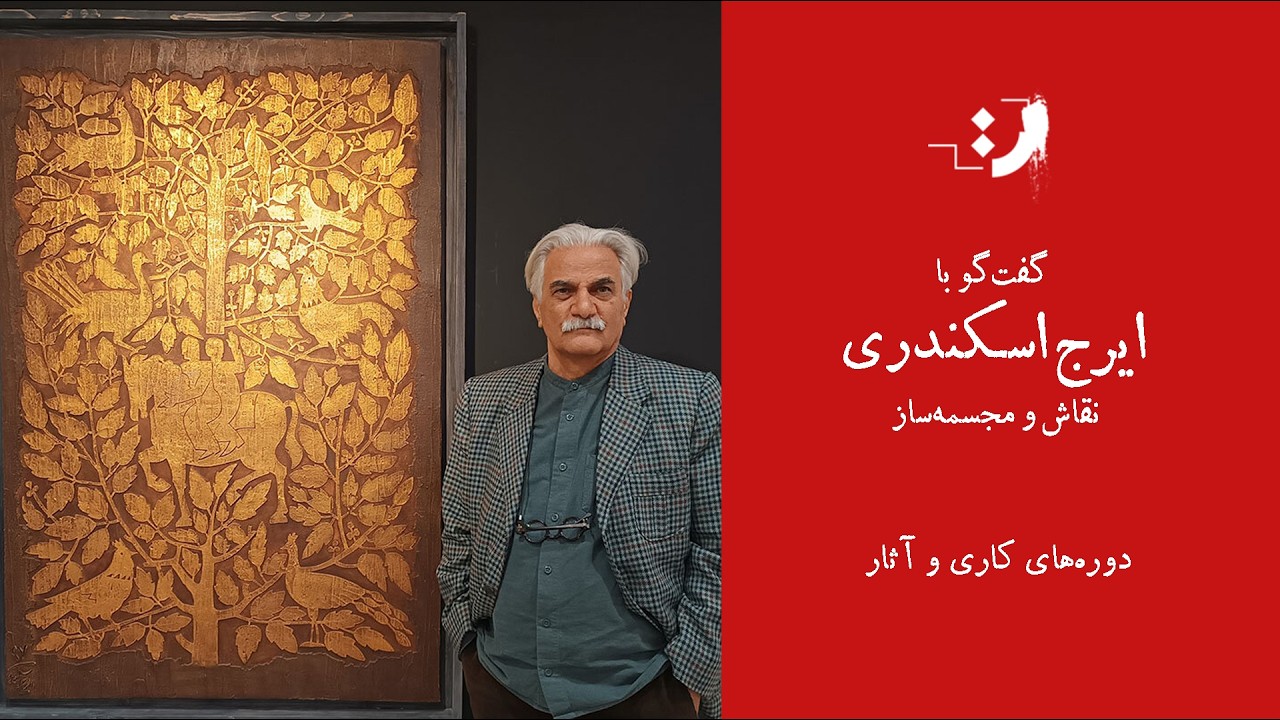
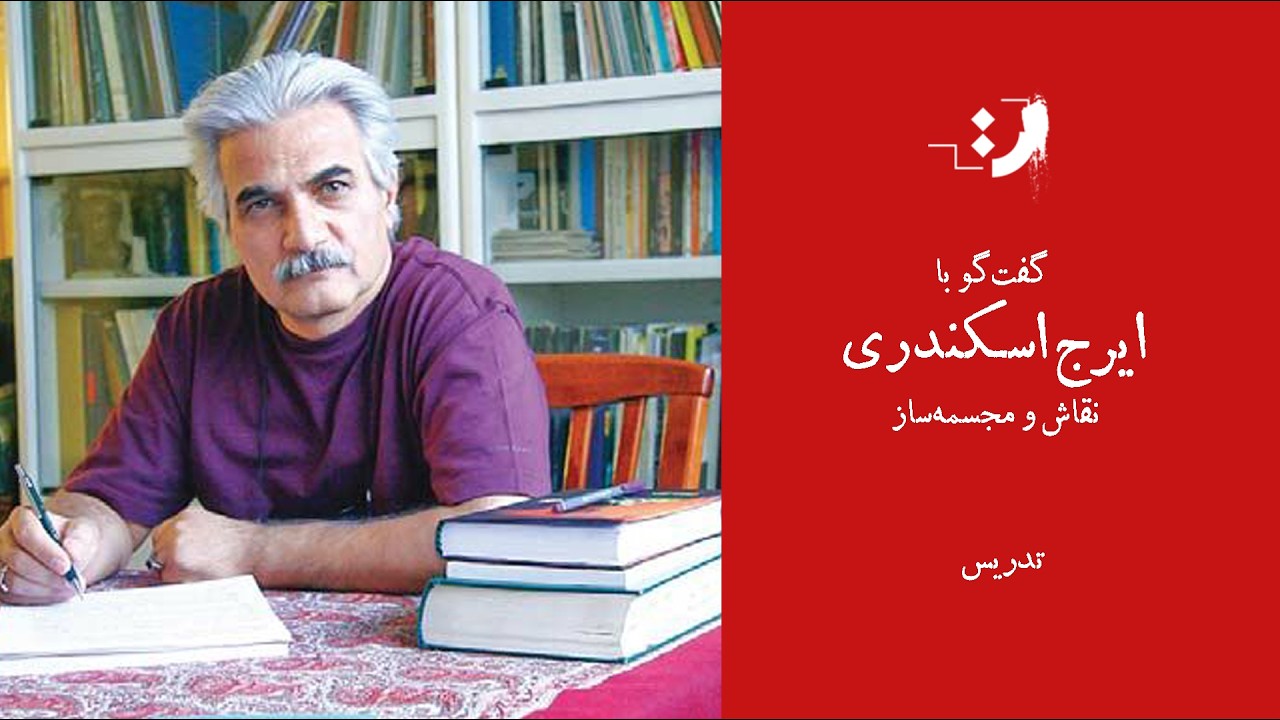
Iraj Eskandari (born 1956 in Kashmar, Iran) is an Iranian painter, sculptor, designer, art researcher, and university professor. He is regarded as one of the prominent figures of contemporary Iranian visual arts, whose career spans painting, sculpture, mural art, graphic design, academic research, and higher education.
Alongside his artistic practice, Eskandari has played an influential role in cultural administration and art education, serving in senior academic positions at the University of Art and participating in the organization and policymaking of numerous national and international art events. His artistic language has evolved from figurative and narrative painting during the early years of the Iranian Revolution toward symbolic, abstract, and minimalist forms inspired by Islamic art, mysticism, geometry, light, and color. Several of his murals and public sculptures have been installed in Iran and abroad.
Education
B.A. in Painting, Faculty of Decorative Arts, 1978
M.A. in Art Research, University of Art, 1995
Ph.D. in Art Research, University of Art, 2005
Activities and Works
Academic and Administrative Career
Eskandari has taught painting, drawing, and art research at Iranian universities for several decades. His academic leadership positions include:
Dean, Faculty of Visual Arts, University of Art
Head of Karaj Campus and Vice President of the University of Art
Dean, Faculty of Applied and Visual Arts
Director of Undergraduate and Graduate Painting Programs, University of Art
Head of the Painting Department, Alzahra University
Cultural and Professional Activities
Throughout his career, Eskandari has held numerous leadership roles in Iran’s major visual arts events, including:
Secretary of the First International Biennial of Painting of the Islamic World
Secretary of the Second and Third Iranian Contemporary Painting Biennials
Secretary of the Iranian Modern Art Movement Exhibition
Secretary of the African Visual Arts Festival
Member of selection committees and policymaking councils for several Iranian Contemporary Painting Biennials
Professional Memberships
Full Member, Iranian Painters Association
Associate Member, Iranian Academy of Arts
Artistic Practice
Eskandari has worked across a wide range of visual arts disciplines, including:
Solo exhibitions at the Tehran Museum of Contemporary Art, Homa Gallery, Nar Gallery, Aria Gallery, and Soureh House
Participation in numerous national and international exhibitions
Design and execution of large-scale murals in Tehran, including Palestine Square and the Azadi Cultural Complex
Design and creation of the marble sculpture The Thinker in Beirut
Designer of the official emblems of Tarbiat Modares University and Yazd University
Illustrator of several children’s books
Artistic Philosophy
Eskandari belongs to the generation of Iranian artists who closely connected visual art with the country’s social and political transformations. He considers the historic Hosseiniyeh Ershad Exhibition a turning point in modern Iranian art, arguing that it brought art beyond gallery spaces and into direct engagement with social justice and public concerns. He also acknowledges Hannibal Alkhas as one of his most influential mentors.
During the early post-revolutionary years, his paintings reflected the tradition of revolutionary and socially committed art. Over time, however, he developed a distinctive visual language characterized by symbolic imagery, fractured lines, geometric compositions, and minimalist spaces. Symbols such as the sun, palm trees, and ghost-like human figures became recurring motifs representing hope, resistance, sacrifice, spirituality, and the human experience of war.
Eskandari believes that the Iran–Iraq War fundamentally redirected the course of Iranian painting, shifting artists away from previous movements such as the Saqqakhaneh School toward visual narratives of collective memory, resistance, and historical experience.
His later Mirror Series exemplifies this evolution by integrating Islamic aesthetics, mirrored surfaces, luminous colors, and geometric structures to express mystical and metaphysical concepts through a contemporary visual language.
As an educator, Eskandari has consistently defended artistic independence, emphasizing that “an artist should receive guidance only from his or her own creativity.”
Achievements and Awards
Retrospective exhibition at the Tehran Museum of Contemporary Art (2014)
His four-panel painting Aql-e Sorkh (The Red Intellect) achieved one of the most remarkable sales at the 2022 Tehran Auction, selling for six times its estimated value.
Creator of several permanent public murals and sculptures installed in Iran and Lebanon.
Works held in public museums and private collections.
Recipient of numerous honors and recognitions at national and international visual arts exhibitions and cultural events.
Video Index
Chapters:
From Childhood to Entering University
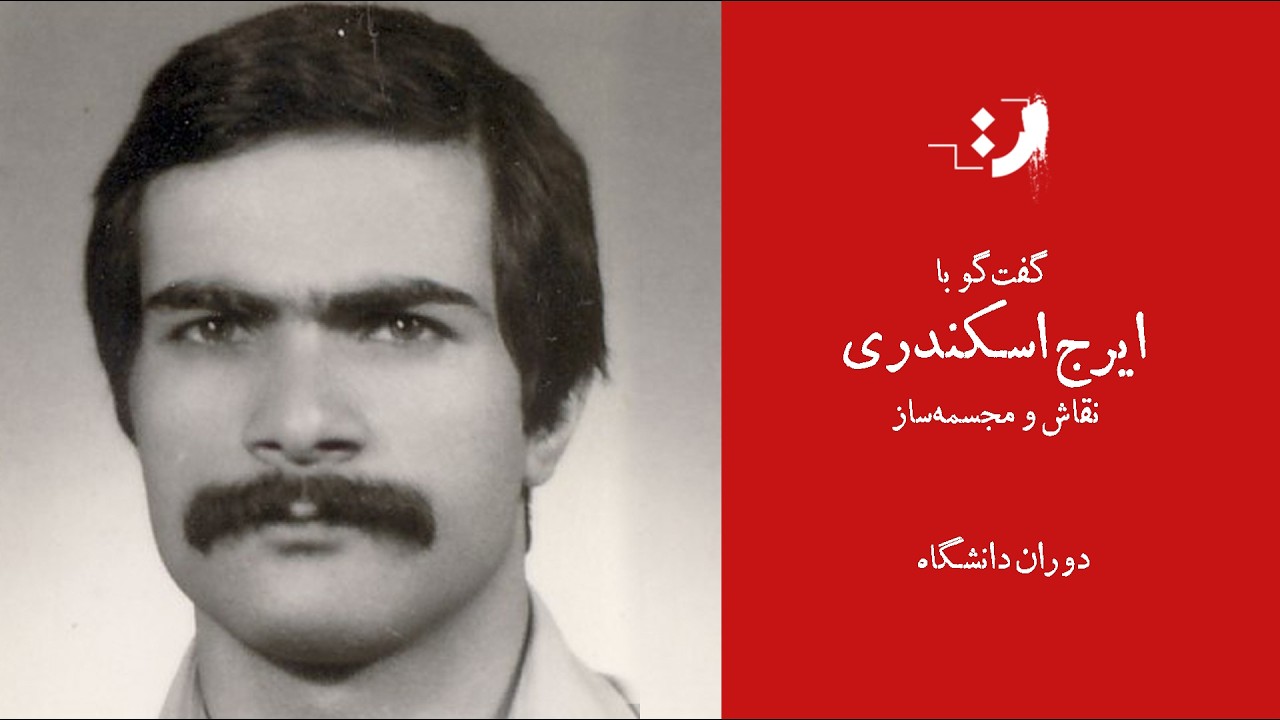
University Years
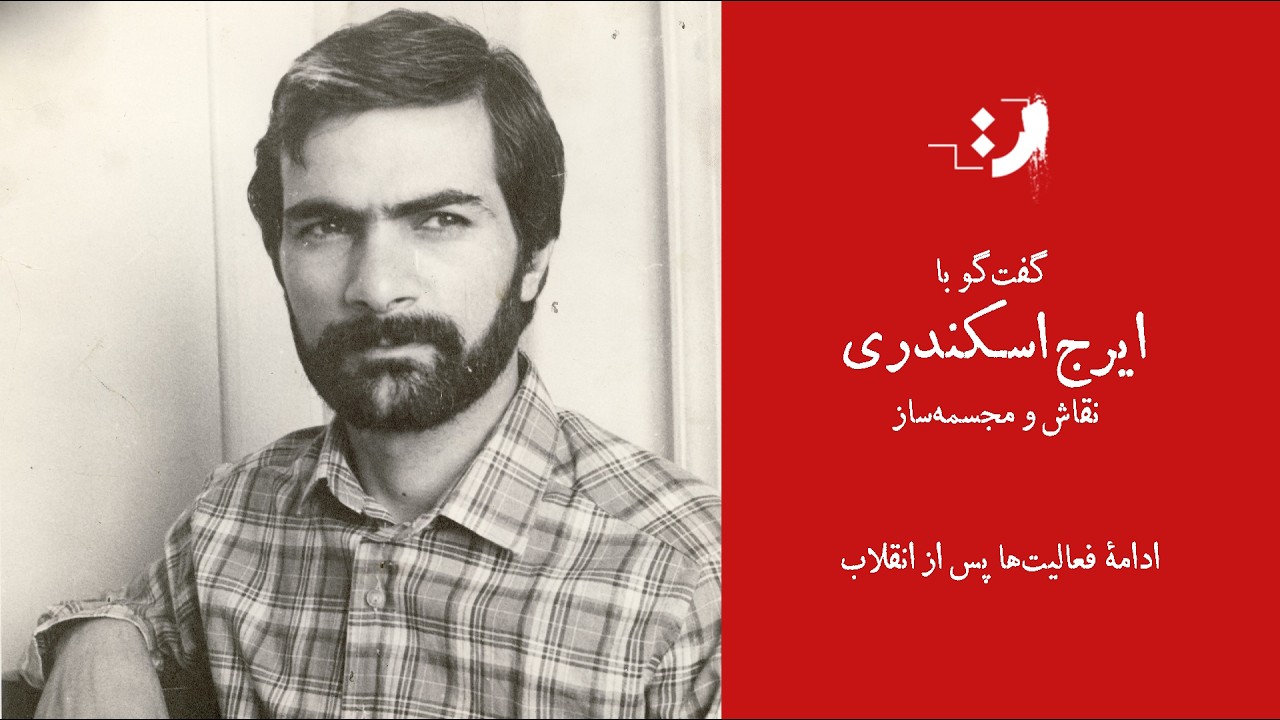
Professional Activities After the Iranian Revolution
00:02 Continuing Professional Activities After the Revolution
23:44 Professional Activities After the Art Bureau Period
33:29 A Memorable Anecdote
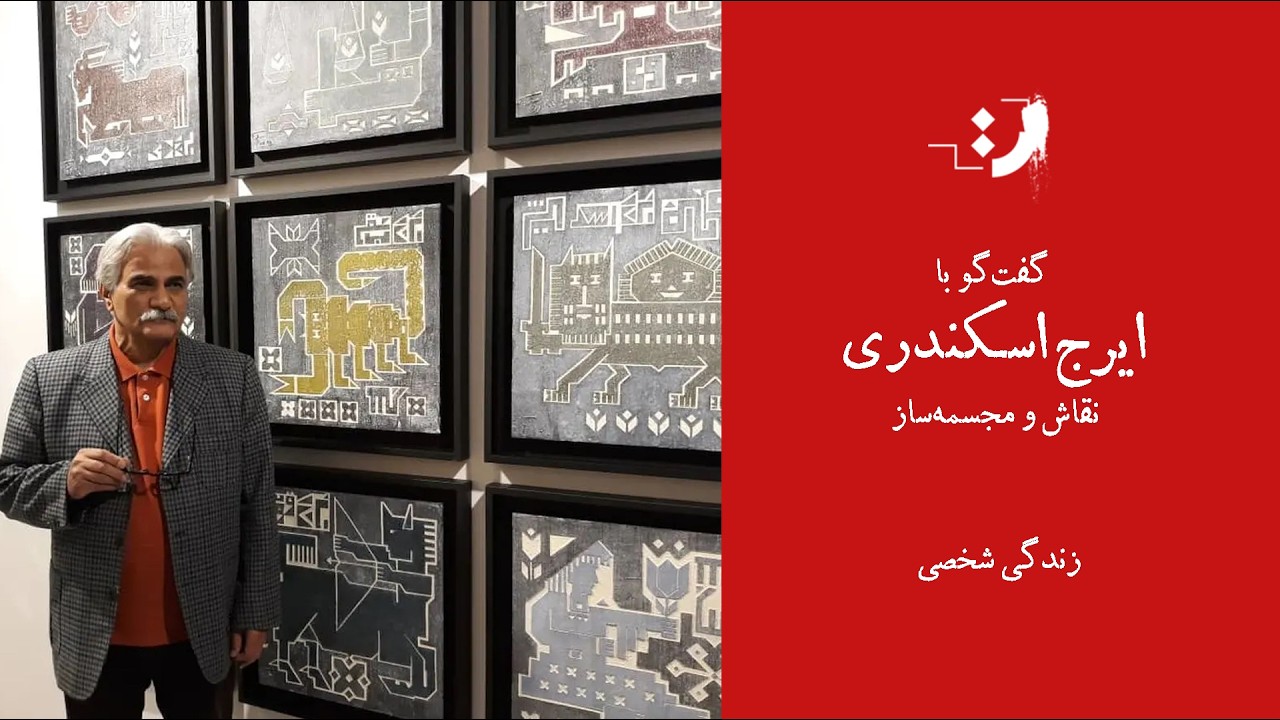
Personal Life
00:02 Family Life
03:34 How Has Your Artistic Career Influenced Your Personal Life?
04:44 Relationship with Other Art Forms
06:55 If You Had Not Become a Painter, What Profession Would You Have Chosen?
Professional Periods and Selected Works
Teaching
Professional Experiences and Working Methods
00:02 The Evolution of Your Views Over Time
10:34 Selecting Subjects for Artistic Work
11:58 The Creative Process: From Conception to Completion
14:49 At What Point Do You Feel an Artwork Is Complete?
15:52 What Is the Best Advice You Have Ever Received?
17:00 Materials and Media Used in Your Works
19:12 What Project Are You Currently Working On?
20:04 Which of Your Works Do You Consider Your Most Significant?
20:52 The Process of Titling Your Works
22:38 What Does the Art of Painting Mean to You Personally?
24:11 Which Artwork by Another Artist Do You Admire Most?
25:20 What Has Been the Greatest Challenge in Your Professional Career?
26:05 What Do You Consider the Key to Your Success?
27:54 Daily Routine
29:47 How Do You Envision the Future of Your Artistic Career?
Visual Arts – Part I
00:02 Differences Between the Current and Previous Generations of Visual Arts Students
04:52 Comparing Academic Art Education in the Past and the Present
09:43 The Place of Drawing Instruction in Academic Visual Arts Education
12:03 A Comparison of Three Generations of Iranian Visual Artists
19:02 Why, Unlike the Timurid Era, Has No Distinct Artistic School Emerged in Iran Since the Revolution?
Visual Arts – Part II
00:02 The Impact of the Revolution, the Iran–Iraq War, and the Establishment of the Art Bureau on the Visual Arts
15:15 Why Has No Internationally Influential Artistic School Emerged in Iranian Visual Arts Over the Past Century?
17:05 On Kamal-ol-Molk
22:48 On Marcos Grigorian and Hannibal Alkhas
27:32 On Sirak Melkonian and Iran Darroudi
30:18 Traditional Art and Modern Art
36:21 The Current State of Painting in Iran
37:41 On the Distance Between the General Public and Visual Artists
41:44 On Tehran Auction
43:41 Do You Believe Artists Have a Social Responsibility?
44:34 The Future of Painting in the Age of the Internet and Digital Arts
Audience and Criticism
00:02 Who Are the Audience for Your Works?
01:31 What Have You Learned from Exhibiting Your Works?
02:20 How Do You Respond to Negative Criticism?
03:56 On Criticism in the Field of Visual Arts
Personal Worldview
00:02 The Relationship Between Modernism, Globalization, and National Identity
06:26 What Amazes You Most About the Contemporary World?
08:05 Hopes and Disappointments
08:56 What Is the Most Important Question You Ask Yourself?
11:06 What Advice Would You Give to Your Students?
Personal Information
- Birthday: 18 October 1945
- Birthplace: Tehran, Tehran, Iran
- Interview date: 21.01.2018- 10.02.2018
Painter, sculptor, designer, art researcher, and university professor